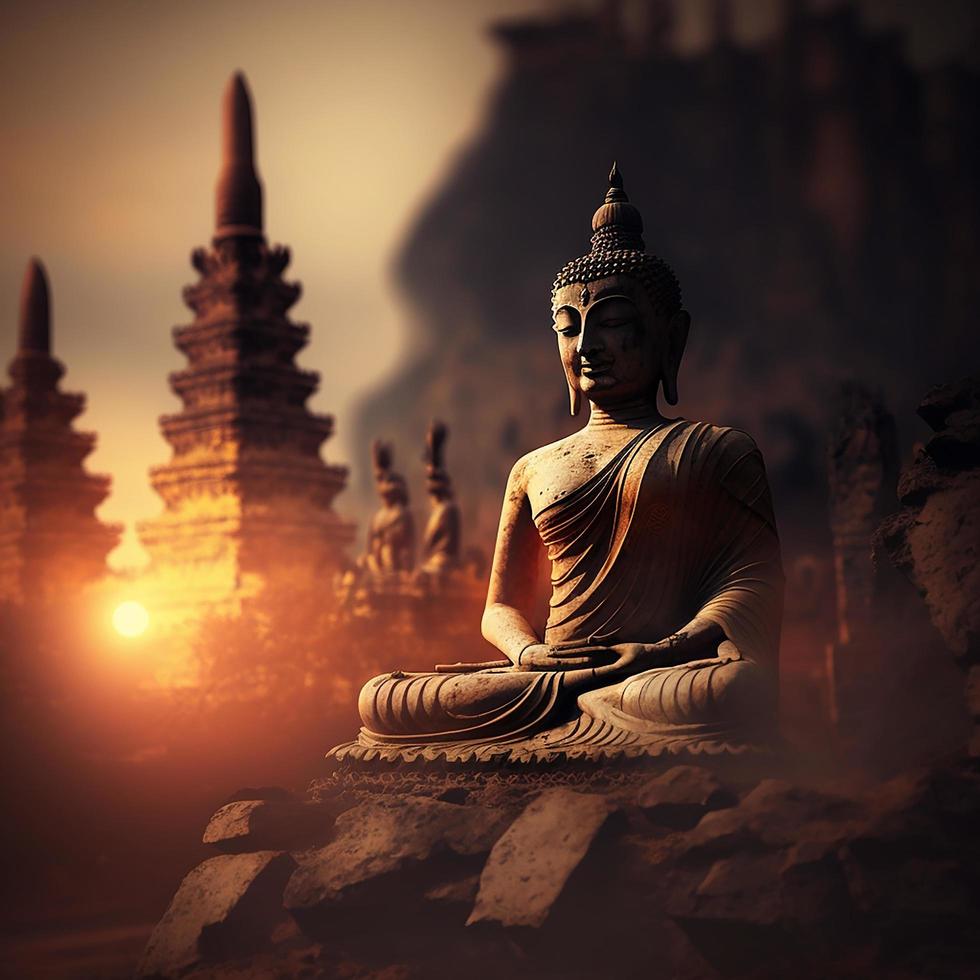
India, the birthplace of Buddhism, is home to countless sacred sites that narrate the story of the Buddha’s life and teachings. Popular Buddhist Destinations in India attract pilgrims, historians, and travelers from across the globe, offering a unique blend of spirituality, history, and cultural richness. From serene monasteries to ancient stupas, these destinations embody the essence of peace and enlightenment.
Bodh Gaya: The Cradle of Enlightenment
- Mahabodhi Temple: A UNESCO World Heritage Site, this temple marks the spot where Siddhartha Gautama attained enlightenment under the Bodhi Tree.
- Bodhi Tree: Descendant of the original tree, revered by millions of pilgrims.
- Great Buddha Statue: A 25-meter tall statue symbolizing serenity and wisdom.
- International Monasteries: Built by countries like Thailand, Japan, and Myanmar, showcasing diverse Buddhist traditions.
Sarnath: The First Sermon
- Dhamek Stupa: Marks the site where Buddha delivered his first sermon on the Four Noble Truths.
- Chaukhandi Stupa: Built to commemorate Buddha’s meeting with his disciples.
- Ashoka Pillar: Featuring the Lion Capital, now India’s national emblem.
- Sarnath Museum: Houses artifacts, sculptures, and relics from the Mauryan and Gupta periods.
Kushinagar: The Mahaparinirvana
- Mahaparinirvana Temple: Houses a reclining Buddha statue, symbolizing his final moments.
- Ramabhar Stupa: Believed to be the cremation site of the Buddha.
- Meditation Park: A serene space for reflection and prayer.
- International Monasteries: Built by Buddhist communities worldwide, enhancing the global appeal of Kushinagar.
Rajgir and Nalanda: Centers of Learning
- Rajgir: Associated with Buddha’s teachings and meditation retreats. The Gridhakuta Hill was a favored spot for his discourses.
- Nalanda University: One of the world’s oldest universities, attracting scholars from across Asia.
- Nalanda Archaeological Museum: Preserves artifacts from the ancient university.
- Vishwa Shanti Stupa: A modern monument symbolizing peace and harmony.
Shravasti: The Land of Miracles
- Jetavana Monastery: Buddha spent 24 rainy seasons here, delivering many sermons.
- Ananda Bodhi Tree: Planted by Buddha’s disciple Ananda.
- Stupas and Ruins: Reflect the grandeur of Shravasti during the Buddhist era.
- Pilgrimage Appeal: A tranquil destination for meditation and spiritual exploration.
Ajanta and Ellora Caves: Artistic Marvels
- Ajanta Caves: Rock-cut caves adorned with murals depicting Jataka tales.
- Ellora Caves: A UNESCO World Heritage Site showcasing Buddhist, Hindu, and Jain art.
- Monastic Complexes: Reflect the architectural brilliance of ancient India.
- Cultural Significance: These caves highlight the fusion of spirituality and artistry.
Tawang Monastery: The Himalayan Beacon
- Location: Arunachal Pradesh, near the Indo-China border.
- Tawang Monastery: The largest monastery in India, second only to Lhasa’s Potala Palace.
- Spiritual Importance: A center for Mahayana Buddhism.
- Scenic Beauty: Surrounded by snow-clad peaks and valleys, offering a serene retreat.
Dharamshala and McLeod Ganj: The Tibetan Connection
- Namgyal Monastery: The personal monastery of the Dalai Lama.
- Tibetan Museum: Showcases Tibetan culture and history.
- Meditation Centers: Offer retreats for spiritual seekers.
- Cultural Fusion: A blend of Indian and Tibetan traditions, making it a vibrant destination.
Other Notable Buddhist Destinations
- Lumbini (Nepal): Though outside India, it is closely linked as Buddha’s birthplace.
- Kalimpong and Darjeeling: Known for monasteries and Himalayan views.
- Sikkim: Home to Rumtek Monastery and other sacred sites.
- Andhra Pradesh: Amaravati and Nagarjunakonda, ancient Buddhist centers.
Festivals and Cultural Experiences
- Buddha Purnima: Celebrates the birth, enlightenment, and death of Buddha.
- Losar: Tibetan New Year celebrated in Himalayan regions.
- Monastic Festivals: Mask dances, prayers, and rituals in monasteries.
- Global Pilgrimage: These festivals attract international visitors, enhancing cultural exchange.
Culinary Tourism in Buddhist Destinations
- Vegetarian Cuisine: Simple, wholesome meals reflecting Buddhist principles.
- Local Delicacies: Momos, thukpa, and herbal teas in Himalayan regions.
- Organic Food: Many monasteries promote organic farming and sustainable practices.
- Community Meals: Shared dining experiences foster unity and compassion.
Emerging Trends in Buddhist Tourism
- Spiritual Retreats: Meditation and yoga centers are gaining popularity.
- Eco-Tourism: Sustainable practices in monasteries and villages.
- Digital Campaigns: SEO-driven promotions highlight Buddhist destinations globally.
- International Collaboration: Monasteries built by global communities enhance cultural diversity.
Accessibility and Infrastructure
- Air Travel: Airports in Patna, Varanasi, and Gorakhpur connect major Buddhist sites.
- Rail Links: Well-connected by Indian Railways to pilgrimage circuits.
- Road Connectivity: Highways link destinations across Bihar, Uttar Pradesh, and Maharashtra.
- Tourism Infrastructure: Hotels, guesthouses, and monasteries cater to diverse travelers.
Why Popular Buddhist Destinations in India Stand Out
- Historical Significance: Sites linked directly to Buddha’s life and teachings.
- Spiritual Appeal: Centers for meditation, prayer, and enlightenment.
- Cultural Diversity: Monasteries built by global communities enrich the experience.
- Global Recognition: UNESCO sites and international pilgrimages highlight their importance.
Sample Itinerary: 12 Days Exploring Buddhist Destinations
- Day 1–2: Bodh Gaya (Mahabodhi Temple, Bodhi Tree, monasteries).
- Day 3–4: Sarnath (Dhamek Stupa, Ashoka Pillar, museum).
- Day 5–6: Kushinagar (Mahaparinirvana Temple, Ramabhar Stupa).
- Day 7–8: Rajgir and Nalanda (Gridhakuta Hill, Nalanda ruins, Shanti Stupa).
- Day 9: Shravasti (Jetavana Monastery, stupas).
- Day 10: Ajanta Caves (murals, monastic complexes).
- Day 11: Ellora Caves (Buddhist and Hindu art).
- Day 12: Dharamshala (Namgyal Monastery, Tibetan culture).
Conclusion
Popular Buddhist Destinations in India are not just places to visit—they are journeys into the heart of spirituality, history, and culture. Whether you seek enlightenment at Bodh Gaya, marvel at the artistry of Ajanta, or immerse yourself in Tibetan traditions at Dharamshala, these destinations offer profound experiences. As tourism infrastructure evolves and sustainable practices thrive, India continues to stand as the global epicenter of Buddhist heritage.