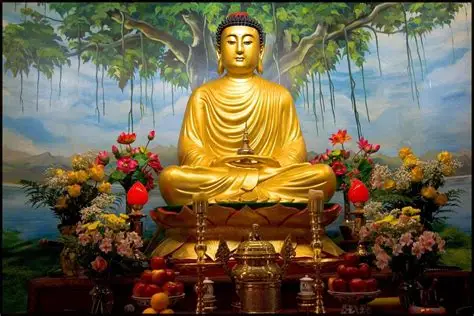
India, the birthplace of Buddhism, continues to be a vibrant hub of spiritual traditions and cultural celebrations. Buddhist Festivals in India are not only religious observances but also cultural spectacles that bring communities together in reverence, joy, and harmony. These festivals highlight the teachings of the Buddha, the rich heritage of Buddhist art and rituals, and the diversity of practices across regions. From solemn meditation ceremonies to colorful processions, Buddhist festivals in India embody peace, compassion, and unity.
Buddha Purnima: The Most Revered Festival
- Significance: Celebrates the birth, enlightenment, and Mahaparinirvana (death) of Gautama Buddha.
- Celebrations: Observed on the full moon day of Vaisakh (April–May). Devotees visit temples, offer prayers, and engage in meditation.
- Major Sites: Bodh Gaya, Sarnath, Kushinagar, and Rajgir witness grand ceremonies.
- Rituals: Chanting of sutras, distribution of alms, and lighting of lamps symbolize enlightenment.
Losar: Tibetan New Year
- Significance: Marks the Tibetan New Year, celebrated with grandeur in Himalayan regions.
- Celebrations: Observed in Ladakh, Sikkim, and Arunachal Pradesh. Ritual dances, prayers, and feasts are central to the festival.
- Cultural Elements: Monasteries host Cham dances (masked dances) depicting Buddhist deities and legends.
- Community Bonding: Families gather, exchange gifts, and prepare traditional dishes like momos and thukpa.
Hemis Festival: A Himalayan Extravaganza
- Location: Celebrated at Hemis Monastery in Ladakh.
- Significance: Honors Guru Padmasambhava, who spread Buddhism in Tibet.
- Highlights: Masked dances, vibrant costumes, and sacred rituals.
- Tourist Appeal: Attracts global visitors for its cultural richness and scenic backdrop.
Ullambana: Festival of Ancestors
- Significance: Based on the Buddhist belief of helping departed souls attain peace.
- Celebrations: Offerings of food, prayers, and rituals to honor ancestors.
- Regions: Observed in monasteries across India, especially in Himalayan states.
- Spiritual Meaning: Reflects compassion and filial piety, core Buddhist values.
Magha Puja: Commemorating the Sangha
- Significance: Celebrates the spontaneous gathering of 1,250 disciples to hear Buddha’s teachings.
- Celebrations: Observed on the full moon day of Magha (February–March).
- Rituals: Candlelight processions, chanting, and meditation sessions.
- Locations: Bodh Gaya and Sarnath are prominent centers for Magha Puja observances.
Kathina Ceremony: Offering to Monks
- Significance: Marks the end of the monastic rains retreat (Vassa).
- Celebrations: Lay devotees offer robes and necessities to monks.
- Community Involvement: Symbolizes generosity and strengthens ties between monks and laypeople.
- Regions: Observed in Buddhist monasteries across India, especially in Bihar and Uttar Pradesh.
Pang Lhabsol: Honoring Mount Kanchenjunga
- Location: Celebrated in Sikkim.
- Significance: Honors Mount Kanchenjunga as a guardian deity.
- Highlights: Masked dances, rituals, and prayers.
- Cultural Fusion: Reflects the blend of Buddhism and local traditions in Sikkim.
Other Notable Buddhist Festivals
- Saga Dawa: Celebrated in Sikkim and Ladakh, marking Buddha’s birth, enlightenment, and death.
- Phang Lhabsol: Unique to Sikkim, blending Buddhist rituals with local deities.
- Chotrul Duchen: Festival of lights, commemorating Buddha’s miracles.
- Drukpa Teshi: Celebrates Buddha’s first teaching of the Four Noble Truths.
Cultural and Spiritual Dimensions of Buddhist Festivals
- Meditation and Prayer: Central to all festivals, reinforcing mindfulness and compassion.
- Art and Dance: Masked dances, thangka paintings, and rituals showcase Buddhist artistry.
- Community Bonding: Festivals foster unity, compassion, and cultural exchange.
- Tourism Appeal: Attract international visitors, enhancing India’s global spiritual tourism profile.
Culinary Traditions During Festivals
- Vegetarian Meals: Reflect Buddhist principles of non-violence.
- Offerings: Fruits, sweets, and rice dishes offered to monks and deities.
- Regional Delicacies: Momos, thukpa, and butter tea in Himalayan regions.
- Community Feasts: Shared meals strengthen bonds among devotees.
Emerging Trends in Buddhist Festivals
- Global Participation: International pilgrims and tourists join Indian celebrations.
- Eco-Friendly Practices: Monasteries promote sustainable rituals and organic offerings.
- Digital Outreach: Live-streaming of ceremonies connects global audiences.
- Wellness Tourism: Festivals integrated with meditation retreats and yoga programs.
Accessibility and Infrastructure
- Major Hubs: Bodh Gaya, Sarnath, Kushinagar, Ladakh, and Sikkim.
- Transport: Airports in Patna, Varanasi, Leh, and Gangtok enhance accessibility.
- Accommodation: Monasteries, guesthouses, and resorts cater to diverse travelers.
- Tourism Support: Government initiatives promote Buddhist circuits and festival tourism.
Why Buddhist Festivals in India Stand Out
- Historical Significance: Linked directly to Buddha’s life and teachings.
- Spiritual Appeal: Offer opportunities for meditation, prayer, and enlightenment.
- Cultural Diversity: Blend of Indian, Tibetan, and Himalayan traditions.
- Global Recognition: UNESCO sites and international pilgrimages highlight their importance.
Sample Itinerary: 12 Days of Buddhist Festival Exploration
- Day 1–2: Bodh Gaya (Buddha Purnima celebrations, Mahabodhi Temple).
- Day 3–4: Sarnath (Magha Puja rituals, Dhamek Stupa).
- Day 5–6: Kushinagar (Mahaparinirvana Temple, Ullambana observances).
- Day 7–8: Ladakh (Hemis Festival, monastery visits).
- Day 9: Sikkim (Pang Lhabsol, Rumtek Monastery).
- Day 10: Rajgir and Nalanda (Kathina Ceremony, Nalanda ruins).
- Day 11: Dharamshala (Losar celebrations, Namgyal Monastery).
- Day 12: Ajanta and Ellora (artistic heritage, Buddhist caves).
Conclusion
Buddhist Festivals in India are not just religious observances—they are cultural journeys that embody peace, compassion, and unity. Whether it is the solemnity of Buddha Purnima, the vibrancy of Hemis Festival, or the spiritual depth of Ullambana, these celebrations offer profound experiences. As India continues to preserve and promote its Buddhist heritage, these festivals stand as timeless reminders of the Buddha’s teachings and their relevance in today’s world.