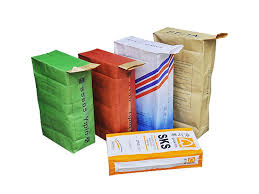
Valve Type Cement Bags: Efficient Packaging for Bulk Cement
Packaging plays a crucial role in the construction industry, especially when it comes to cement. Valve type cement bags have become the preferred choice for cement manufacturers and distributors because of their strength, ease of handling, and efficiency in filling and sealing processes. This blog explores everything about valve type cement bags, their features, benefits, applications, and why they are essential for modern construction.
What are Valve Type Cement Bags?
Valve type cement bags are specialized packaging bags designed to store and transport bulk cement safely. These bags are typically made from multi-layered paper or HDPE woven fabric, providing excellent strength and durability. What sets them apart is the built-in valve a one-way opening that allows cement to be filled quickly while preventing spillage and dust leakage.
The valve system ensures that cement can be filled using automated machinery, making the packaging process faster and more efficient than traditional open-mouth bags. Once the bag is filled, the valve seals automatically, protecting the cement from moisture and contamination.
Features of Valve Type Cement Bags
Valve type cement bags come with a range of features that make them highly efficient for cement packaging:
-
One-Way Valve: Enables easy and rapid filling of cement while preventing backflow or leakage.
-
Moisture Resistance: Multi-layer construction and coatings provide protection against moisture, ensuring cement stays dry.
-
High Strength: The woven or laminated material ensures the bag can withstand the weight of bulk cement without tearing.
-
Dust-Free Handling: The sealed valve minimizes dust emission during handling, contributing to a cleaner work environment.
-
Compatibility with Automatic Machines: Ideal for use in automated filling plants, improving production efficiency.
Types of Valve Type Cement Bags
Valve type cement bags can vary based on material and design:
-
Paper Valve Bags
-
Made from multiple layers of kraft paper.
-
Often laminated with a moisture-resistant coating.
-
Eco-friendly and biodegradable.
-
-
HDPE Woven Valve Bags
-
Made from high-density polyethylene (HDPE) fabric.
-
Extremely durable and resistant to tearing.
-
Ideal for long-distance transportation and rough handling.
-
-
Multi-Layer Laminated Bags
-
Combine paper and plastic layers for maximum strength and moisture resistance.
-
Suitable for premium cement brands requiring longer shelf life.
-
Benefits of Valve Type Cement Bags
Using valve type cement bags offers several advantages for manufacturers, distributors, and end-users:
-
Faster Filling Process: The valve design allows cement to be filled quickly using automated machines.
-
Reduced Material Wastage: Minimizes spillage and dust loss, reducing wastage of cement.
-
Enhanced Product Safety: Protects cement from moisture, contamination, and handling damage.
-
Cost-Effective: Durable and reusable packaging reduces replacement costs.
-
Environmental Benefits: Paper-based valve bags are biodegradable, while HDPE options are recyclable.
Applications of Valve Type Cement Bags
Valve type cement bags are widely used in the construction and building materials industry:
1. Cement Packaging
Cement manufacturers rely on valve type bags to package bulk cement efficiently and safely. The bags prevent moisture ingress, ensuring the cement maintains its quality until it reaches the construction site.
2. Transportation and Storage
Valve type bags make it easier to handle and transport cement over long distances. Their strong construction prevents tearing and spillage during loading, unloading, and storage.
3. Construction Sites
On construction sites, valve type cement bags allow workers to handle cement with minimal dust emission, creating a cleaner and safer work environment.
How Valve Type Cement Bags Work
The valve system is simple yet effective:
-
The bag is placed under a filling machine.
-
Cement is poured into the valve opening.
-
The one-way valve prevents backflow and ensures the bag fills completely.
-
Once filled, the valve seals automatically, protecting the contents from moisture and spillage.
This mechanism reduces manual labor, speeds up production, and ensures consistent packaging quality.
Maintenance and Handling Tips
To maximize the efficiency and lifespan of valve type cement bags:
-
Store in Dry Areas: Avoid exposure to moisture to prevent damage to the bag and cement.
-
Handle Carefully: Though strong, rough handling may puncture the bag.
-
Use Appropriate Equipment: Automated filling machines are ideal for valve type bags.
-
Check Valve Integrity: Ensure the valve is not damaged before filling.
Future Trends in Cement Packaging
With the growth of the construction industry, innovations in cement packaging are evolving. Trends include:
-
Enhanced Moisture-Resistant Coatings: To protect cement in humid environments.
-
Eco-Friendly Materials: Increasing use of biodegradable and recyclable materials.
-
Smart Packaging: Incorporation of QR codes or RFID tags for tracking and quality assurance.
Conclusion
Valve type cement bags are a modern, efficient, and reliable solution for cement packaging. Their unique valve design, combined with strong materials like paper or HDPE woven fabric, ensures faster filling, reduced wastage, and enhanced product protection.