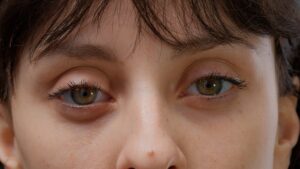
Macro shot authentic portrait of woman with natural skin, beautiful attractive person smiling in front of camera. Female model with positive facial expressions and fresh look. Close up.
The appearance of the under-eye area can have a significant influence on how refreshed, rested and youthful the face looks. Some people notice persistent puffiness beneath their eyes, while others experience a sunken or hollow appearance that creates shadows and makes them look tired. Although these concerns occur in the same facial region, they are not the same condition and may require different approaches to treatment.
Understanding the difference between puffy eyes and under-eye hollows is an important part of choosing an appropriate cosmetic procedure. Eyelid bag surgery focuses on improving the appearance of the eyelids by addressing concerns such as excess fat, loose skin and changes in the surrounding tissues. However, under-eye hollows often involve volume loss or changes in facial structure rather than excess tissue.
For individuals considering Eyelid Bag Surgery Dubai, understanding these differences can help establish realistic expectations and support informed treatment decisions. At Cornerstone Clinic, an individual assessment of the eye area helps determine the nature of the concern and whether eyelid surgery or another aesthetic approach may be more suitable.
Understanding Puffy Eyes and Under-Eye Bags
Puffy eyes generally refer to swelling or fullness around the lower eyelids. This appearance may develop because of several factors, including age-related changes, fluid retention, genetics and the natural distribution of fat beneath the eyes.
As the face ages, the tissues supporting the lower eyelids can gradually weaken. The fat that normally cushions the eyeball may become more prominent, creating visible bulges beneath the eyes. These bulges are commonly described as under-eye bags.
Puffiness can also become more noticeable after waking up, particularly when temporary fluid accumulation contributes to swelling. In some individuals, however, under-eye bags remain visible throughout the day because they are related to anatomical changes rather than temporary fluid retention.
The appearance can vary considerably. Some people develop mild fullness directly beneath the lower eyelashes, while others have more pronounced bulges extending towards the upper cheek.
When persistent under-eye bags are associated with prominent lower-eyelid fat, eyelid bag surgery may be considered as a treatment option following a professional assessment.
What Are Under-Eye Hollows?
Under-eye hollows are characterised by a sunken appearance beneath the eyes. Instead of excess fullness, the area appears to lack volume, creating a visible depression between the lower eyelid and the upper cheek.
This concern is often associated with changes in facial fat distribution, natural bone structure and age-related volume loss. As the face develops over time, the fat compartments supporting the midface can become less prominent. The transition between the lower eyelid and cheek may consequently appear deeper.
Under-eye hollows can also be influenced by genetics. Some individuals naturally have a deeper tear trough, which can create shadows even when their skin is healthy and their facial tissues are relatively firm.
Lighting can make this concern more noticeable. Shadows formed by the natural contour of the face may give the impression of dark circles or tired-looking eyes.
Unlike prominent under-eye bags, hollows are not generally caused by excess fat protruding beneath the eyelids. Therefore, removing additional tissue without carefully assessing the existing volume may not address the underlying concern.
Key Differences Between Puffy Eyes and Under-Eye Hollows
Although puffy eyes and under-eye hollows can both affect facial appearance, they have different characteristics and underlying causes.
Puffy eyes involve visible fullness beneath the lower eyelids. This may result from prominent fat pads, loose supporting tissues or temporary fluid accumulation. Under-eye hollows, on the other hand, involve a reduction in volume or a naturally recessed contour.
The visual difference is often noticeable when examining the transition between the lower eyelid and cheek.
With puffy eyes, the lower eyelid may appear rounded or bulging. With hollows, the area may look sunken, with a noticeable groove that creates shadows.
Another important difference is how each concern responds to treatment. Procedures designed to reduce excess tissue may help selected patients with prominent under-eye bags. However, individuals with hollowing may benefit more from approaches that restore or improve volume, depending on their anatomy and treatment goals.
Some individuals experience both concerns simultaneously. For example, a person may have prominent fat pads beneath the eyes alongside a hollow tear trough. This combination requires careful assessment because treating only one feature may not create a balanced appearance.
Why Do Puffy Eyes Develop?
Several factors can contribute to the development of under-eye puffiness.
Age-Related Changes
As people get older, the skin gradually loses elasticity and the supporting structures around the eyes become less firm. These changes can allow the lower-eyelid fat pads to become more noticeable.
The result may be persistent bags that remain visible regardless of sleep quality or daily routine.
Genetics and Facial Anatomy
Some individuals develop under-eye bags at a relatively young age because of inherited facial characteristics. The natural position and prominence of the fat compartments can influence the appearance of the lower eyelids.
Genetics may also determine skin thickness, tissue support and the shape of the transition between the eyes and cheeks.
Fluid Retention
Temporary fluid accumulation can contribute to morning puffiness. Sleep position, dietary habits and normal changes in fluid distribution may influence how noticeable swelling appears.
This type of puffiness may improve naturally during the day and should be distinguished from persistent fat-related under-eye bags.
Changes in Skin Elasticity
Reduced skin elasticity can contribute to loose or creased skin beneath the eyes. When combined with prominent fat pads, this may create a fuller and less defined lower-eyelid contour.
What Causes Under-Eye Hollows?
Under-eye hollows develop through a different combination of anatomical and age-related factors.
Natural Tear Trough Anatomy
The tear trough is the groove extending from the inner corner of the eye towards the cheek. Its depth varies between individuals.
A naturally deep tear trough can create a hollow appearance even in younger people. This is why under-eye hollows are not exclusively associated with ageing.
Loss of Facial Volume
Age-related changes in facial fat can reduce the fullness of the upper cheek and the area surrounding the lower eyelids. As this support changes, the tear trough may become more visible.
Changes in Bone Structure
The underlying facial skeleton contributes to the shape and support of the eye area. Natural variations in the orbital rim and cheekbone structure can influence whether the lower eyelid appears flat, full or hollow.
Skin Thickness and Texture
The skin beneath the eyes is relatively delicate. Differences in skin thickness and pigmentation can make underlying contours more noticeable, particularly when shadows develop around the tear trough.
How Does Eyelid Bag Surgery Address Puffy Eyes?
Eyelid bag surgery, commonly known as lower blepharoplasty, is a cosmetic procedure designed to improve the appearance of the lower eyelids.
The procedure may involve removing, repositioning or redistributing excess fat, depending on the individual’s anatomy and desired outcome. In selected cases, excess skin may also be addressed to create a smoother lower-eyelid contour.
The appropriate surgical approach depends on several factors, including the amount of protruding fat, skin elasticity, eyelid support and the relationship between the lower eyelid and cheek.
For someone with prominent under-eye bags, the objective is generally to reduce the appearance of excessive fullness while maintaining a natural transition between the eyelid and cheek.
Not everyone with puffy eyes is automatically a suitable candidate. A specialist needs to establish whether the fullness is caused by protruding fat, temporary swelling, loose skin or another factor before recommending treatment.
For patients researching Eyelid Bag Surgery Dubai, understanding the purpose of lower blepharoplasty is an important step towards deciding whether the procedure addresses their particular concern.
Can Eyelid Bag Surgery Correct Under-Eye Hollows?
Under-eye hollows require a different treatment consideration because the primary concern is reduced volume rather than excess tissue.
Traditional fat removal may not be appropriate for someone whose lower eyelids already have a hollow appearance. Removing additional fat could make the depression more noticeable instead of creating a smoother contour.
Depending on the individual’s anatomy, a specialist may consider fat repositioning, carefully selected volume-restoration techniques or other approaches to improve the eyelid-to-cheek transition.
Fat repositioning may be particularly relevant when under-eye bags and tear-trough hollows occur together. Rather than simply removing prominent fat, the surgeon may redistribute suitable tissue to soften the difference between the bulging and recessed areas.
The choice of technique depends on individual facial anatomy, skin quality and the extent of volume deficiency. A consultation is essential to establish whether surgery is appropriate or whether a non-surgical approach should be considered.
How Is the Right Treatment Approach Selected?
Selecting an appropriate treatment begins with understanding the actual cause of the under-eye concern. Two people may describe their appearance as tired or puffy, but their anatomical features may be completely different.
A professional assessment generally considers the following factors:
Lower-Eyelid Fat Distribution
The position and prominence of the fat pads help determine whether visible fullness is caused by excess or displaced tissue.
Skin Quality and Elasticity
The amount of loose skin and the condition of the lower-eyelid tissues can influence whether a surgical procedure may be beneficial.
Tear Trough Depth
Examining the depth of the tear trough helps identify whether hollowing contributes to shadows or an uneven eyelid-to-cheek transition.
Cheek Volume and Facial Proportions
The upper cheek provides important support to the lower-eyelid region. Assessing cheek volume helps establish whether the concern is isolated to the eyelids or part of a wider facial contour change.
Individual Aesthetic Goals
Some people want to reduce prominent bags, while others want a smoother transition between the lower eyelids and cheeks. Understanding these goals helps guide treatment planning.
What Should Patients Expect During an Eyelid Bag Surgery Consultation?
A consultation provides an opportunity to discuss concerns, examine the eye area and understand which treatment options may be appropriate.
The specialist may review medical history, previous procedures, existing eye conditions and individual expectations. The lower eyelids are examined to evaluate fat prominence, skin laxity, tissue support and tear-trough depth.
Patients should explain whether their concerns are constant or become more noticeable at particular times of the day. This information can help distinguish temporary puffiness from structural changes.
It is also useful to discuss whether the main concern is excess fullness, hollowing, loose skin or a combination of these features.
The treatment plan should be based on the patient’s anatomy rather than a standardised approach. The aim is to improve the appearance of the eye area while maintaining facial balance and natural-looking proportions.
Understanding Eyelid Bag Surgery Cost in Dubai
The overall cost of eyelid bag surgery can vary depending on the procedure required and the complexity of the individual treatment plan.
Factors that may influence the cost include whether treatment involves the upper or lower eyelids, the surgical technique selected, the extent of correction required and the facilities involved.
For patients with both under-eye bags and hollows, the treatment plan may involve additional considerations compared with someone who has isolated lower-eyelid fat prominence.
The Eyelid Bag Surgery Cost in Dubai should therefore be discussed during a consultation after the specialist has assessed the eye area and established the most suitable approach.
Rather than comparing procedures on price alone, patients should understand what the proposed treatment includes and how it relates to their individual aesthetic goals.
Conclusion
Puffy eyes and under-eye hollows may create a similar tired appearance, but they are different anatomical concerns. Puffy eyes generally involve excess fullness caused by prominent fat pads, loose supporting tissues or fluid accumulation. Under-eye hollows involve reduced volume or a naturally recessed tear-trough contour.
Eyelid bag surgery, particularly lower blepharoplasty, may help improve prominent under-eye bags by addressing excess or displaced fat and, where appropriate, loose skin. However, hollowing often requires a different approach, such as carefully planned fat repositioning or volume restoration.
For anyone considering Eyelid Bag Surgery Dubai, understanding the underlying cause of their concern is essential before choosing a procedure. A personalised consultation at Cornerstone Clinic can help establish whether surgery is suitable and identify an approach that supports balanced, natural-looking results.
Frequently Asked Questions
1. What is the main difference between puffy eyes and under-eye hollows?
Puffy eyes involve visible fullness or bulging beneath the lower eyelids, often associated with prominent fat pads or fluid retention. Under-eye hollows involve a sunken appearance caused by reduced volume, natural facial anatomy or age-related changes.
2. Can eyelid bag surgery remove puffy eyes permanently?
Lower blepharoplasty can provide long-lasting improvement when puffiness is caused by prominent lower-eyelid fat. However, natural ageing continues, and other factors may influence the appearance of the eye area over time.
3. Is eyelid bag surgery suitable for under-eye hollows?
It depends on the underlying anatomy. Traditional fat removal may not be suitable for hollowing because it can reduce volume further. Selected patients may benefit from fat repositioning or other volume-restoration approaches.
4. Can someone have both puffy eyes and under-eye hollows?
Yes. Some individuals have prominent fat pads directly beneath the eyes alongside a deeper tear trough. This combination can create an uneven contour and may require a treatment plan that addresses both features.
5. Are under-eye hollows always caused by ageing?
No. Although age-related volume loss can make hollows more noticeable, genetics and natural facial anatomy can also contribute. Some people have prominent tear troughs from an early age.
6. How do specialists determine whether someone needs eyelid bag surgery?
A specialist examines the lower eyelids, fat distribution, skin elasticity, tear-trough depth and cheek volume. The assessment helps establish whether the concern is related to excess tissue, volume loss or a combination of both.
7. Does lower blepharoplasty remove excess skin as well as fat?
It can. Depending on the patient’s anatomy, lower blepharoplasty may involve addressing prominent fat, repositioning tissue and removing selected amounts of excess skin. The technique is tailored to individual requirements.
8. What affects eyelid bag surgery cost in Dubai?
The cost depends on the type of eyelid procedure, surgical technique, complexity of the case and individual treatment requirements. A consultation provides a clearer understanding of the recommended procedure and associated costs.
9. Can lifestyle changes improve puffy eyes?
Temporary puffiness associated with fluid retention may improve with adequate sleep, appropriate hydration and adjustments to lifestyle habits. However, persistent bags caused by prominent fat pads generally do not disappear through lifestyle changes alone.
10. Why is a consultation important before eyelid bag surgery?
A consultation helps identify the actual cause of the under-eye concern and determine whether surgery is appropriate. It also allows the specialist to discuss suitable techniques, expected outcomes and individual treatment goals.