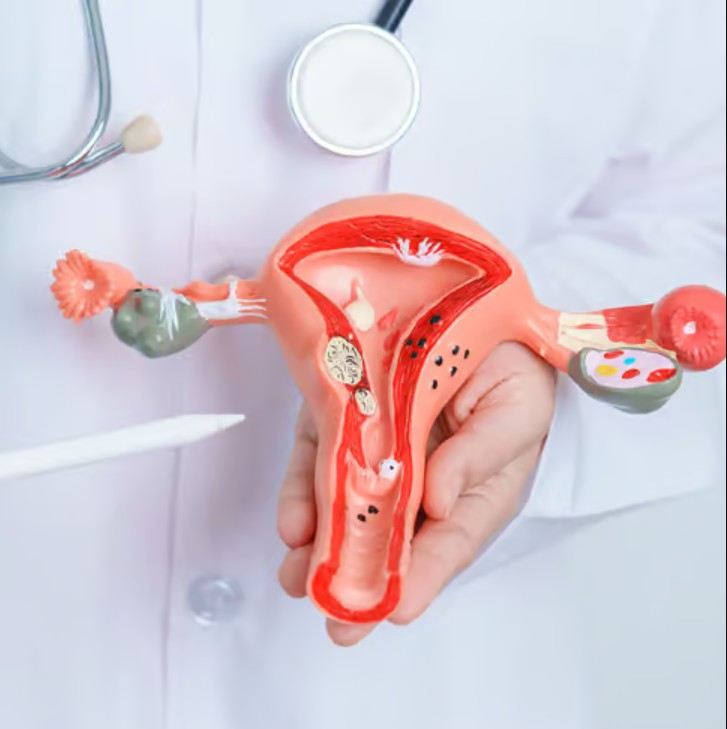
Premature ovarian failure, more commonly referred to today as primary ovarian insufficiency (POI), is a condition in which ovarian function declines before the age of 40. It may affect menstrual regularity, estrogen production, fertility, and overall hormonal wellbeing. Because ovarian activity can sometimes fluctuate, the condition is different from natural menopause and requires an individualized approach to diagnosis and management.
For women looking for Premature Ovarian Failure Treatment In Dubai, modern care focuses on identifying the underlying condition, understanding hormone levels and symptoms, supporting hormonal health, and addressing reproductive goals. Treatment plans may include hormone therapy, symptom management, fertility-focused care, and ongoing health monitoring.
EV Clinic Dubai provides a setting where women can discuss hormonal and reproductive health concerns with healthcare professionals and explore an individualized treatment approach.
What Is Premature Ovarian Failure?
Understanding Primary Ovarian Insufficiency
Premature ovarian failure is a term that has traditionally been used for ovarian function declining earlier than expected. Medical guidance increasingly uses the term primary ovarian insufficiency because ovarian activity may not completely stop and some women can experience intermittent ovarian function.
POI is generally characterized by irregular or absent menstrual cycles together with biochemical evidence of reduced ovarian function before age 40. The condition may develop gradually, meaning some women initially notice changes in their menstrual pattern rather than an immediate cessation of periods.
How It Can Affect Hormonal Health
The ovaries produce hormones including estrogen that influence several areas of health. When ovarian estrogen production decreases prematurely, women may experience symptoms associated with estrogen deficiency.
Possible changes can include:
- Irregular or missed periods
- Hot flashes
- Night sweats
- Vaginal dryness
- Changes in sexual wellbeing
- Sleep difficulties
- Changes in mood and general wellbeing
- Reduced fertility
The symptoms and their intensity can differ considerably between individuals.
Signs That May Require Assessment
Changes in Menstrual Cycles
One of the most noticeable signs may be a change in the menstrual cycle. Periods can become irregular, occur less frequently, or stop for periods of time.
A change in menstruation does not automatically indicate POI because irregular periods can have many causes. Pregnancy, thyroid disorders, certain medications, changes in weight, intense physical activity, and other hormonal conditions may also affect menstrual cycles.
Symptoms Associated With Low Estrogen
Some women may experience symptoms commonly associated with lower estrogen levels. These can include hot flashes, night sweats, vaginal discomfort and sleep disturbances.
Because symptoms can overlap with other hormonal conditions, proper clinical assessment is important before treatment is selected.
How Premature Ovarian Insufficiency Is Diagnosed
Medical History and Menstrual Assessment
The diagnostic process generally begins with a detailed discussion about menstrual history, symptoms, previous medical treatments, reproductive goals, and relevant health information.
Healthcare professionals may also ask about previous ovarian surgery, chemotherapy or other treatments that could influence ovarian function.
Hormonal Testing
Current international guidance recommends using menstrual irregularity or amenorrhea together with elevated follicle-stimulating hormone (FSH) to help establish the diagnosis. The updated guideline states that one elevated FSH level above 25 IU/L may be sufficient when the clinical picture is consistent, while repeat testing can be considered when there is diagnostic uncertainty.
Other laboratory investigations may be used when appropriate to investigate alternative causes or provide additional clinical information.
Additional Evaluation
Depending on the individual’s history, clinicians may consider additional investigations to understand possible causes and associated health considerations. Genetic evaluation and other testing may be appropriate for selected patients.
The aim is not simply to identify low ovarian function but to develop a complete understanding of the woman’s hormonal and reproductive health.
Modern Approaches to Premature Ovarian Failure Treatment
Hormone Therapy
Hormone therapy is an important component of management for many women with POI. Current guidance recommends hormone therapy for women with POI to replace deficient estrogen and support symptom management and long-term health until the usual age of menopause, unless there is a specific reason it should not be used.
Estrogen may be administered through different routes, including oral or transdermal preparations. The appropriate option depends on individual circumstances and should be selected by a qualified healthcare professional.
Estrogen and Progestogen Therapy
For women who have an intact uterus, estrogen therapy is generally combined with an appropriate progestogen to protect the lining of the uterus. The exact regimen can be continuous or sequential depending on the treatment plan.
The current POI guideline emphasizes individualized selection of hormone therapy according to factors such as patient preferences, contraceptive requirements, and other medical considerations.
Vaginal Estrogen for Genitourinary Symptoms
Some women with POI experience vaginal dryness or other genitourinary symptoms. Vaginal estrogen may be considered when these symptoms require additional local treatment.
The 2024 evidence-based POI guideline recommends vaginal estrogen therapy for genitourinary symptoms and notes that it can be used alongside systemic hormone therapy when appropriate.
Fertility Considerations With POI
Understanding Fertility Changes
One of the most important concerns for many women diagnosed with POI is fertility. Reduced ovarian function can significantly affect natural conception, although intermittent ovarian activity can occur in some women.
Current guidance emphasizes that hormone therapy is not a contraceptive. Women who do not wish to become pregnant may therefore need a separate contraceptive strategy.
Planning Pregnancy
Women who want to have children should discuss their reproductive goals as early as possible with an appropriate healthcare professional. Fertility management can depend on age, ovarian function, reproductive history, and individual circumstances.
A personalized consultation can help determine which fertility-related options may be appropriate.
Supporting Bone Health
Why Bone Health Matters
Estrogen has an important role in maintaining bone health. Because POI can lead to prolonged estrogen deficiency, maintaining bone health is an important part of long-term management.
The current POI guideline recommends hormone therapy for maintaining bone density and recommends bone mineral density assessment using DXA where available at the time of diagnosis.
Lifestyle and Nutrition
A healthy lifestyle can complement medical management. Regular physical activity, adequate nutrition, and appropriate calcium and vitamin D intake can form part of a broader approach to maintaining general and skeletal health.
Lifestyle measures should complement, rather than replace, clinically recommended treatment.
Lifestyle Support for Hormonal Wellbeing
Regular Physical Activity
Physical activity can support general wellbeing and contributes to healthy bones and metabolic health. A balanced exercise routine can include activities such as walking, resistance training, and other forms of movement suited to individual ability.
Balanced Nutrition
A nutritious diet can support overall health during hormonal changes. Adequate protein, calcium-rich foods, vitamin D sources, fruits, vegetables, and whole grains can contribute to a balanced dietary pattern.
Specific nutritional requirements can vary, so women with individual dietary needs should discuss them with an appropriate healthcare professional.
Sleep and Daily Routine
Changes in hormones may affect sleep quality. Maintaining a consistent sleep schedule, creating a comfortable sleeping environment, and incorporating relaxation into the daily routine may support general wellbeing.
Personalized Care at EV Clinic Dubai
Individual Assessment
Every woman’s experience with premature ovarian insufficiency can be different. For this reason, treatment should not be based on a single symptom or a standard package.
At EV Clinic Dubai, women can discuss their symptoms, menstrual history, hormonal concerns, and reproductive goals as part of an individualized consultation.
Developing a Treatment Plan
A personalized plan may involve diagnostic assessment, hormone-related management, symptom support, fertility discussions, and appropriate follow-up.
The objective is to address the individual’s current concerns while also considering longer-term hormonal and reproductive health.
Premature Ovarian Failure Treatment Cost In Dubai
What Determines Treatment Cost?
The Premature Ovarian Failure Treatment Cost In Dubai can vary because treatment is personalized rather than being identical for every patient.
Several factors may influence the overall cost, including:
- Initial consultation
- Laboratory hormone testing
- Additional diagnostic investigations
- Imaging or bone-density assessment when clinically indicated
- Type and duration of hormone therapy
- Follow-up appointments
- Fertility-related evaluation when required
- Additional supportive treatment
Because the treatment plan depends on individual findings, an exact cost can generally be discussed after an appropriate consultation.
Why Consultation Is Important
A consultation helps determine which investigations and treatments are actually appropriate. This can make the treatment process more targeted and allows the healthcare professional to explain the expected monitoring and follow-up schedule.
Women considering Premature Ovarian Failure Treatment In Dubai can discuss their individual requirements with EV Clinic Dubai to understand the available treatment approach and associated costs.
Why Early Assessment Can Be Valuable
Recognizing Changes Early
Changes in menstrual cycles before age 40 should not automatically be dismissed as normal hormonal fluctuations. Early assessment can help determine whether the changes are related to POI or another condition.
Creating a Long-Term Management Plan
POI management extends beyond treating individual symptoms. Current guidance emphasizes ongoing care that considers hormonal health, bone health, reproductive goals, sexual wellbeing, and quality of life.
This makes regular follow-up an important part of managing the condition.
What to Expect During a Consultation
Discussion of Symptoms
The consultation may begin with a discussion about menstrual patterns, symptoms, previous diagnoses, medications, reproductive plans, and relevant medical history.
Review of Investigations
If testing is required, the healthcare professional can explain which assessments may help clarify ovarian function and identify other possible causes of menstrual changes.
Personalized Recommendations
Following assessment, an individualized treatment plan can be discussed. This may include hormone therapy, symptom-focused management, fertility discussions, lifestyle guidance, and follow-up monitoring depending on the individual’s needs.
Conclusion
Premature ovarian insufficiency can affect menstrual cycles, estrogen levels, fertility, bone health, and overall wellbeing, particularly when it occurs before the age of 40. Modern management focuses on accurate diagnosis and personalized care rather than treating every patient in exactly the same way.
For women considering Premature Ovarian Failure Treatment In Dubai, hormone therapy can be an important part of management when appropriate, while fertility planning, bone-health monitoring, symptom management, and lifestyle support may also have a role. Current international guidance supports individualized, ongoing care for women with POI.
EV Clinic Dubai can provide an opportunity to discuss hormonal concerns, understand available treatment approaches, and develop a care plan based on individual health needs and reproductive goals.