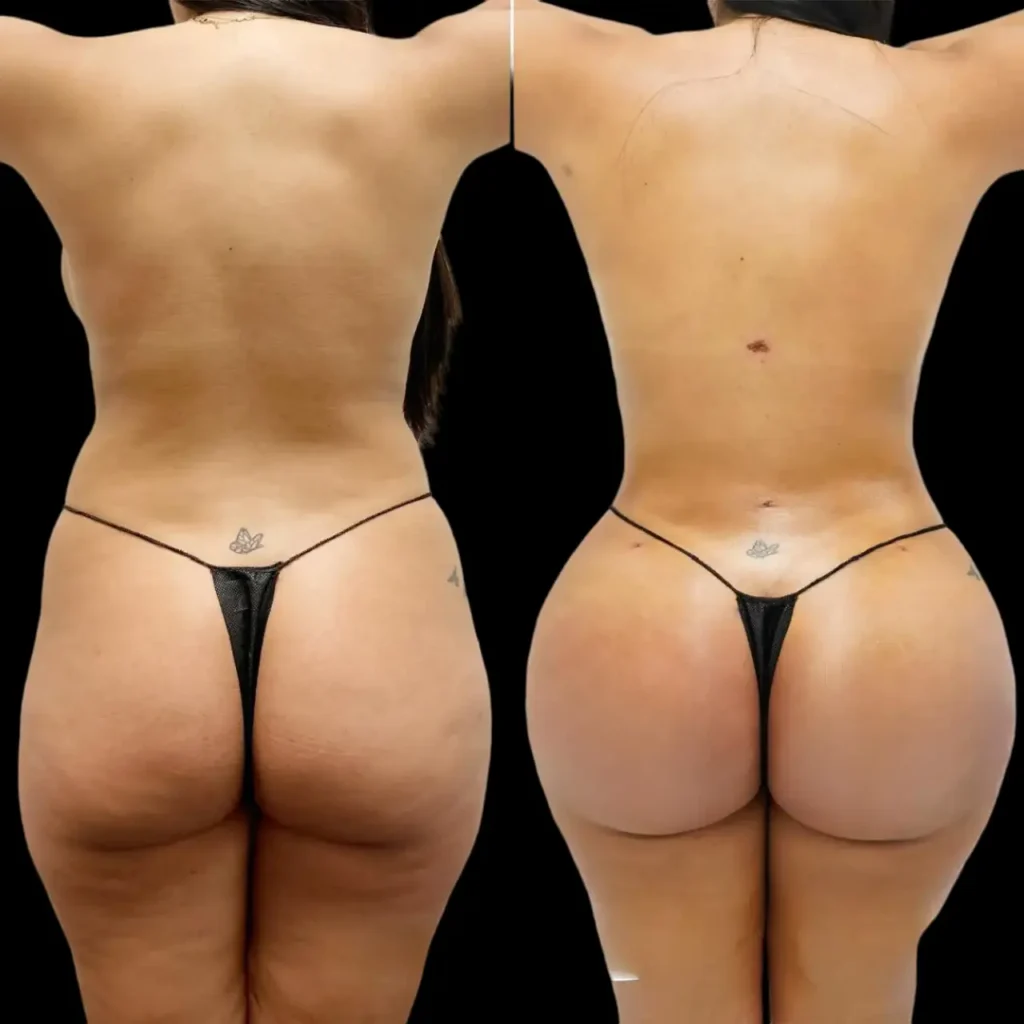
Best Butt Fat Transfer in Dubai
Why Should You Ask Questions Before Fat Transfer Surgery in Dubai?
Asking questions before surgery helps patients understand every important aspect of the procedure. It also provides an opportunity to discuss personal concerns, medical history, and treatment expectations.
Before considering Fat transfer Surgery in dubai, patients should understand that results depend on several factors, including body structure, available donor fat, skin quality, and individual healing responses.
A proper consultation should explain:
- How the procedure is performed.
- Whether the patient is suitable for treatment.
- Which area will provide donor fat.
- How much fat may be transferred.
- What results can realistically be expected.
- What side effects and complications are possible.
- How long recovery may take.
- What the complete treatment cost includes.
Being well-informed before booking helps patients feel more confident about their decision.
Best Fat Transfer Surgeon in Dubai: What Questions Should You Ask About Qualifications?
When researching the Best fat transfer surgeon in dubai, patients should begin by checking professional qualifications and relevant surgical experience.
Choosing a qualified medical professional is important because fat transfer involves removing fat from one area and carefully placing it into another.
Consider asking these questions:
1. Are You Qualified to Perform Fat Transfer Surgery?
Ask about medical qualifications, specialist training, and professional licensing. Patients should verify that the treating professional is authorized to perform the planned procedure.
2. How Much Experience Do You Have With Fat Transfer?
Experience with fat harvesting, processing, and injection is important for appropriate surgical planning.
3. Which Fat Transfer Techniques Do You Use?
Ask about the techniques used for collecting and transferring fat and why a particular approach may be suitable for your treatment area.
4. What Safety Measures Are Followed During Surgery?
Understanding surgical safety arrangements, anesthesia monitoring, and emergency support is essential.
These questions help patients evaluate professional suitability instead of relying only on advertisements or promotional claims.
Best Fat Transfer Surgeons in Dubai: How Can You Evaluate Their Experience?
People searching for the Best fat transfer surgeons in dubai should understand the importance of relevant experience and patient safety.
During your consultation, consider asking:
- Have you treated patients with similar cosmetic goals?
- What results can I realistically expect?
- What complications should I understand?
- How do you manage uneven fat distribution?
- What happens if some transferred fat is absorbed?
- How will my progress be monitored after surgery?
Patients should receive honest answers about the benefits and limitations of fat transfer.
No surgical professional can guarantee perfect symmetry or complete survival of transferred fat. Individual results vary, so realistic expectations are important.
What Questions Should You Ask About the Fat Transfer Procedure?
Understanding the complete procedure before booking is essential.
Fat transfer generally involves three main stages: fat collection, fat processing, and fat injection.
Patients should ask the following questions.
1. From Which Body Area Will Fat Be Collected?
Common donor areas include the abdomen, thighs, and flanks. The selected area depends on fat availability and individual body structure.
2. How Is the Fat Collected?
Ask which fat-removal technique will be used and how the donor area will be managed.
3. How Is the Collected Fat Processed?
The collected fat is prepared to separate suitable fat tissue from unwanted fluids and other materials.
4. How Much Fat Will Be Transferred?
The amount depends on the treatment area, desired improvement, and available donor fat.
5. How Long Will the Procedure Take?
The duration varies depending on the number of treatment areas and the complexity of the procedure.
Getting answers to these questions helps patients understand what will happen during surgery.
Fat Grafting: Important Questions About Fat Collection and Transfer
fat grafting is another term for fat transfer. It is used to restore volume in selected areas by transferring fat taken from another part of the patient’s body.
Before booking treatment, patients should ask:
- Is my body suitable for fat grafting?
- Do I have enough donor fat?
- How will the fat be processed?
- How is the transferred fat placed?
- How much fat may survive permanently?
- Will I need another treatment?
- What are the possible risks?
One important point to understand is that not all transferred fat survives. Some fat cells may be naturally absorbed by the body during recovery.
Therefore, patients should avoid expecting that every transferred fat cell will remain permanently.
Under Eye Fat Transfer: What Questions Should You Ask Before Treatment?
under eye fat transfer is a cosmetic procedure used to restore volume beneath the eyes and improve the appearance of hollow areas.
The under-eye region is delicate, so patients should understand the treatment carefully before booking.
Important questions include:
1. Am I a Suitable Candidate for Under-Eye Fat Transfer?
Not every under-eye concern is caused by volume loss. Pigmentation, loose skin, puffiness, and prominent fat pads may require different treatment approaches.
2. What Results Can I Expect?
Ask how much improvement may be possible based on your facial structure and skin condition.
3. What Are the Possible Side Effects?
Common side effects may include swelling, bruising, tenderness, and temporary puffiness.
4. Can Fat Transfer Cause Lumps Under the Eyes?
Uneven fat distribution or fat necrosis may sometimes result in small lumps or irregularities.
5. How Long Will Recovery Take?
The recovery period varies, and swelling may take time to settle.
A proper facial assessment helps determine whether under-eye fat transfer is appropriate.
What Medical Tests Are Required Before Fat Transfer Surgery?
Medical testing helps evaluate whether a patient is physically prepared for surgery.
The exact tests depend on age, medical history, health conditions, and anesthesia requirements.
Patients should ask which investigations they need before booking treatment.
Common tests may include:
- Complete Blood Count (CBC).
- Blood glucose testing.
- Kidney function tests.
- Liver function tests.
- Blood clotting tests.
- ECG when medically indicated.
- Pregnancy testing when appropriate.
- Additional investigations based on medical history.
Patients should also inform the medical team about allergies, previous surgeries, existing medical conditions, and all medications or supplements they take.
What Are the Possible Side Effects of Fat Transfer Surgery?
Understanding possible side effects is essential before making a surgical decision.
Although fat transfer can provide natural-looking improvements, it may cause temporary side effects and, in some cases, more serious complications.
Common side effects include:
Swelling: The donor and treatment areas may become swollen after surgery.
Bruising: Small blood vessels may be affected during fat collection and injection.
Pain and Tenderness: Mild discomfort can occur during the initial recovery period.
Numbness: Temporary changes in sensation may develop around the treated areas.
Fat Absorption: Some transferred fat may be naturally absorbed.
Uneven Results: Differences in fat survival may affect the final appearance.
Less common but serious complications include infection, bleeding, fat necrosis, blood clots, and fat embolism.
Patients should ask how these risks are managed and what symptoms require immediate medical attention.
Fat Transfer Surgery Cost in Dubai: What Should You Ask Before Booking?
The Fat transfer Surgery cost in dubai is an important consideration for anyone planning cosmetic treatment.
However, the total expense may vary depending on the treatment area, surgical technique, amount of fat required, anesthesia, and individual medical needs.
Before booking, patients should ask:
- What is the complete cost of the procedure?
- Does the price include the initial consultation?
- Are medical investigations included?
- Does the quoted amount include anesthesia?
- Are postoperative medications included?
- Are follow-up appointments included?
- Are additional procedures charged separately?
Getting a detailed cost breakdown helps patients avoid unexpected expenses.
Fat Transfer Cost in Dubai: What Factors Influence the Total Expense?
The fat transfer cost in dubai can differ between patients because each treatment plan is personalized.
Some important factors that influence the cost include:
Treatment Area: Facial fat transfer and body contouring may have different surgical requirements.
Amount of Fat: The quantity of fat required can influence the complexity of treatment.
Procedure Duration: More extensive procedures may require additional surgical time.
Anesthesia Requirements: The type of anesthesia may affect the overall expense.
Medical Assessment: Preoperative tests and consultations may contribute to the total cost.
Aftercare: Follow-up appointments and postoperative support should also be considered.
Patients should ask for a written estimate that clearly explains the services included.
Fat Transfer Cost: What Should You Include in Your Treatment Budget?
Understanding the complete fat transfer cost can help patients prepare financially.
In addition to the main surgical expense, patients may need to consider:
- Initial consultation charges.
- Medical tests.
- Surgical facility expenses.
- Anesthesia fees.
- Prescribed medications.
- Recovery garments, if required.
- Follow-up consultations.
- Possible additional treatment.
Patients should also ask whether corrective treatment or additional fat transfer, if required, will involve separate expenses.
A clear financial plan makes it easier to understand the complete commitment involved in cosmetic surgery.
Fat Transfer Prices: What Should You Compare Before Making a Decision?
Comparing fat transfer prices can help patients understand different treatment options. However, choosing a clinic based only on the lowest price is not recommended.
A lower price does not automatically mean that the treatment offers better value.
Before comparing costs, consider:
- Professional qualifications and licensing.
- Surgical facility standards.
- Consultation and medical assessment.
- Fat collection and processing techniques.
- Anesthesia arrangements.
- Postoperative care.
- Follow-up services.
- Transparency about possible additional expenses.
The most important consideration should be appropriate medical care and patient safety.
Best Doctors in Dubai: What Should You Look for During Your Consultation?
People researching the Best Doctors in dubai should focus on professional qualifications, experience, communication, and patient-centred care.
A good consultation should provide enough information for patients to understand the procedure before making a decision.
Consider whether the medical professional:
- Listens carefully to your cosmetic concerns.
- Reviews your medical history.
- Explains suitable treatment options.
- Discusses possible complications.
- Provides realistic expectations.
- Answers questions clearly.
- Explains the recovery process.
- Avoids pressuring you into surgery.
Patients should feel comfortable asking questions and taking time to consider their options.
Perfect Doctors Clinic: Questions to Consider When Researching a Cosmetic Facility
People researching cosmetic treatments may come across the term Perfect Doctors Clinic while exploring different options.
When evaluating any cosmetic facility, patients should independently verify its licensing, surgical arrangements, and medical standards.
Useful questions include:
- Is the facility licensed for the planned procedure?
- Are qualified medical professionals available?
- Are appropriate surgical facilities provided?
- Is anesthesia monitoring available?
- What postoperative support is offered?
- How are unexpected complications managed?
These questions help patients understand whether a facility meets their expectations for medical care and safety.
Dr. Perfect Celebrity: Why Should You Avoid Celebrity-Based Treatment Expectations?
The term Dr. perfect celebrity may appear in online searches related to cosmetic procedures and celebrity-inspired appearances.
Many people use celebrity photographs as inspiration when considering facial or body enhancement. However, every individual has different facial features, body proportions, skin quality, and fat distribution.
Before booking treatment, patients should ask whether their desired results are realistic for their natural anatomy.
It is important to remember that fat transfer cannot guarantee an identical appearance to a celebrity. The treatment should focus on individual needs, natural proportions, and medical suitability.
What Should You Know About Recovery Before Booking Fat Transfer Surgery?
Recovery is another important subject to discuss during the initial consultation.
Patients should understand that healing takes time and that the final results are not immediately visible.
Ask the medical team about:
First Few Days: How should swelling, bruising, and discomfort be managed?
First Two Weeks: Which daily activities should be avoided?
Physical Activity: When can normal exercise and physical activities resume?
Sleeping Position: Are there specific sleeping instructions to protect the treated area?
Follow-Up Visits: How frequently should the treated area be checked?
Final Results: When can the final appearance be properly evaluated?
Following postoperative instructions helps support healing and reduces avoidable risks.
Conclusion: Important Questions to Ask Before Booking Fat Transfer Surgery in Dubai
Booking cosmetic surgery is an important decision that requires proper research and preparation. Before choosing Fat transfer Surgery in dubai, patients should understand the procedure, professional qualifications, possible side effects, recovery requirements, and overall expenses.
Asking questions about fat collection, treatment suitability, anesthesia, expected results, and aftercare can help patients make informed decisions.
Whether considering facial enhancement, under eye fat transfer, or body contour improvement, individual assessment and realistic expectations should always remain priorities.
Patients should also understand the complete fat transfer cost in dubai and compare treatment plans carefully instead of focusing only on the advertised price.
Ultimately, the best decision is one that prioritizes personal health, appropriate medical standards, realistic cosmetic goals, and long-term well-being.