A dental crown can play an important role in restoring the appearance, shape and function of a damaged or weakened tooth. However, choosing a crown is not simply a matter of selecting a material or colour. Dentists consider the condition of the tooth, its location in the mouth, bite pattern, surrounding teeth and the patient’s aesthetic preferences before recommending a suitable option.
For people considering Dental Crown Dubai, understanding how dentists evaluate these factors can make the consultation process easier and more informative. At Cornerstone, a personalised dental assessment can help determine which crown characteristics are appropriate for an individual’s smile and oral needs.
What Is a Dental Crown?
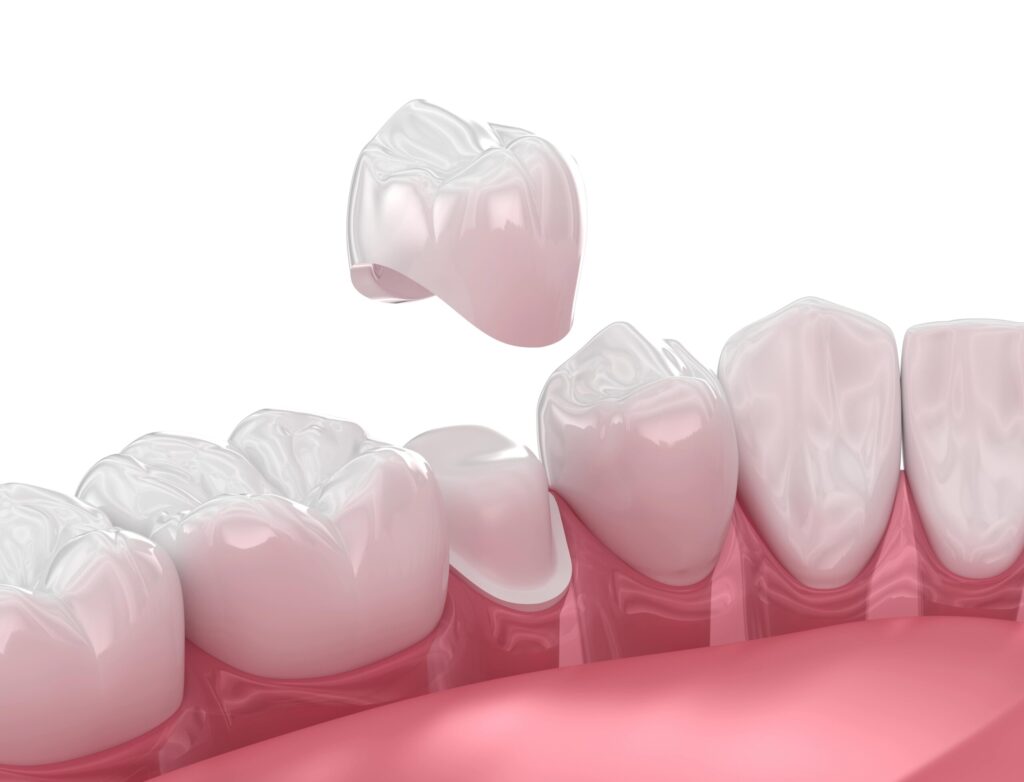
A dental crown is a custom-made restoration designed to cover a prepared tooth. It can restore the tooth’s shape and appearance while supporting its function.
Crowns may be considered for teeth that have been significantly weakened, extensively restored or require a restoration following certain dental treatments. They can also be used when improving the appearance of a particular tooth is part of a broader restorative plan.
Because every tooth has different requirements, dentists select crowns according to individual circumstances rather than using one material for every patient.
Why Choosing the Right Crown Matters
A crown needs to work harmoniously with the surrounding teeth. Its shape, size, colour and material can all contribute to the overall appearance and function of the smile.
A crown placed on a front tooth may have different aesthetic requirements from one used on a molar. Likewise, a patient with a strong bite may have different restorative considerations from someone whose primary concern is cosmetic appearance.
The dentist therefore considers several factors before recommending a crown.
Assessing the Condition of the Tooth
The first step is usually evaluating the tooth that may require a crown. The dentist examines the remaining tooth structure, existing restorations and overall condition of the tooth.
Imaging may also be used when appropriate to understand the tooth more comprehensively.
This assessment helps the dentist determine whether a crown is suitable and what type of restoration may best meet the tooth’s functional and aesthetic needs.
Considering the Location of the Tooth
The position of the tooth within the mouth can influence crown selection.
Front teeth are highly visible, so colour, translucency and natural appearance may be particularly important. Back teeth experience substantial chewing forces, making strength and functional performance important considerations.
The dentist therefore considers where the crown will be placed before recommending a material or design.
Understanding Different Crown Materials
Dental crowns can be made from several materials, each with different characteristics. Options may include porcelain, ceramic, zirconia, porcelain-fused materials and certain metal-based restorations.
The appropriate material depends on factors such as tooth location, functional requirements, appearance and the patient’s individual circumstances.
Rather than selecting a material based solely on popularity, dentists assess how well it fits the specific tooth and overall treatment plan.
Porcelain and Ceramic Crowns
Porcelain and ceramic crowns are often considered when a natural-looking appearance is a priority.
These materials can be designed to resemble the colour and visual characteristics of natural teeth. They may be particularly relevant when restoring visible teeth where aesthetics are an important consideration.
The dentist evaluates the patient’s existing teeth to determine the most suitable shade, shape and appearance.
Zirconia Crowns
Zirconia is a strong ceramic material that can be used for dental restorations. It may be considered for both visible and posterior teeth depending on the patient’s circumstances.
Its combination of strength and tooth-coloured appearance makes it an option that dentists may discuss during restorative planning.
The decision depends on the tooth’s location, functional requirements and desired aesthetic characteristics.
Considering Crown Colour and Shade
Colour matching is an important part of creating a natural-looking restoration. The dentist evaluates the shade of surrounding teeth before selecting the crown colour.
For a single crown, the objective is generally to make the restoration blend naturally with neighbouring teeth.
Factors such as lighting, existing tooth colour and the patient’s overall smile can influence the shade-selection process.
Matching the Shape of the Crown
A crown should be shaped to fit naturally within the patient’s existing smile and bite.
The dentist considers the size and contour of neighbouring teeth when designing the restoration. Small differences in width, length or curvature can affect the appearance of the smile.
A carefully planned crown should therefore complement the surrounding teeth rather than appearing noticeably different.
Evaluating the Patient’s Bite
The way the upper and lower teeth meet is an important part of crown planning.
Dentists assess the patient’s bite to understand how much pressure the restored tooth may experience during chewing.
This information can influence the choice of material, crown design and overall restorative approach.
Considering the Tooth’s Function
Every tooth contributes differently to chewing and overall oral function. Incisors are involved primarily in biting, while premolars and molars handle significant chewing forces.
The crown needs to be designed according to the tooth’s functional role.
A dentist therefore considers whether the tooth is primarily visible, heavily involved in chewing or responsible for both aesthetic and functional requirements.
Evaluating the Surrounding Teeth
The surrounding teeth provide important information when designing a crown.
The dentist may assess their colour, shape, alignment and position. This helps create a restoration that fits naturally within the existing smile.
Considering neighbouring teeth is particularly important when only one tooth is being restored because differences can be more noticeable.
Digital Scanning and Crown Planning
Modern dentistry can use digital scanning technologies to capture detailed information about the patient’s teeth.
Digital impressions can provide a detailed representation of the treatment area and may support the design and fabrication of a customised crown.
The dentist can use this information to plan the restoration according to the patient’s anatomy and bite.
How Aesthetic Preferences Influence Crown Selection
Patients have individual preferences regarding the appearance of their smiles. Some prefer very natural-looking restorations, while others may want a brighter or more uniform appearance.
The dentist discusses these preferences before finalising the crown design.
The goal is to balance the patient’s aesthetic expectations with the functional requirements of the tooth.
Considering the Overall Smile
A crown should not be viewed in isolation. The dentist may evaluate the patient’s smile as a whole, including tooth proportions, gum visibility and the relationship between the teeth.
This broader perspective can help determine the appropriate crown size, shape and shade.
A personalised approach is especially useful when a crown is placed on a visible front tooth.
When a Crown May Be Part of a Larger Treatment Plan
Sometimes a dental crown is one part of a broader restorative or cosmetic treatment plan. The dentist may need to consider how the crown will interact with other restorations or planned dental procedures.
For example, if several teeth are being restored, shade and shape consistency become particularly important.
The treatment plan should therefore be developed with the overall condition and appearance of the smile in mind.
The Crown Consultation Process
During the consultation, the dentist discusses the patient’s concerns and examines the tooth requiring restoration.
Depending on the circumstances, the dentist may take digital scans or imaging and evaluate the patient’s bite and surrounding teeth.
The dentist can then explain the available crown materials and recommend an option based on the tooth’s location, function and aesthetic requirements.
Questions to Ask Your Dentist
Patients can make their consultation more productive by asking why a particular crown material has been recommended.
Other useful questions can relate to the expected appearance, how the crown will be matched to neighbouring teeth and how the restoration will fit within the patient’s bite.
Understanding the reasoning behind the recommendation can help patients feel more informed about their treatment choices.
Personalised Dental Crown Planning at Cornerstone
At Cornerstone, personalised assessment can help dentists develop a crown plan around the patient’s individual smile.
The process can take into account the condition of the tooth, surrounding teeth, bite, colour, shape and aesthetic preferences.
For people researching Dental Crown Dubai, this type of individualised approach can help explain why crown selection differs from patient to patient.
Preparing for Dental Crown Treatment
Before a consultation, patients can think about what they want to improve. If the concern is primarily functional, it can be helpful to explain any difficulties with chewing or the affected tooth.
If appearance is the main concern, patients can discuss preferences regarding colour, shape and overall smile aesthetics.
Providing information about previous dental treatment can also help the dentist develop a more complete treatment plan.
Why Professional Assessment Is Important
Choosing a dental crown requires more than selecting a material from a list. The dentist needs to understand the tooth’s structure, position, function and relationship with the surrounding teeth.
A professional assessment helps ensure that the restoration is designed according to the patient’s individual oral anatomy.
This is particularly important when aesthetics and function need to be considered together.
Conclusion
Choosing the right dental crown involves a combination of clinical assessment, functional planning and aesthetic consideration. Dentists evaluate the condition and location of the tooth, surrounding teeth, bite, colour, shape and the patient’s personal preferences before recommending a suitable restoration.
For people considering Dental Crown Dubai, understanding this personalised process can make it easier to discuss available options during a dental consultation. At Cornerstone, an individual assessment can help determine which crown material and design best suit the patient’s smile and functional requirements.
The right crown is ultimately one that fits naturally within the patient’s smile while meeting the specific needs of the tooth being restored.
Frequently Asked Questions
What is a dental crown?
A dental crown is a custom-made restoration that covers a prepared tooth. It is used to restore the tooth’s shape, appearance and function according to the patient’s individual dental needs.
How does a dentist choose the right crown?
The dentist considers the condition and location of the tooth, bite, surrounding teeth, desired appearance and functional requirements before recommending a crown material and design.
Are all dental crowns made from the same material?
No. Crowns can be made from different materials, including ceramic, porcelain, zirconia and metal-based options. The appropriate choice depends on the patient’s individual circumstances.
Which crown material is best for front teeth?
Front teeth often require a strong focus on natural appearance, so tooth-coloured ceramic or porcelain-based options may be considered. The dentist determines the most appropriate material after assessing the individual tooth.
Are zirconia crowns suitable for back teeth?
Zirconia may be considered for posterior teeth because of its strength and tooth-coloured appearance. The dentist evaluates the specific tooth and functional requirements before recommending it.
How is the colour of a crown selected?
The dentist compares the crown shade with the surrounding natural teeth. Lighting, existing tooth colour and the overall appearance of the smile can all be considered during shade selection.
Does the patient’s bite affect crown selection?
Yes. The dentist evaluates how the upper and lower teeth meet and how the restored tooth functions during chewing. This can influence the crown’s design and material.
Can a crown look like a natural tooth?
A well-designed crown can be created to complement the colour, shape and proportions of surrounding teeth. The dentist considers these characteristics during the design process.
Can digital scanning be used for dental crowns?
Yes. Digital scanning can capture detailed information about the teeth and bite, which may be used to support the design and fabrication of a customised crown.
Can one crown be matched to my existing teeth?
Yes. When a single tooth is being restored, dentists can assess neighbouring teeth and select an appropriate colour and shape so the crown integrates naturally with the existing smile.
What should I discuss during a dental crown consultation?
Discuss your functional concerns, aesthetic preferences, desired tooth colour and any questions about available materials. Your dentist can explain which option is most appropriate for your tooth.
Why is personalised crown selection important?
Every tooth has different structural and functional requirements. Personalised selection helps the dentist choose a crown that suits the tooth’s location, bite, appearance and relationship with surrounding teeth.
What does Dental Crown Dubai involve?
Dental Crown Dubai refers to dental crown treatment provided in Dubai. The exact process and crown type depend on the patient’s dental condition, aesthetic goals and treatment requirements.