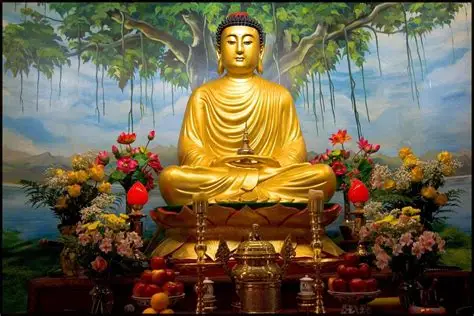
India is often called the birthplace of Buddhism, and its sacred sites continue to inspire millions of pilgrims and travelers. Buddhist Monasteries in India are not only places of worship but also centers of learning, meditation, and cultural preservation. These monasteries, spread across the Himalayas, plains, and coastal regions, offer a glimpse into centuries-old traditions and the timeless teachings of the Buddha.
Introduction to Buddhist Monasteries in India
Monasteries, or vihara, have been integral to Buddhism since its inception. They serve as spiritual retreats for monks and nuns, while also welcoming lay devotees and tourists. In India, monasteries are often located near important Buddhist sites, such as Bodh Gaya, Sarnath, and Nalanda, or in regions influenced by Tibetan Buddhism like Ladakh, Sikkim, and Arunachal Pradesh. Visiting these monasteries is a journey into peace, discipline, and cultural richness.
Importance of Buddhist Monasteries in India
- Spiritual Centers: Monasteries provide spaces for meditation, chanting, and rituals.
- Cultural Preservation: They safeguard Buddhist art, manuscripts, and traditions.
- Educational Role: Many monasteries function as schools for Buddhist philosophy.
- Tourism Growth: Monasteries attract international visitors, boosting local economies.
- Community Bonding: They serve as hubs for festivals, ceremonies, and social welfare.
Famous Buddhist Monasteries in India
1. Tawang Monastery (Arunachal Pradesh)
- One of the largest monasteries in India and the second largest in the world.
- Founded in the 17th century, it belongs to the Gelugpa sect of Tibetan Buddhism.
- Known for its grand assembly hall, library, and vibrant festivals.
2. Hemis Monastery (Ladakh)
- Famous for the annual Hemis Festival celebrating Guru Padmasambhava.
- Houses rare Buddhist relics and thangkas (scroll paintings).
- A major center of Drukpa lineage of Tibetan Buddhism.
3. Rumtek Monastery (Sikkim)
- Located near Gangtok, it is the seat of the Karmapa Lama.
- Known as the Dharma Chakra Centre, it preserves Tibetan Buddhist traditions.
- Features stunning architecture and a golden stupa.
4. Namdroling Monastery (Karnataka)
- Popularly called the Golden Temple, located in Bylakuppe.
- Houses thousands of monks and nuns.
- Known for its golden statues of Buddha and vibrant Tibetan culture.
5. Thiksey Monastery (Ladakh)
- Resembles the Potala Palace of Lhasa, Tibet.
- Famous for its 12-story complex and giant statue of Maitreya Buddha.
- Offers panoramic views of the Indus Valley.
6. Mindrolling Monastery (Dehradun, Uttarakhand)
- One of the largest Buddhist centers in India.
- Known for its 60-meter high stupa and institute for Buddhist studies.
- Attracts scholars and devotees from across the world.
7. Ghoom Monastery (Darjeeling, West Bengal)
- One of the oldest monasteries in Darjeeling.
- Houses a 15-foot statue of Maitreya Buddha.
- Famous for its collection of rare manuscripts.
Other Notable Buddhist Monasteries
- Spituk Monastery (Ladakh): Known for its annual Gustor Festival.
- Phodong Monastery (Sikkim): Famous for its vibrant Cham dances.
- Zangdok Palri Monastery (Kalimpong, West Bengal): Houses rare scriptures.
- Shanti Stupa (Leh, Ladakh): Built to promote peace and harmony.
Festivals at Buddhist Monasteries in India
Monasteries are vibrant during festivals, which combine spirituality with cultural performances:
- Hemis Festival (Ladakh): Masked dances and rituals.
- Losar (Tibetan New Year): Celebrated in monasteries across Ladakh and Sikkim.
- Buddha Purnima: Observed at monasteries nationwide.
- Cham Dance Festivals: Monks perform ritual dances wearing masks.
Role of Buddhist Monasteries in Tourism
- Pilgrimage Tourism: Monasteries are sacred destinations for devotees.
- Cultural Tourism: Visitors experience Tibetan art, music, and rituals.
- Educational Tourism: Scholars study Buddhist philosophy and history.
- Economic Impact: Local businesses benefit from monastery tourism.
Challenges Facing Buddhist Monasteries in India
- Preservation Issues: Ancient structures require conservation.
- Overcrowding: Popular monasteries face heavy tourist footfall.
- Commercialization: Excessive tourism can dilute spiritual essence.
- Environmental Concerns: Himalayan monasteries face climate change threats.
Sustainable Tourism in Buddhist Monasteries
To protect heritage and promote responsible travel:
- Encourage eco-friendly practices in monasteries.
- Limit plastic use and promote cleanliness.
- Support local communities through fair trade.
- Educate visitors about Buddhist values of compassion and respect.
Future of Buddhist Monasteries in India
The future looks promising with:
- Digital Promotion: Virtual tours and online teachings.
- Global Collaboration: International Buddhist communities supporting Indian monasteries.
- Smart Infrastructure: Improved facilities for pilgrims and tourists.
- Cultural Integration: Linking monasteries with wellness and meditation retreats.
Conclusion
Buddhist Monasteries in India are not just religious centers—they are living embodiments of peace, wisdom, and cultural heritage. From Tawang’s grandeur to Hemis’ vibrant festivals, from Rumtek’s spiritual aura to Namdroling’s golden statues, these monasteries offer journeys that are both spiritual and cultural. As India continues to preserve and promote its Buddhist traditions, monasteries will remain central to global spiritual tourism, inviting travelers to experience the timeless teachings of the Buddha.