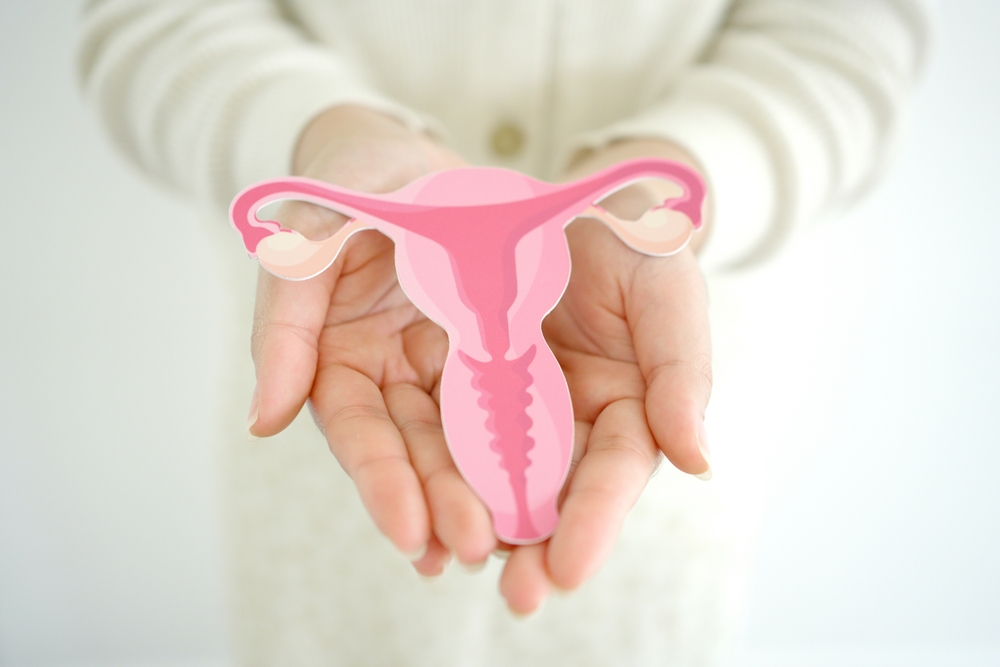
A Pap smear Dubai is a routine medical test used to screen for cervical cancer and detect precancerous or abnormal changes in the cells of the cervix. Regular screening is an essential part of preventive women’s healthcare, allowing early detection and timely treatment, which significantly reduces the risk of cervical cancer.
Understanding what to expect during a Pap smear Dubai test can help women feel more comfortable, prepared, and informed about this important procedure.
Purpose of a Pap Smear
Detecting Cervical Abnormalities
A Pap smear identifies abnormal cervical cells caused by:
- Human papillomavirus (HPV) infection
- Precancerous changes
- Early-stage cervical cancer
Preventive Health Screening
Even when no symptoms are present, routine screening helps detect issues early, making treatment more effective.
Preparation for a Pap Smear Dubai
Scheduling the Test
- Typically performed every 3 years for women aged 21–65, depending on medical history and previous results
- Some doctors recommend combining Pap smear with HPV testing for women over 30
Before the Test
To ensure accurate results:
- Avoid vaginal intercourse, douching, or using tampons 24–48 hours prior
- Refrain from using vaginal creams, medications, or spermicides before the test
- Schedule the test when not menstruating, if possible, as blood can affect results
Medical History Review
The doctor may ask about:
- Previous Pap smear results
- HPV vaccination history
- Menstrual cycle and gynecological history
- Any symptoms like unusual bleeding or discharge
Procedure of a Pap Smear Dubai Test
Step 1: Positioning
- The patient lies on an examination table with feet in stirrups
- This position allows the doctor to access the cervix easily
Step 2: Using a Speculum
- A speculum is gently inserted into the vagina to hold it open
- This allows visualization of the cervix and ensures accurate sample collection
Step 3: Collecting Cells
- The doctor uses a soft brush or small spatula to collect cells from the cervical surface and the cervical canal
- The process usually takes a few seconds and is generally not painful, though some may experience mild discomfort
Step 4: Sample Preparation
- The collected cells are placed in a solution or on a slide for laboratory analysis
- The lab examines the sample for abnormal, precancerous, or cancerous cells
Step 5: Completing the Exam
- The speculum is removed
- The doctor may perform a brief pelvic exam to check for other issues
- The procedure typically lasts 5–10 minutes
After the Pap Smear Test
Immediate Care
- Some women may experience light spotting or mild cramping for a day or two
- Normal daily activities can usually be resumed immediately
Receiving Results
- Results are typically available in 1–2 weeks
- Results may be classified as:
- Normal: No abnormal cells detected
- Abnormal/ASC-US: Minor changes; follow-up may be required
- Precancerous or high-risk changes: May require colposcopy or further evaluation
Importance of Regular Pap Smear Screening
Early Detection Saves Lives
- Detecting abnormalities early allows for treatment before cancer develops
- Women with regular screenings have significantly lower rates of cervical cancer
Monitoring for High-Risk Individuals
- Women with HPV infections, weakened immune systems, or a family history of cervical cancer may require more frequent screening
Integration with Preventive Care
- Pap smear tests are often combined with HPV testing, pelvic exams, and general women’s health check-ups
FAQs About Pap Smear Dubai
Does the Pap smear test hurt?
Most women experience mild discomfort or pressure. Pain is usually minimal and brief.
How often should I get a Pap smear?
Generally every 3 years for women aged 21–65. Women over 30 may combine Pap smear with HPV testing every 5 years.
Can I have a Pap smear during my period?
It is better to schedule the test when not menstruating to avoid inaccurate results.
What if my Pap smear result is abnormal?
Abnormal results do not always indicate cancer. Your doctor may recommend a repeat test or a colposcopy for further evaluation.
Does a Pap smear test detect sexually transmitted infections?
Pap smears primarily detect cervical cell abnormalities. Some STIs may be detected incidentally, but separate STI testing is recommended if needed.
Conclusion
A Pap smear Dubai is a simple, quick, and highly effective screening test that plays a critical role in preventive women’s healthcare. Understanding what to expect during the procedure, from preparation to results, helps reduce anxiety and encourages regular participation.
Regular screening, timely follow-up for abnormal results, and consultation with a healthcare provider are essential for early detection of cervical abnormalities. By prioritizing routine Pap smears, women in Dubai can take proactive steps to protect their reproductive health, prevent cervical cancer, and ensure long-term wellness.