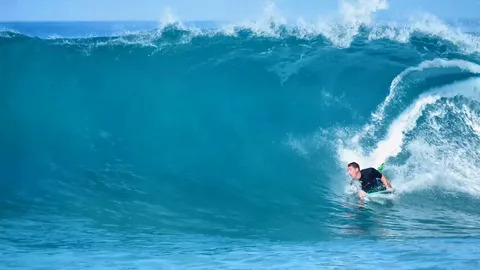
Surfing Big Island Hawaii
Hawaii is known around the world for its beautiful beaches, warm ocean water, and strong surfing culture. Among the Hawaiian Islands, the Big Island offers a unique surfing experience that combines natural beauty, local traditions, and waves for different skill levels. Surfing Big Island Hawaii is more than an exciting water activity. It is also a chance to enjoy the island’s coastal scenery, learn about Hawaiian culture, and experience the ocean in a memorable way.
The Big Island, officially known as Hawaiʻi Island, has a diverse coastline with rocky shores, sandy beaches, and different types of surf breaks. Some locations are better suited to experienced surfers, while others may offer more suitable conditions for beginners when the ocean is calm and the waves are manageable.
For visitors who have never surfed before, professional instruction can make the experience safer and more enjoyable. Families can also explore surfing lessons designed to introduce children and adults to the sport together.
Understanding what makes the Big Island special helps visitors choose suitable surf locations, prepare for changing ocean conditions, and make the most of their time in Hawaii.
1. What Makes Surfing on the Big Island Different?
A Unique Combination of Waves and Scenery
The Big Island has a coastline shaped by volcanic activity. Its black lava rocks, sandy beaches, and clear Pacific waters create a setting that looks different from many other surfing destinations.
Unlike some famous surf destinations known mainly for large waves, the Big Island offers a mix of surf experiences. Certain beaches are more suitable for beginners, while other breaks challenge surfers with stronger waves, currents, and reef conditions.
A Surfing Destination with Cultural Roots
Surfing has deep roots in Hawaiian history. Traditionally known as heʻe nalu, meaning wave sliding, surfing was an important part of Hawaiian life and culture.
Today, surfing remains closely connected to local identity. Visitors who take lessons from local instructors can learn more than basic surfing techniques. They can also gain a better understanding of ocean respect, local traditions, and the importance of caring for Hawaii’s coastal environment.
This combination of culture, nature, and adventure makes the Big Island a special place to experience surfing.
2. The Best Places for Surfing Big Island Hawaii
One of the most important parts of planning a surf adventure is choosing the right beach. The Big Island has several surfing locations, but each offers different conditions and skill requirements.
Kahaluʻu Beach Park: A Good Starting Point for Beginners
Located in the Keauhou area near Kailua-Kona, Kahaluʻu Beach Park is one of the better-known places for beginner surfing.
Its conditions can be suitable for learning when the waves are manageable. The beach is also popular for snorkeling and other ocean activities.
Beginners should still understand that the area has coral reefs, rocks, and changing currents. Proper instruction and attention to ocean conditions are important.
Kohanaiki Beach: For More Experienced Surfers
Kohanaiki Beach, north of Kona International Airport, is another popular surf location. However, it is generally more appropriate for intermediate and experienced surfers.
Reef conditions, currents, and wave strength can make this location challenging for people without enough surfing experience.
Beginners should not assume that every beautiful Hawaiian beach is suitable for learning. Checking conditions and seeking local advice can help surfers choose an appropriate location.
Honoliʻi Beach Park: A Popular Hilo Surfing Spot
On the eastern side of the island, Honoliʻi Beach Park is known for its surfing opportunities, particularly during seasonal swells.
It attracts experienced surfers who enjoy more challenging conditions. However, strong currents and the nearby river mouth can create hazards.
Honoliʻi is not an ideal place for inexperienced surfers to enter the water without professional guidance.
Important: Surf conditions can change quickly. A beach that looks calm from shore may have underwater currents or other hazards. Visitors should check local conditions and follow lifeguard instructions before entering the ocean.
3. Surfing Lessons for Beginners: How to Get Started
Learning to surf can seem difficult at first. Balancing on a moving board, understanding waves, and paddling through the water all require practice.
However, surfing lessons for beginners do not need previous surfing experience to get started. The right instruction, suitable conditions, and a beginner-friendly surfboard can make the learning process easier.
Learn the Basic Surfing Techniques
Most beginner lessons introduce students to several important skills:
-
Board positioning: Learning where to lie on the surfboard for better balance.
-
Paddling: Using the arms efficiently to move through the water.
-
Wave awareness: Understanding how waves form, break, and move toward shore.
-
The pop-up: Moving from a lying position into a standing surfing position.
-
Balance and stance: Keeping the body stable while riding a wave.
-
Ocean safety: Recognizing currents, obstacles, and other potential hazards.
These skills create a foundation for future surfing sessions.
Why Professional Instruction Matters
A professional instructor can help beginners understand the ocean before they attempt to catch a wave.
Instead of struggling to learn everything independently, students receive guidance on positioning, timing, and technique. Instructors can also recommend suitable learning locations based on the day’s conditions.
For first-time surfers, this support can make the experience less intimidating.
What Should Beginners Bring?
Before attending a lesson, beginners should prepare a few basic items:
-
Comfortable swimwear.
-
A towel and a change of clothes.
-
Reef-conscious sunscreen.
-
Drinking water.
-
A reusable water bottle.
-
Any personal medication needed during outdoor activities.
Surfboards and other lesson equipment may be provided by the surf school, but visitors should confirm this when booking.
4. Kids and Family Surf Lessons Kailua-Kona: An Adventure for Everyone
Surfing can be a memorable family activity on the Big Island. Instead of spending the entire vacation visiting beaches or sightseeing, families can enjoy an experience that encourages teamwork, confidence, and outdoor activity.
Kids and family surf lessons Kailua-Kona are particularly appealing to parents who want children to experience the ocean in a structured learning environment.
Why Children Can Enjoy Learning to Surf
Surfing introduces children to new physical skills while encouraging them to become more comfortable around the ocean.
Some benefits include:
-
Developing balance and coordination.
-
Improving body awareness.
-
Building confidence through practice.
-
Learning to follow safety instructions.
-
Developing respect for marine environments.
-
Enjoying an outdoor activity with family members.
Children can also experience the excitement of catching their first wave. Even small achievements, such as learning to balance on a board, can make a lesson rewarding.
Choosing the Right Family Surf Lesson
Every family has different needs. Some children may feel comfortable in the water, while others may need more time to develop confidence.
Parents should consider the following before booking:
Age and swimming ability: Ask the instructor about suitable age requirements and swimming expectations.
Instructor attention: Younger children and first-time surfers may benefit from smaller groups or private instruction.
Ocean conditions: Lessons should take place only when conditions are suitable for the participants.
Equipment: Check whether appropriate surfboards and protective equipment are included.
Lesson duration: Children may need breaks and a comfortable learning pace.
Making the Experience Enjoyable
Parents can help children enjoy their first surfing experience by keeping expectations realistic.
Standing up on the first attempt is not necessary. Learning how to paddle, understanding the waves, and becoming comfortable on the board are valuable achievements.
A supportive instructor and a positive family atmosphere can make the experience enjoyable, even when progress takes time.
5. Local Boys Surf Adventure: Experience Local Surfing Instruction
For visitors interested in learning from local instructors, Local Boys Surf Adventure is one option to explore in Kailua-Kona.
The business focuses on surf instruction for different experience levels, including beginners, families, and surfers looking to improve their technique.
Its approach connects surfing instruction with local ocean knowledge and Hawaiian surf culture.
Beginner-Friendly Surf Instruction
According to its website, Local Boys Surf Adventure offers beginner lessons that introduce students to ocean awareness, paddling, wave timing, and basic surfing techniques.
These lessons are designed for people who are new to surfing and want guidance while learning the fundamentals.
Having an instructor explain how to position the board and approach a wave can help beginners understand the sport more quickly.
Different Lesson Options
Local Boys Surf Adventure lists several lesson formats to accommodate different learning preferences.
These include:
-
Private lessons: An option for surfers who prefer individual attention or tandem instruction.
-
Semi-private lessons: Suitable for small groups, with a minimum of two surfers.
-
Group lessons: Designed for groups of at least four participants.
-
Large group lessons: Available for groups of at least eight participants.
-
Intermediate and advanced coaching: Focused on improving technique, wave selection, and surfing performance.
The business also advertises guided surf tours for experienced surfers.
Lesson availability, prices, and conditions should be confirmed directly with the provider before booking.
A Good Option for Families
The company’s kids and family lessons are designed to help adults and children learn together in an encouraging environment.
Instruction focuses on basic techniques, ocean awareness, and helping participants understand when and where to catch waves.
For families visiting Kailua-Kona, this can provide an opportunity to share a new experience rather than simply watching others surf.
Visitors can learn more about lesson options through the official website Local Boys Surf Adventure.
6. The Best Time of Year to Surf on the Big Island
The Big Island offers surfing opportunities throughout the year, but the ocean does not remain the same in every season.
Wave size, wind direction, and weather patterns can influence which beaches offer suitable surfing conditions.
Understanding seasonal changes helps visitors plan their surfing activities more effectively.
Winter Surfing: November Through April
Winter brings powerful Pacific swells to many northern and western shores of Hawaii.
These waves can create exciting conditions for experienced surfers. However, they can also make some beaches dangerous for beginners and inexperienced swimmers.
During this season, surfers should pay close attention to high-surf warnings and local ocean reports.
The Kona coastline may experience different conditions from other parts of the island, so visitors should avoid assuming that every beach has the same wave pattern.
Summer Surfing: May Through October
Summer often brings calmer conditions to many beaches, although larger swells can still reach certain shorelines.
South-facing beaches may receive swells generated by storms in the Southern Hemisphere. Meanwhile, trade winds can affect conditions along the eastern and northern shores.
This season may offer suitable learning opportunities at selected locations, depending on daily conditions.
Why Checking Daily Conditions Matters
There is no single month that guarantees perfect surfing weather.
Before heading out, surfers should check:
-
Local surf forecasts.
-
Wave height and direction.
-
Wind speed and direction.
-
Tide information.
-
Weather conditions.
-
Beach warning signs.
-
Lifeguard recommendations.
Beginners should arrange lessons around suitable conditions rather than choosing a session based only on convenience.
7. Essential Safety Tips for an Enjoyable Surfing Experience
Surfing is exciting, but the ocean can be unpredictable. Even experienced surfers need to understand the conditions before entering the water.
The Big Island has volcanic coastlines, coral reefs, strong currents, and powerful waves. Following basic safety practices can reduce unnecessary risks.
Choose a Beach That Matches the Skill Level
Not every surf break is suitable for every surfer.
Beginners should choose locations recommended by qualified instructors or lifeguards. More challenging beaches should be left to surfers with the experience needed to handle their conditions.
Understand Ocean Hazards
Several hazards can affect surfers on the Big Island:
-
Rip currents: Powerful channels of water that move away from shore.
-
Reef and rocks: Underwater obstacles that can cause cuts or serious injuries.
-
Shore break: Waves that break close to the beach in shallow water.
-
Large swells: Powerful waves that may overwhelm inexperienced surfers.
-
Changing weather: Sudden weather changes can make ocean activities more dangerous.
Learning to recognize these hazards is an important part of surfing education.
Follow Local Guidance
Visitors should respect local surfers, beach rules, and the natural environment.
They should avoid dropping in on another surfer’s wave, interfering with other people in the lineup, or entering areas they do not understand.
Respect for local surfing etiquette helps create a better experience for everyone.
Protect the Ocean Environment
The Big Island’s coastal environment is an important part of its appeal.
Surfers can help protect it by using reef-conscious sunscreen, avoiding contact with coral, carrying away their trash, and respecting marine wildlife.
They should also avoid stepping on fragile reef formations whenever possible.
Following these simple practices helps preserve Hawaii’s natural beauty for future visitors and local communities.
Frequently Asked Questions
1. Is surfing Big Island Hawaii suitable for beginners?
Yes. The Big Island has locations that can be suitable for beginner surfers. Kahaluʻu Beach Park near Kailua-Kona is a recognized learning location. However, conditions change, so beginners should take professional lessons and follow local safety guidance.
2. What is the best place to learn surfing in Kailua-Kona?
Kahaluʻu Beach Park is one of the best-known beginner surfing locations in the Kona area. Its conditions can be suitable for learning when the waves are manageable. A local instructor can help identify the safest area for a lesson.
3. Are kids and family surf lessons available in Kailua-Kona?
Yes. Some local surf schools, including Local Boys Surf Adventure, offer kids and family lessons. Parents should confirm age requirements, swimming expectations, group arrangements, and ocean conditions before booking.
4. Does Local Boys Surf Adventure provide lessons for complete beginners?
Yes. Local Boys Surf Adventure advertises beginner lessons that cover ocean awareness, paddling, wave timing, and basic surfing techniques. Visitors can contact the company directly to confirm current availability, pricing, and equipment arrangements.
Conclusion
Surfing Big Island Hawaii offers a special combination of natural beauty, Hawaiian culture, and exciting ocean adventures. From the beginner-friendly opportunities around Kahaluʻu Beach to the more challenging waves found at other locations, the island provides different experiences for surfers with varying abilities.
For first-time surfers, professional instruction can make learning easier and help build confidence in the water. Families can also enjoy sharing the experience through kids and family surf lessons in Kailua-Kona.
Choosing the right beach, checking ocean conditions, and respecting local surf culture are essential parts of a successful adventure.
For visitors ready to experience surfing on the Kona Coast, exploring lesson options with Local Boys Surf Adventure can be a great first step. With the right preparation and guidance, the Big Island can become the setting for an unforgettable surfing experience.