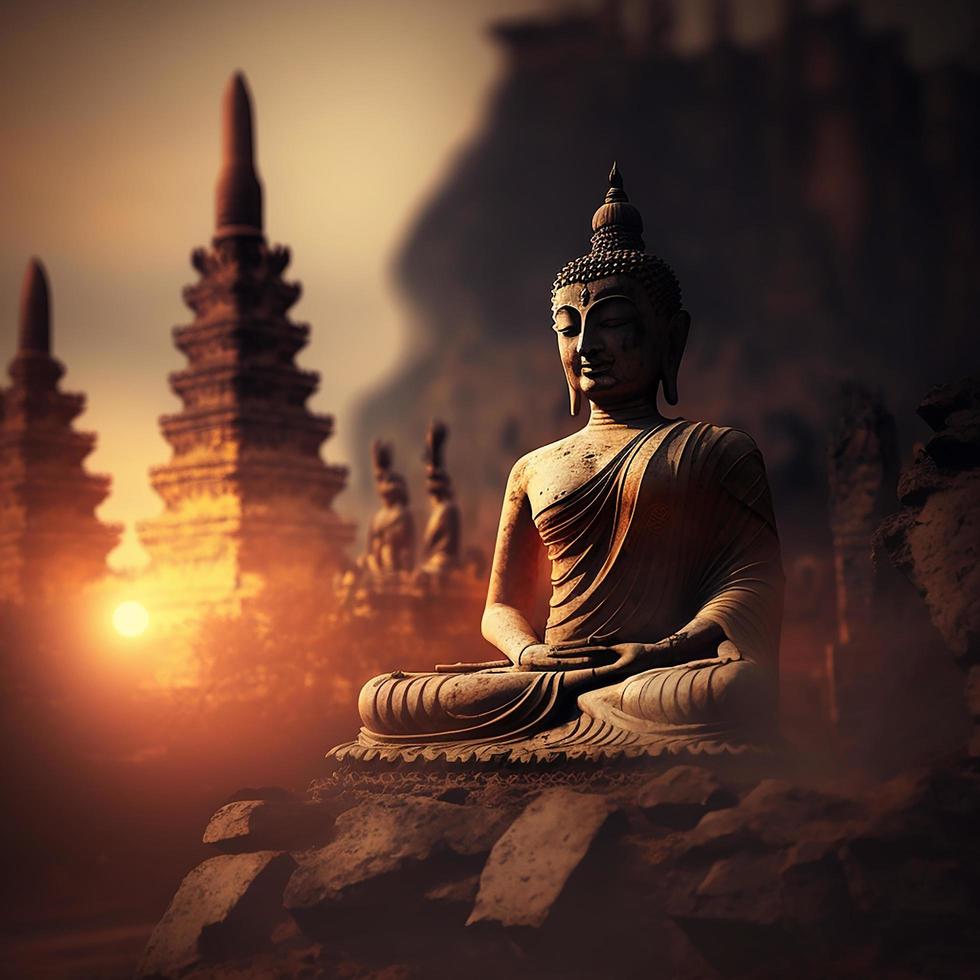
India is often described as the birthplace of spirituality, and Buddhism is one of the most profound traditions that originated here. Popular Buddhist Destinations in India attract millions of pilgrims, scholars, and travelers from across the globe. These sacred sites are not only places of worship but also centers of history, culture, and philosophy. From Bodh Gaya, where the Buddha attained enlightenment, to Sarnath, where he delivered his first sermon, India offers a spiritual journey that is both enriching and transformative.
Introduction to Buddhist Tourism in India
Buddhism was founded in the 6th century BCE by Siddhartha Gautama, who later became known as the Buddha. His teachings spread across Asia and the world, but India remains the heartland of Buddhist heritage. Pilgrimage to Buddhist destinations is considered a sacred journey, offering devotees and tourists alike a chance to connect with the life and teachings of the Buddha. These destinations are also UNESCO World Heritage Sites and cultural landmarks, making them important for both spiritual and historical tourism.
Importance of Popular Buddhist Destinations in India
- Spiritual Significance: Pilgrims visit these sites to meditate, pray, and seek inner peace.
- Historical Value: Ancient monasteries, stupas, and inscriptions preserve Buddhist history.
- Cultural Exchange: These destinations attract international visitors, fostering global harmony.
- Tourism Growth: Buddhist circuits contribute significantly to India’s tourism economy.
- Educational Role: Scholars and students study Buddhist philosophy and archaeology here.
Major Popular Buddhist Destinations in India
1. Bodh Gaya (Bihar)
- The most sacred Buddhist site in the world.
- It was here that Siddhartha Gautama attained enlightenment under the Bodhi tree.
- The Mahabodhi Temple, a UNESCO World Heritage Site, is the centerpiece.
- Pilgrims meditate near the Bodhi tree and visit monasteries built by countries like Thailand, Japan, and Myanmar.
2. Sarnath (Uttar Pradesh)
- Located near Varanasi, Sarnath is where Buddha delivered his first sermon after enlightenment.
- The Dhamek Stupa and Ashoka Pillar are major attractions.
- The site also houses the Archaeological Museum with Buddhist relics.
3. Kushinagar (Uttar Pradesh)
- The place where Buddha attained Mahaparinirvana (final liberation).
- The Mahaparinirvana Temple and Ramabhar Stupa are key sites.
- Pilgrims from across Asia visit to pay homage.
4. Rajgir (Bihar)
- Buddha spent several years here preaching.
- The Gridhakuta Hill (Vulture’s Peak) was one of his favorite meditation spots.
- Rajgir also hosts the Vishwa Shanti Stupa (World Peace Pagoda).
5. Nalanda (Bihar)
- Famous for the ancient Nalanda University, one of the world’s oldest centers of learning.
- Scholars from across Asia studied Buddhist philosophy here.
- The ruins of monasteries and temples are UNESCO-listed.
6. Shravasti (Uttar Pradesh)
- Buddha spent 24 rainy seasons here, delivering many sermons.
- Jetavana Monastery is a major attraction.
- The site is significant for both historical and spiritual tourism.
7. Lumbini (Nepal, near India)
- Though located in Nepal, Lumbini is closely linked to Indian Buddhist circuits.
- It is the birthplace of Buddha and attracts pilgrims from India and beyond.
Other Notable Buddhist Destinations
- Ajanta & Ellora Caves (Maharashtra): Rock-cut caves with Buddhist paintings and sculptures.
- Tawang Monastery (Arunachal Pradesh): One of the largest monasteries in India.
- Rumtek Monastery (Sikkim): A center of Tibetan Buddhism.
- Namdroling Monastery (Karnataka): Known as the Golden Temple, it is a hub for Tibetan monks.
Festivals and Events at Buddhist Destinations
- Buddha Purnima: Celebrated at Bodh Gaya, Sarnath, and Kushinagar.
- International Buddhist Conclave: Promotes Buddhist tourism and cultural exchange.
- Local Monastery Festivals: Tibetan and Himalayan monasteries host colorful events.
Role of Popular Buddhist Destinations in India’s Economy
- Tourism Revenue: Pilgrimage and cultural tourism generate significant income.
- Employment: Guides, artisans, and hospitality workers benefit.
- Infrastructure Development: Roads, hotels, and transport improve around these sites.
- Global Tourism: Attracts visitors from countries like Japan, Sri Lanka, Thailand, and Myanmar.
Challenges in Buddhist Tourism
- Infrastructure Gaps: Some sites lack modern facilities.
- Overcrowding: Popular destinations face heavy footfall during festivals.
- Preservation Issues: Ancient monuments require careful conservation.
- Awareness: Many lesser-known sites remain under-promoted.
Sustainable Buddhist Tourism
To preserve heritage and promote responsible travel:
- Encourage eco-friendly practices at pilgrimage sites.
- Limit plastic use and promote cleanliness.
- Support local communities through fair trade.
- Promote digital awareness campaigns for global tourists.
Future of Popular Buddhist Destinations in India
The future looks promising with:
- Digital Pilgrimage Services: Virtual tours and online darshan.
- Global Promotion: Showcasing Buddhist circuits internationally.
- Smart Infrastructure: Better transport, accommodation, and safety measures.
- Cultural Integration: Linking Buddhist tourism with wellness and meditation retreats.
Conclusion
Popular Buddhist Destinations in India are not just places of worship—they are living testaments to the life and teachings of the Buddha. From Bodh Gaya’s sacred Bodhi tree to Nalanda’s ancient university, these sites offer journeys of faith, history, and discovery. As India continues to preserve and promote its Buddhist heritage, these destinations will remain central to global spiritual tourism, inviting travelers to experience peace, wisdom, and cultural richness.