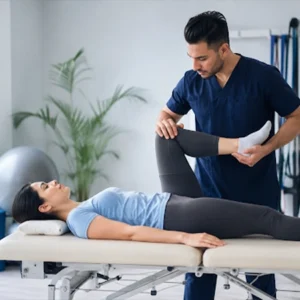
Mobility plays an essential role in everyday activities, physical independence, and overall quality of life. Whether someone is recovering from an injury, managing stiffness, or seeking to improve movement, a structured physiotherapy program can help address individual needs. Choosing a suitable Physiotherapy Clinic Dubai provides an opportunity to explore professional assessment, personalized rehabilitation, and exercises designed to support functional movement.
At Vitruvian Physio Center, mobility programs can be tailored to individual physical abilities, movement limitations, and recovery goals. A well-planned physiotherapy approach considers the underlying cause of discomfort, current fitness levels, and the activities a person wants to perform more comfortably.
Understanding Mobility and Physiotherapy
Mobility refers to the ability to move joints and body parts through the ranges required for daily activities. It involves flexibility, muscle strength, coordination, balance, and joint function. When one or more of these elements are affected, tasks such as walking, bending, climbing stairs, or reaching overhead may become difficult.
Physiotherapy uses assessment, therapeutic exercises, movement training, and other appropriate interventions to help improve physical function. The treatment approach depends on the individual’s condition and may change as movement and strength improve.
A structured program aims to address current limitations while helping individuals develop the skills and confidence needed to maintain their progress.
The Importance of Personalized Mobility Programs
Every individual has different physical requirements, medical circumstances, and recovery goals. A program designed for an athlete returning to training may differ considerably from one intended for an older adult experiencing balance difficulties or someone recovering from surgery.
At Vitruvian Physio Center, personalized mobility planning can begin with a review of symptoms, medical history, movement patterns, and functional limitations. The physiotherapist may assess joint range of motion, muscle strength, posture, balance, and walking ability when appropriate.
The findings help guide the selection of exercises and determine which activities should be modified. Setting measurable goals also makes it easier to evaluate progress and adjust the program as necessary.
How to Choose the Best Physiotherapist Dubai
Finding the Best Physiotherapist Dubai involves considering professional qualifications, relevant clinical experience, communication, and the ability to develop an individualized treatment plan.
A suitable physiotherapist should explain the assessment findings, discuss available treatment options, and help patients understand the purpose of recommended exercises. Treatment goals should be realistic and based on individual needs rather than a standard routine applied to everyone.
Patients should also feel comfortable discussing pain, concerns, and difficulties completing exercises. Clear communication supports collaboration and helps ensure that the program remains appropriate throughout recovery.
Key Components of an Effective Mobility Program
Range-of-Motion Exercises
Range-of-motion exercises help maintain or improve the movement available at a joint. Depending on the condition, exercises may involve active movement performed independently or assisted movement guided by a healthcare professional.
These exercises can be useful when stiffness develops after inactivity, injury, or surgery. They should be performed within appropriate limits, particularly when pain or inflammation is present.
Strengthening Exercises
Muscle strength supports joint stability, posture, balance, and everyday movement. Physiotherapy programs may include bodyweight exercises, resistance bands, or carefully selected weights according to the patient’s abilities.
Strengthening can help individuals perform functional tasks more comfortably and develop greater control during movement. Exercise intensity should progress gradually to avoid excessive strain.
Balance and Coordination Training
Balance training can support stability during standing, walking, and changes in direction. Exercises may include controlled weight shifting, supported single-leg standing, or walking activities selected according to the individual’s needs.
Coordination exercises help improve the ability to control movement accurately. These activities may be particularly relevant for individuals experiencing balance difficulties or returning to everyday activities after an injury.
Functional Movement Training
Functional training focuses on movements used in daily life, such as sitting down, standing up, climbing stairs, lifting objects, and walking on different surfaces.
Practising these movements in a controlled environment can help individuals build confidence and improve their ability to perform daily tasks. The exercises should reflect personal goals and be adapted as physical capacity changes.
Physiotherapy for Injury Recovery
Injuries can affect mobility by causing pain, swelling, muscle weakness, or reduced joint movement. Rehabilitation may help restore function through a staged approach that takes the injury’s nature and severity into account.
Early treatment may focus on protecting the affected area, managing symptoms, and maintaining safe movement. Later stages may emphasize strength, flexibility, coordination, and gradual return to normal activities.
The timing of progression varies. Returning to demanding exercise too quickly can increase the risk of reinjury, so recovery milestones should be guided by clinical assessment and individual progress.
Improving Mobility for Long-Term Well-Being
Mobility programs can support long-term physical function by encouraging consistent movement and helping individuals address limitations before they interfere significantly with daily activities.
Regular exercise, appropriate warm-ups, strength training, and movement breaks during prolonged sitting can contribute to maintaining physical capacity. However, persistent or unexplained pain should be assessed rather than managed through exercise alone.
Physiotherapy can also help individuals understand how to modify activities, improve movement techniques, and develop routines that fit their lifestyles. Continued home exercises may be recommended to maintain improvements after supervised sessions end.
The Role of Progress Monitoring
Monitoring progress helps determine whether a mobility program is achieving its intended goals. A physiotherapist may reassess joint movement, strength, balance, walking patterns, and the ability to perform specific tasks.
Patient feedback is equally important. Changes in pain, fatigue, confidence, and daily function can help guide adjustments to exercise selection and intensity.
If progress slows or symptoms worsen, the program may need to be reviewed. In some circumstances, additional medical evaluation may be necessary to investigate an underlying issue.
Frequently Asked Questions
What is a mobility program in physiotherapy?
A mobility program is an individualized set of exercises and therapeutic activities designed to improve movement, flexibility, strength, balance, and functional ability.
How often should I attend physiotherapy sessions?
The recommended frequency depends on the condition, treatment goals, symptom severity, and response to rehabilitation. A physiotherapist can suggest an appropriate schedule following assessment.
Can physiotherapy help after surgery?
Physiotherapy may support recovery after many surgical procedures. The exercises and timing must follow the surgeon’s instructions and account for the specific procedure and healing stage.
Are mobility exercises suitable for older adults?
Many older adults can benefit from appropriately selected mobility, strength, and balance exercises. The program should consider medical conditions, fall risk, and current physical abilities.
When should I seek a physiotherapy assessment?
An assessment may be helpful when stiffness, reduced movement, weakness, or ongoing discomfort affects daily activities. Severe pain, sudden weakness, or symptoms following a significant injury may require prompt medical evaluation.
Conclusion
Effective mobility programs combine individualized assessment, targeted exercises, functional training, and regular progress monitoring. By addressing movement limitations and developing practical exercise routines, physiotherapy can help individuals work toward improved physical function and greater independence.
Vitruvian Physio Center is a starting point for exploring physiotherapy options and developing a mobility program suited to personal needs. With appropriate professional guidance and consistent participation, individuals can work toward sustainable movement improvements and better management of everyday physical demands.