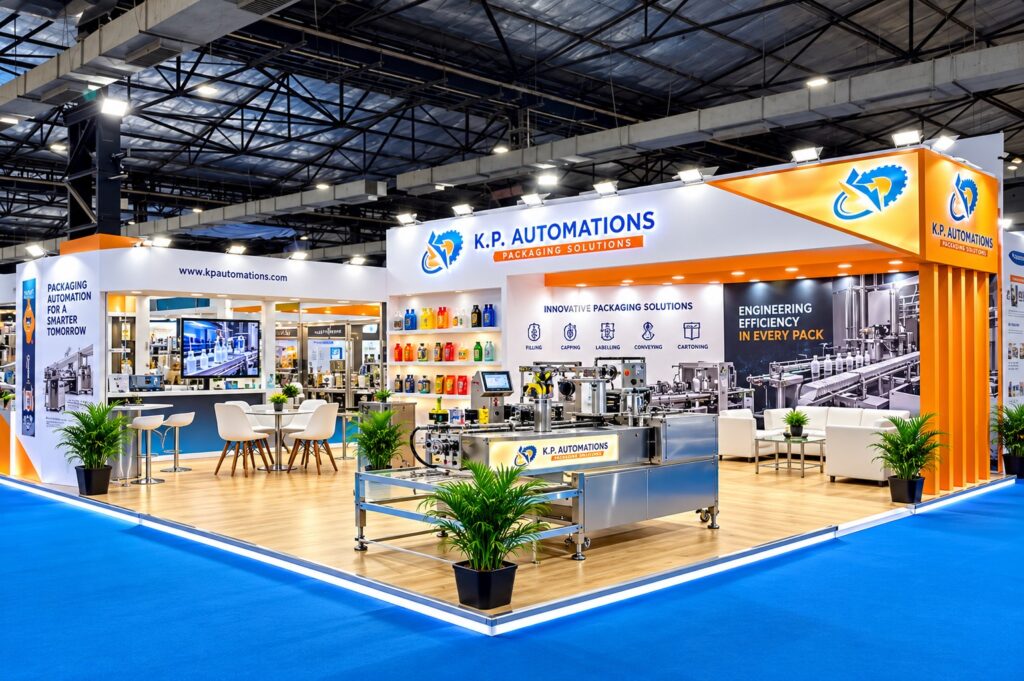
Pasta Making Machine
In the competitive food manufacturing industry, product consistency is essential for building customer trust and maintaining a strong market presence. Pasta manufacturers must ensure that every production batch meets the required standards for shape, texture, appearance, and moisture content. Achieving these results requires suitable machinery, controlled processes, and reliable equipment integration.
A high-quality pasta making machine plays an important role in this process. From dough preparation and extrusion to shaping and drying, each stage contributes to the final product. Manufacturers that invest in appropriate machinery can establish more organized production operations and respond more effectively to changing market requirements.
KP AUTOMATIONS provides pasta manufacturing machinery and production solutions for businesses looking to improve their manufacturing capabilities. With experience dating back to 1998, the company serves manufacturers seeking equipment for different pasta varieties and production requirements.
Why Production Quality Starts with the Right Machinery
Pasta quality depends on several interconnected manufacturing factors. Raw material selection, dough consistency, extrusion conditions, die design, cutting, and drying all influence the finished product.
A suitable machine should support the manufacturer’s product range and production objectives. For example, producing macaroni requires different shaping arrangements from manufacturing spaghetti or fettuccine.
Before choosing machinery, manufacturers should evaluate:
- The types of pasta they intend to manufacture.
- Required production capacity and operating hours.
- Raw material characteristics and processing requirements.
- The level of automation needed.
- Compatibility with drying and packaging equipment.
- Cleaning, maintenance, and operator requirements.
Considering these factors helps manufacturers select machinery that supports consistent production rather than focusing only on output capacity.
Industrial Pasta Making Machine: Managing Large-Scale Production
For commercial food manufacturers, an industrial pasta making machine must support demanding production schedules while maintaining controlled operating conditions.
Industrial pasta production generally involves coordinated equipment for mixing, extrusion, shaping, cutting, and drying. When these stages are planned as a connected process, manufacturers can manage material flow more efficiently and reduce unnecessary handling.
Important features to consider when evaluating industrial machinery include:
Production capacity: The equipment should match the factory’s planned output and expected market demand.
Process control: Suitable controls help operators manage production settings and maintain repeatable operating conditions.
Die flexibility: Different dies allow manufacturers to produce a variety of pasta shapes according to market requirements.
Equipment integration: The extrusion section should work effectively with downstream drying and packaging systems.
Maintenance accessibility: Routine inspection and servicing should be considered during equipment selection and factory layout planning.
A properly configured industrial production system can help manufacturers establish a dependable foundation for long-term operations.
Selecting a Pasta Machine for Different Product Requirements
Every pasta manufacturer has different product and operational priorities. Some businesses focus on traditional short-cut products, while others manufacture long-cut varieties or offer a broader product portfolio.
When comparing a pasta machine, buyers should examine the machine’s intended applications and compatibility with their production plans.
For short-cut pasta, manufacturers may require dies and cutting arrangements for products such as macaroni, fusilli, and other shapes. Long-cut pasta production may require specialized handling and cutting arrangements for spaghetti, linguine, and fettuccine.
The choice of machinery should also account for the drying method and packaging format. A machine that fits one production arrangement may not automatically suit another.
Working with an experienced machinery manufacturer can help businesses understand the equipment configuration required for their particular manufacturing objectives.
How a Fully Automatic Pasta Making Machine Supports Process Control
Automation has become an important consideration for modern pasta factories. A fully automatic pasta making machine can coordinate multiple production activities and reduce the need for repetitive manual intervention.
Depending on the system configuration, automated machinery may integrate dough preparation, extrusion, shaping, cutting, and connections to other production equipment.
Some potential operational advantages include:
- More organized coordination between production stages.
- Reduced repetitive manual handling.
- Better management of operating parameters.
- Improved production planning.
- Greater suitability for continuous manufacturing arrangements.
Automation does not eliminate the need for trained operators. Staff must still monitor equipment, follow operating procedures, inspect products, and carry out routine maintenance.
The most effective automation strategy is one that matches the factory’s production requirements and the capabilities of its workforce.
Understanding Automatic Pasta Making Machine Technology
An automatic pasta making machine can help manufacturers manage important production activities through controlled machinery operations.
The extrusion stage is particularly important. Prepared dough passes through a die that determines the pasta’s shape and dimensions. The quality of the finished product depends on appropriate material preparation, equipment settings, and process management.
Manufacturers should discuss the following points with their machinery supplier before purchasing:
- Which pasta varieties can the proposed configuration manufacture?
- What production capacity is available?
- Which die options are suitable for the required products?
- What controls are included in the equipment?
- What utilities and installation arrangements are necessary?
- What training and maintenance support are available?
Understanding these details can help businesses avoid equipment mismatches and plan their production facilities more effectively.
The Role of an Automatic Pasta Dryer in Quality Management
Extrusion is only one part of pasta manufacturing. After shaping, pasta must undergo an appropriate drying process to achieve the desired moisture level and product stability.
An automatic pasta dryer helps manage drying conditions through controlled temperature, humidity, airflow, and drying time. These parameters must be appropriate for the pasta variety and production configuration.
A well-planned drying operation can support:
- More consistent moisture reduction.
- Better management of drying conditions.
- Improved coordination with extrusion operations.
- Reduced manual intervention.
- More organized production flow.
The drying system should be selected according to the characteristics of the product and the output of the production line. Manufacturers should avoid treating dryer capacity as a separate consideration from extrusion capacity.
Choosing the Right Pasta Dryer for Consistent Results
A suitable pasta dryer is essential for managing the final characteristics of dried pasta. Inconsistent drying conditions can affect texture, appearance, and storage stability.
Different manufacturing facilities may use room dryers, static dryers, conveyor dryers, or continuous drying systems. Each arrangement serves different production and factory-layout requirements.
When selecting a dryer, manufacturers should consider:
Air circulation: Appropriate airflow helps distribute drying conditions across the product.
Temperature management: Controlled temperatures are important for achieving the intended drying process.
Humidity control: Humidity management supports moisture reduction during drying.
Product compatibility: The system should be suitable for the pasta shapes and varieties being manufactured.
Production capacity: Dryer throughput should be aligned with the output of the extrusion section.
Energy and maintenance: Long-term operating requirements should be included in the investment decision.
A compatible dryer helps connect the production and finishing stages into a more organized manufacturing process.
Connecting Machinery for a More Reliable Production Line
Individual machines can perform their functions effectively, but the overall factory performance also depends on how the equipment works together.
A complete pasta manufacturing arrangement may include:
- Raw material preparation and mixing equipment.
- Pasta extrusion and shaping machinery.
- Cutting and product-handling arrangements.
- Controlled drying systems.
- Packaging equipment.
When these sections are planned together, manufacturers can improve production coordination and identify potential bottlenecks before installation.
Factory layout, material movement, utility availability, operator access, and maintenance space should all be considered during project planning.
KP AUTOMATIONS: Supporting Modern Pasta Manufacturers
KP AUTOMATIONS has been involved in pasta machinery manufacturing since 1998. Its machinery portfolio includes short-cut and long-cut pasta production lines, automatic pasta-making equipment, drying systems, packaging machinery, and related production solutions.
The company works with manufacturers seeking equipment for different production capacities and product requirements. Its approach to machinery selection can consider the intended pasta varieties, production targets, automation requirements, and factory configuration.
For businesses planning a new facility or upgrading existing equipment, selecting a suitable machinery partner is an important part of the project. Technical understanding, equipment configuration, installation planning, spare-parts availability, and after-sales support should all be considered.
Conclusion
Consistent pasta manufacturing requires careful attention to every stage of production. Selecting the right pasta making machine, planning industrial equipment requirements, and integrating suitable automation can help manufacturers establish organized and dependable operations.
A fully automatic pasta making machine can support process coordination, while an automatic pasta dryer and suitable pasta dryer system help manage the drying stage.
By considering machinery, production control, drying, and packaging together, businesses can make better equipment decisions and develop production facilities prepared for long-term manufacturing requirements.
KP AUTOMATIONS brings its experience in pasta machinery manufacturing to businesses seeking practical equipment solutions for modern pasta production.