Melasma is one of the most common skin pigmentation concerns affecting people of different ages and skin types. It appears as brown, grey-brown, or tan patches that typically develop on the cheeks, forehead, upper lip, chin, and nose. While melasma is not harmful, it can significantly affect confidence and make achieving an even skin tone challenging.
If you are looking for professional treatment for Melasma In Manchester, modern aesthetic medicine offers several advanced solutions designed to reduce pigmentation, improve skin clarity, and restore a brighter complexion. With expert assessment and personalized treatment plans, long-lasting improvements are possible.
At SLA Medical Clinic, patients receive tailored skin assessments and advanced treatments designed to address the underlying causes of pigmentation while promoting healthier-looking skin.
Understanding Melasma
Melasma is a pigmentation disorder caused by excessive melanin production in the skin. Unlike temporary pigmentation caused by acne or minor skin irritation, melasma often develops gradually and can become persistent without appropriate treatment.
The condition commonly affects:
- Forehead
- Cheeks
- Nose
- Chin
- Upper lip
- Jawline
Melasma usually appears symmetrically on both sides of the face, making it distinct from many other pigmentation conditions.
What Causes Melasma?
Several internal and external factors can contribute to melasma.
Sun Exposure
Ultraviolet (UV) rays stimulate melanin production. Even brief exposure to sunlight can trigger or worsen existing pigmentation.
Hormonal Changes
Hormonal fluctuations are one of the leading causes of melasma. Pregnancy, hormonal medications, and changes in hormone levels can all contribute to increased pigmentation.
Genetic Factors
Many individuals with melasma have a family history of pigmentation disorders, suggesting genetics may increase susceptibility.
Heat Exposure
Heat can activate pigment-producing cells even without direct sunlight, making pigmentation more noticeable.
Skin Sensitivity
Inflammation or irritation from certain skincare products may stimulate pigment production in some individuals.
Common Symptoms of Melasma
Recognizing melasma early allows patients to seek professional treatment before pigmentation becomes more established.
Brown or Grey Patches
Flat patches with varying shades of brown are the hallmark sign of melasma.
Symmetrical Distribution
Pigmentation generally develops evenly on both sides of the face.
Gradual Appearance
Melasma often develops slowly over several months rather than appearing suddenly.
No Pain or Discomfort
The condition typically causes no itching, burning, or pain.
Why Professional Assessment Matters
Many pigmentation conditions look similar, making accurate diagnosis essential before beginning treatment.
A professional consultation helps determine:
- Type of pigmentation
- Depth of pigment within the skin
- Contributing factors
- Individual skin type
- Most appropriate treatment options
This personalized approach often leads to better outcomes than using over-the-counter products alone.
How Melasma Is Diagnosed
Diagnosis usually involves a detailed skin examination.
Medical History Review
Your practitioner may discuss:
- Previous pigmentation concerns
- Hormonal history
- Sun exposure habits
- Current skincare routine
- Family history
Skin Assessment
A close examination helps identify the extent and pattern of pigmentation.
Advanced Skin Analysis
Modern imaging technology may be used to assess pigment depth and guide treatment planning.
Professional Treatments for Melasma
Modern aesthetic treatments aim to gradually reduce pigmentation while protecting the surrounding healthy skin.
Medical-Grade Chemical Peels
Chemical peels gently exfoliate damaged skin layers while encouraging healthier skin regeneration.
Benefits include:
- Brighter complexion
- Improved skin texture
- Reduction in pigmentation
- Enhanced skin renewal
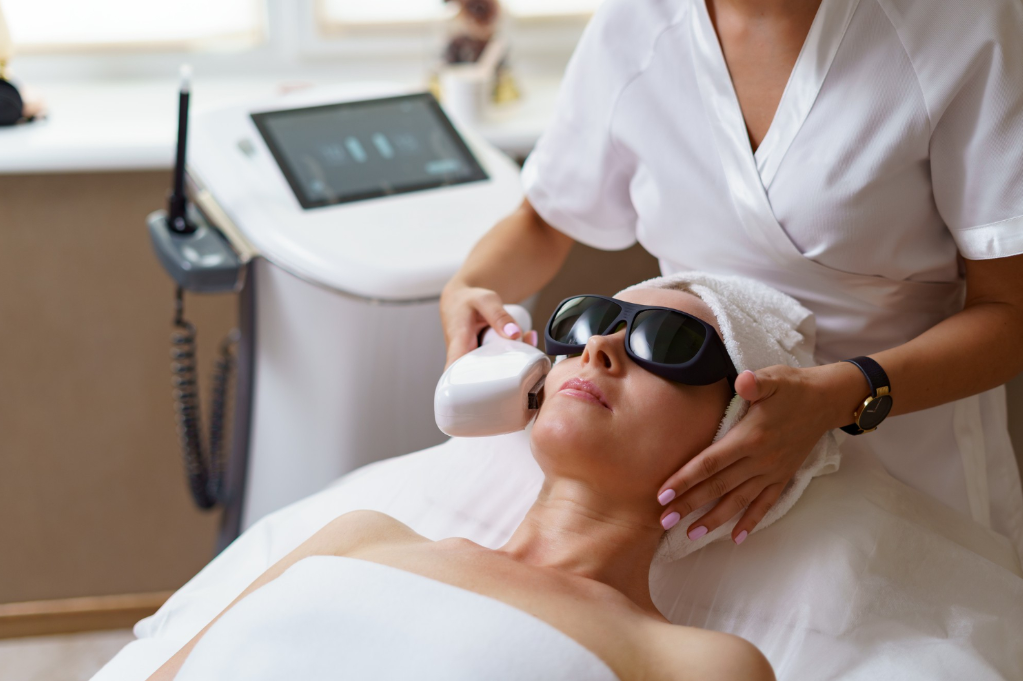
Laser Pigmentation Treatments
Advanced laser technology targets excess pigment while stimulating natural skin rejuvenation.
Laser treatments may help:
- Break down unwanted pigmentation
- Improve skin tone
- Encourage collagen production
- Restore overall skin clarity
Microneedling
Microneedling promotes natural skin repair by creating controlled micro-injuries.
Benefits include:
- Improved skin texture
- Better product absorption
- Enhanced collagen production
- More even skin tone
Medical Skincare Programs
Professional skincare products often play an important role in maintaining treatment results.
A personalized skincare routine may include products that:
- Brighten pigmentation
- Improve skin barrier function
- Support skin renewal
- Protect against environmental damage
The Importance of Sun Protection
Sun protection remains one of the most important parts of managing melasma.
Daily sunscreen use helps:
- Prevent further pigmentation
- Maintain treatment results
- Protect healthy skin
- Reduce UV-induced melanin production
Broad-spectrum SPF should become part of every daily skincare routine regardless of the weather.
Lifestyle Habits That Support Clearer Skin
Small lifestyle changes can complement professional treatments.
Consistent Skincare
Following a customized skincare routine helps maintain skin health between treatments.
Hydration
Well-hydrated skin often appears healthier and supports natural skin repair.
Healthy Nutrition
A balanced diet rich in vitamins and antioxidants contributes to overall skin wellness.
Regular Follow-Up Appointments
Professional reviews allow treatment plans to be adjusted as the skin improves.
Who Can Benefit from Treatment?
Treatment for Melasma in Manchester may be suitable for individuals who:
- Have persistent facial pigmentation
- Experience uneven skin tone
- Want clearer, brighter skin
- Have pigmentation that returns repeatedly
- Prefer non-surgical skin rejuvenation options
A professional consultation determines the most appropriate treatment plan based on individual skin concerns.
What to Expect During Your Consultation
A comprehensive consultation typically includes:
Skin Evaluation
The practitioner examines your pigmentation and overall skin health.
Discussion of Treatment Goals
Understanding your expectations helps create realistic treatment plans.
Customized Treatment Plan
Each patient receives recommendations based on their unique skin condition and pigmentation pattern.
Skincare Advice
Professional guidance helps support long-term improvements through appropriate home care.
Benefits of Professional Melasma Treatment
Professional treatment offers advantages beyond improving appearance.
These benefits may include:
- More even skin tone
- Brighter complexion
- Improved skin confidence
- Personalized treatment strategies
- Ongoing professional support
- Enhanced skin quality
- Long-term pigmentation management
Maintaining Treatment Results
Successful pigmentation management often requires consistency.
Patients are encouraged to:
- Wear sunscreen daily
- Follow recommended skincare routines
- Attend maintenance appointments
- Avoid excessive sun exposure
- Follow professional advice regarding skincare products
Long-term care helps preserve treatment results and supports healthier-looking skin.
Why Choose SLA Medical Clinic for Melasma Treatment?
When considering treatment for Melasma in Manchester, choosing an experienced clinic is an important step toward achieving the best possible results.
SLA Medical Clinic provides:
- Individualized skin assessments
- Experienced aesthetic practitioners
- Advanced pigmentation treatments
- Personalized skincare recommendations
- Modern treatment technologies
- Comprehensive aftercare guidance
- Patient-focused treatment plans
Every treatment plan is designed around each patient’s unique skin concerns, ensuring a tailored approach to pigmentation management.
Frequently Asked Questions
Can melasma be treated successfully?
Yes. Modern aesthetic treatments can significantly reduce the appearance of melasma while improving overall skin tone and complexion.
How many treatment sessions are usually needed?
The number of sessions varies depending on the severity, depth of pigmentation, and individual treatment goals.
Is professional skincare important after treatment?
Yes. Medical-grade skincare often helps maintain results and supports healthier skin.
Can all skin types develop melasma?
Yes. Melasma can affect many different skin types, although some individuals are more prone to pigmentation than others.
Why is sunscreen recommended every day?
Daily sun protection helps prevent additional pigmentation and supports the longevity of treatment results.
Conclusion
Persistent pigmentation can be frustrating, but effective treatment options are available for those seeking clearer, healthier-looking skin. Modern aesthetic treatments combined with expert assessment and a personalized skincare plan can noticeably improve skin tone while helping maintain long-term results.
If you are considering treatment for Melasma in Manchester, choosing an experienced provider is essential. SLA Medical Clinic offers comprehensive consultations, advanced pigmentation treatments, and individualized care designed to help patients achieve a brighter, more even complexion with confidence.