Melasma is a common pigmentation concern that can create brown, greyish-brown, or darker patches across areas such as the cheeks, forehead, nose, chin, and upper lip. Because the pigmentation can vary in depth and intensity, managing it often requires a personalised and consistent approach rather than a single treatment.
For people looking for Melasma In Manchester, modern aesthetic and dermatological approaches can provide several options for improving the appearance of uneven pigmentation. Current expert guidance emphasises consistent photoprotection and personalised topical treatment, with procedures such as chemical peels, microneedling, and selected laser or light-based treatments sometimes incorporated into a broader treatment plan.
Understanding Melasma
Melasma develops when melanocytes, the cells responsible for producing melanin, become more active and create increased pigmentation. It commonly appears symmetrically on the face and can be influenced by factors including ultraviolet exposure, hormonal changes, and individual susceptibility.
The condition can be persistent, meaning that treatment is generally focused on reducing the visibility of pigmentation and maintaining a more even-looking complexion over time.
Common Areas Affected by Melasma
Melasma may appear on several facial areas, including:
- Cheeks
- Forehead
- Upper lip
- Nose
- Chin
- Jawline
The appearance can range from relatively small patches to broader areas of uneven pigmentation.
Why Professional Assessment Matters
Before beginning treatment, a professional assessment can help determine whether the pigmentation is consistent with melasma and how deeply the pigment may be positioned within the skin. Dermatologists may use visual examination and, where appropriate, tools such as a Wood’s lamp or dermatoscope to assess pigmentation.
Creating a Personalised Treatment Plan
Melasma does not necessarily respond in the same way for every person. Skin tone, pigmentation depth, previous skincare, lifestyle factors, and the pattern of pigmentation can all influence the treatment approach.
A personalised plan may combine professional procedures with prescribed or medical-grade skincare and a carefully structured maintenance routine.
Advanced Treatment Options for Melasma
There are several approaches that may be considered when managing melasma. The appropriate option depends on an individual’s skin and the characteristics of their pigmentation.
Medical-Grade Skincare
Topical treatments can play an important role in melasma management. Depending on the individual’s circumstances, professionals may recommend ingredients such as hydroquinone, azelaic acid, kojic acid, retinoids, or vitamin C.
These ingredients can work through different mechanisms, including reducing melanin production and supporting skin-cell turnover.
A professional may also adjust the strength, frequency, or combination of products according to the skin’s response.
Chemical Peels
Chemical peels use specially selected solutions to encourage controlled exfoliation and support the renewal of the skin’s surface. They may be incorporated into a treatment programme for pigmentation and can sometimes be combined with topical therapies.
Current expert guidance considers chemical peels an adjunctive option rather than a universal first-line treatment for every person with melasma.
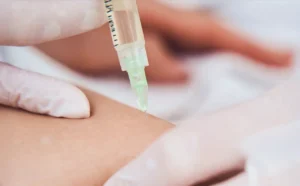
Microneedling
Microneedling creates controlled microscopic channels in the skin. It can be incorporated into some pigmentation treatment plans and may support skin renewal and the delivery of selected topical products.
The American Academy of Dermatology notes that microneedling can be used as part of a broader approach to improving uneven pigmentation.
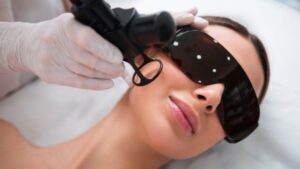
Laser and Light-Based Treatments
Selected laser and light-based technologies may be considered when appropriate. These treatments use controlled energy to target pigmentation or support skin rejuvenation.
However, melasma can be complex, and current international consensus recommends that lasers generally be considered selectively, particularly when other approaches have not produced sufficient improvement.
At SLA Medical Clinic, treatment options for melasma include personalised approaches involving laser therapy, chemical peels, and medical-grade skincare, depending on the individual’s pigmentation and skin needs.
The Importance of Sun Protection
Sun protection is a central part of managing melasma. Ultraviolet exposure can stimulate pigment production and make existing pigmentation more noticeable. International consensus recommendations identify photoprotection as a fundamental component of melasma management and maintenance.
Daily SPF
Using a broad-spectrum sunscreen every day can help reduce ongoing ultraviolet exposure. The American Academy of Dermatology recommends broad-spectrum SPF 30 or higher for people with melasma.
For some individuals, tinted sunscreen containing iron oxides may also be useful because visible light can contribute to pigmentation.
Additional Sun Protection
Alongside sunscreen, practical measures can include:
- Wearing a hat when outdoors
- Seeking shade during strong sunlight
- Reapplying sunscreen as appropriate
- Limiting prolonged direct sun exposure
- Maintaining sun protection throughout the year
Consistent protection is particularly important because melasma can become more noticeable again after improvement.
How Long Does Melasma Treatment Take?
Melasma usually requires patience and consistency. Pigmentation does not necessarily disappear immediately after treatment, and improvement may develop gradually.
According to SLA Medical Clinic, patients may notice a visible difference around four to six weeks, with further improvement occurring over subsequent months.
The exact timeline depends on factors such as pigmentation severity, treatment choice, skincare consistency, and individual response.
Why Maintenance Is Important
Melasma can be persistent and may return after improvement. Current international recommendations therefore emphasise maintenance rather than viewing treatment as a one-time process.
A maintenance programme may include continued sun protection, appropriate skincare, and periodic professional treatments when recommended.
What Can Affect Melasma?
Melasma has multiple contributing factors, so identifying potential triggers can be an important part of a personalised plan.
Sun and Visible Light
UV exposure can stimulate melanocytes and increase pigmentation. Visible light may also contribute to melasma, particularly in people with more pigmentation-prone skin.
Hormonal Factors
Hormonal changes can be associated with melasma. Pregnancy and certain hormonal medications, including some contraceptive pills, have been associated with the condition.
Individual Skin Characteristics
Melasma can occur across different skin types and tones. Its appearance and response to treatment can vary considerably between individuals, which is one reason personalised treatment planning is important.
Melasma Cost In Manchester
The Melasma Cost In Manchester can vary depending on the treatment selected and the number of sessions or appointments required.
Factors That Can Influence Treatment Cost
Several factors may contribute to the overall price of a melasma treatment programme, including:
- Type of treatment selected
- Number of sessions required
- Extent of pigmentation
- Professional consultation requirements
- Combination of treatments
- Medical-grade skincare prescribed or recommended
- Ongoing maintenance treatments
A consultation can provide a clearer understanding of the treatment approach and the expected number of appointments.
Melasma Treatment at SLA Medical Clinic
SLA Medical Clinic in Manchester provides personalised melasma treatment plans designed around individual pigmentation concerns. The clinic describes options including chemical peels, laser therapy, and medical-grade skincare, with treatment selected according to the pigmentation and the individual’s skin needs.
Personalised Skin Assessment
An assessment allows the practitioner to examine the skin and discuss the appearance, history, and characteristics of the pigmentation before recommending a treatment strategy.
Combination Treatment Approach
Because melasma can involve several contributing factors, a combination approach may sometimes be considered. For example, professional treatment can be paired with a structured skincare routine and consistent sun protection.
This type of integrated approach is consistent with contemporary guidance, which recognises that melasma management may require multiple complementary strategies.
Aftercare and Skin Maintenance
Aftercare depends on the specific treatment performed. Following professional instructions can help support the skin’s recovery and maintain treatment results.
Gentle Skincare
After certain professional treatments, practitioners may recommend temporarily avoiding strong exfoliants, retinoids, or active acids. A gentle cleanser and moisturiser can help maintain a comfortable skincare routine while the skin settles.
Consistent SPF
Daily sunscreen remains important after improvement. Continuing sun protection can help maintain a more even-looking complexion and reduce factors that may encourage pigmentation to become more visible again.
Choosing a Melasma Treatment Approach
Choosing an appropriate approach starts with understanding that melasma is not simply a surface-level skin-colour concern. Its causes and pigmentation depth can differ, and treatment needs to be adapted accordingly.
Questions to Discuss During a Consultation
A consultation can be used to discuss:
- The type and pattern of pigmentation
- Previous skincare and treatments
- Suitable professional treatment options
- Expected treatment timeline
- Number of sessions
- Maintenance requirements
- Melasma Cost In Manchester
- Recommended home-care routine
Having these details clarified can make it easier to understand what a personalised treatment programme involves.
Achieving a More Even-Looking Complexion
Modern melasma management combines professional assessment, appropriate pigmentation treatments, skincare, and long-term photoprotection. Chemical peels, microneedling, topical therapies, and selected laser or light-based treatments may all have a role depending on the individual case.
For people considering Melasma in Manchester, a personalised consultation can help identify an appropriate treatment pathway based on the skin’s characteristics and pigmentation pattern. SLA Medical Clinic offers melasma-focused treatment options in Manchester, including personalised plans involving chemical peels, laser therapy, and medical-grade skincare.
The focus is not simply on temporarily reducing visible pigmentation, but on developing a consistent approach that supports a more even-looking complexion over time.