Liposuction is one of the most widely known cosmetic procedures for reducing localized areas of stubborn fat. For people considering Liposuction in Dubai, understanding how the procedure works, who may be suitable, what areas can be treated, and what recovery involves can make the decision-making process easier.
Dubai has developed into a major destination for cosmetic and aesthetic healthcare, with clinics offering a range of body-contouring procedures. However, liposuction is still a surgical procedure, so choosing an appropriately qualified plastic surgeon and having a detailed consultation are important steps before treatment.
What Is Liposuction?
Liposuction is a surgical body-contouring procedure designed to remove excess fat from specific areas of the body. It is generally used when localized fat deposits remain despite appropriate diet and physical activity.
During the procedure, a surgeon makes small incisions and uses a thin tube called a cannula to loosen and remove fat from the selected treatment area. Different techniques may be used depending on the patient’s anatomy, treatment goals, and surgeon’s experience.
Liposuction is not considered a general weight-loss treatment. Instead, it is intended to improve body contours by reducing fat in selected areas.
Why Consider Liposuction in Dubai?
Dubai attracts patients seeking cosmetic and aesthetic treatments from the UAE and internationally. The city has numerous private healthcare facilities and cosmetic surgery clinics offering body-contouring procedures.
Patients considering liposuction in Dubai may have access to surgeons with different areas of specialization and experience. Clinics may also offer consultations covering surgical planning, anesthesia, recovery, and follow-up care.
However, the availability of many providers means prospective patients should carefully research their options rather than selecting a clinic based only on advertising or price.
Which Areas Can Liposuction Treat?
Liposuction can be performed on several areas where localized fat deposits are present. Common treatment areas include:
- Abdomen
- Waist and flanks
- Hips
- Thighs
- Upper arms
- Back
- Under the chin
- Male chest in selected cases
- Knees and other smaller areas
The appropriate treatment area depends on individual anatomy and the amount and distribution of excess fat. During a consultation, the surgeon can assess the area and determine whether liposuction is appropriate.
Some patients may require treatment in more than one area, while others may achieve their desired contour improvement by treating a single localized region.
Who May Be a Candidate?
Liposuction may be considered for adults who have localized areas of excess fat and are generally healthy enough to undergo surgery.
Ideal candidates are typically close to a stable, sustainable weight and have realistic expectations about what the procedure can achieve. Good skin elasticity can also be beneficial because the skin needs to adapt to the change in underlying volume.
Liposuction may not be appropriate for everyone. Certain medical conditions, medications, smoking habits, poor skin elasticity, or unrealistic expectations may affect suitability.
A qualified surgeon should evaluate your medical history, current health, medications, previous procedures, and treatment goals before recommending surgery.
How Does the Procedure Work?
The exact technique used for liposuction varies. Before surgery, the surgeon generally marks the areas to be treated and discusses the planned approach.
Small incisions are made in carefully selected locations. A cannula is then introduced through the incisions to remove targeted fat.
Anesthesia can vary depending on the extent of the procedure and the surgeon’s recommendation. Larger procedures may require general anesthesia, while certain smaller treatments may be performed using other forms of anesthesia.
The duration of surgery depends on factors such as the number of areas being treated and the amount of fat being removed.
Consultation Before Liposuction
A consultation is one of the most important stages of the liposuction process. Patients should use this appointment to discuss their expectations and ask questions about the procedure.
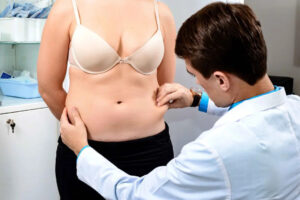
The surgeon may examine the areas of concern, assess skin quality, review medical history, and discuss potential risks. Patients should also provide information about medications, supplements, previous surgeries, allergies, and existing health conditions.
Useful questions can include:
- What liposuction technique is recommended for me?
- Which areas can be treated safely?
- What type of anesthesia will be used?
- Where will the procedure take place?
- What should I expect during recovery?
- What complications should I know about?
- What follow-up care will I need?
- What qualifications and experience does the surgeon have?
A consultation should provide an opportunity to understand both the potential benefits and limitations of treatment.
Recovery After Liposuction
Recovery varies between individuals and depends on the amount and location of fat removed and whether other procedures are performed at the same time.
Swelling, bruising, tenderness, and temporary numbness can occur after surgery. Patients may be advised to wear a compression garment for a period recommended by their surgeon.
Light movement may be encouraged during recovery, but strenuous exercise and heavy physical activity generally need to be avoided until the surgeon confirms that it is safe.
Patients should follow all postoperative instructions carefully, including wound care, medication instructions, activity restrictions, and scheduled follow-up appointments.
Because recovery is individual, it is better to follow the surgeon’s specific instructions rather than comparing your recovery timeline with another patient’s experience.
When Will You See Results?
The treated area’s appearance can change gradually as swelling decreases. Initial changes may be noticeable relatively soon after surgery, but the final contour can take time to develop.
Swelling can persist for weeks or longer depending on the individual and the extent of treatment. Your surgeon can provide a more specific expectation during the consultation.
Maintaining a stable weight after liposuction is important. While removed fat cells do not simply return to their original locations, remaining fat cells can enlarge if a person gains significant weight.
Potential Risks and Complications
Like any surgical procedure, liposuction carries potential risks. These can include infection, bleeding, fluid accumulation, changes in sensation, contour irregularities, scarring, swelling, and reactions related to anesthesia.
More serious complications are possible, particularly with extensive procedures or when multiple procedures are combined.
Patients should discuss individual risks with their surgeon before deciding on treatment. Choosing an appropriately qualified surgeon and an accredited or properly regulated medical facility is an important part of reducing avoidable risks.
Liposuction vs. Non-Surgical Fat Reduction
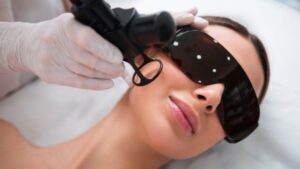
Liposuction is different from non-surgical body-contouring treatments. Non-invasive or minimally invasive procedures may use technologies designed to reduce fat without traditional surgical removal.
The suitability of these approaches depends on factors such as the size of the treatment area, the amount of excess fat, skin condition, desired outcome, and medical history.
A consultation can help determine which approach is appropriate for an individual’s goals.
How to Choose a Liposuction Clinic in Dubai
When researching Liposuction in Dubai, patients should look beyond promotional offers and compare providers based on relevant qualifications, experience, facility standards, and patient care.
Check whether the surgeon is appropriately licensed to practice in the UAE and has relevant training in plastic or cosmetic surgery. Ask where the procedure will be performed and whether the facility is properly licensed and equipped for surgical care.
Patients should also be cautious about guarantees of specific results. Cosmetic surgery outcomes vary from person to person, and responsible medical professionals should explain both benefits and risks.
Cost of Liposuction in Dubai
The cost of liposuction can vary significantly depending on the treatment area, surgical technique, surgeon’s fees, anesthesia, facility charges, and whether multiple areas or procedures are involved.
Instead of choosing a provider based solely on the lowest price, patients should ask for a clear breakdown of what is included in the quoted cost. This may include consultation, surgeon fees, anesthesia, facility charges, compression garments, medications, and follow-up appointments.
Final Thoughts
Liposuction in Dubai can be an option for adults looking to address localized fat deposits and improve body contours. It is important to remember that liposuction is a surgical body-contouring procedure rather than a substitute for weight management.
A thorough consultation with a qualified surgeon can help determine whether the procedure is appropriate and what approach may suit your individual anatomy and goals. Understanding the surgical process, recovery period, potential risks, costs, and realistic expectations can help patients make an informed decision.
Before proceeding, verify the surgeon’s credentials and the facility’s licensing, ask detailed questions during the consultation, and make sure you understand the proposed treatment plan and follow-up care.