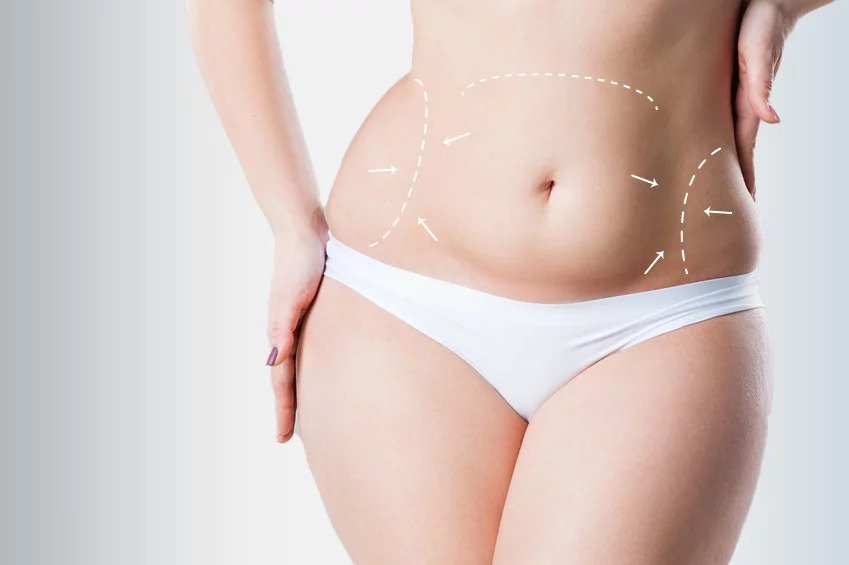
Liposuction is a body-contouring procedure designed to address localised areas of fat that may remain despite lifestyle efforts. However, treatment planning is not simply about identifying where fat is present. A surgeon must consider the patient’s body proportions, fat distribution, skin characteristics, anatomy, and personal goals before deciding which areas may be treated.
For patients considering Liposuction Dubai, understanding how treatment areas are selected can make the consultation more informative. Different people may have localised fat in different parts of the body, and the areas suitable for treatment can vary according to individual anatomy.
The abdomen, waist, flanks, hips, thighs, arms, back, and other areas may be considered depending on the patient’s needs. The surgeon evaluates each area individually and then considers how neighbouring areas relate to one another. This helps establish a treatment plan focused on overall body contour rather than simply removing fat from isolated locations.
Why Are Treatment Areas Evaluated Before Liposuction?
Liposuction is generally used for localised fat deposits rather than as a general weight-management procedure. During the consultation, the surgeon first identifies where unwanted or disproportionate fat is concentrated.
The assessment helps determine whether the patient’s concern is primarily related to fat, excess skin, body proportions, or a combination of these factors.
For example, a patient may notice fullness around the abdomen, but the surgeon may also evaluate the waist and flanks because these areas influence the appearance of the midsection.
By assessing the body as a whole, the surgeon can determine which areas are relevant to the patient’s goals and which areas may not require treatment.
How Does the Abdomen Influence Area Selection?
The abdomen is one of the areas frequently considered during liposuction planning. However, abdominal fat is not distributed identically in every person.
Some patients may have more localised fullness in the upper abdomen, while others may have greater fullness in the lower abdomen. Fat may also extend toward the sides of the torso.
The surgeon examines the abdomen from different angles and considers how the distribution of fatty tissue affects the patient’s overall body shape.
The amount of available tissue, skin characteristics, abdominal contour, and the relationship between the abdomen and waist can all contribute to the treatment plan.
How Are the Flanks Evaluated?
The flanks are located along the sides of the torso and can have a significant influence on the appearance of the waist.
During a Liposuction Dubai consultation, the surgeon may assess whether localised fat is present in this region and how it connects with abdominal and back tissue.
Treating the flanks may be considered when they contribute to the patient’s overall contour concerns. However, the decision depends on the location and amount of fatty tissue and the patient’s desired outcome.
The surgeon may assess the flanks from the front, side, and rear to understand their relationship with surrounding areas.
How Does the Waist Affect Treatment Planning?
The waist creates a transition between the upper torso and hips. Localised fat in this region can affect the definition and proportions of the midsection.
When evaluating the waist, Composite Veneers Dubai the surgeon considers the patient’s natural body shape rather than trying to create a standard measurement.
The width of the torso, position of the ribs, hips, and distribution of fatty tissue can all influence how the waist appears.
If treatment is appropriate, the surgeon may consider the waist together with the abdomen and flanks to create a more consistent body contour.
Are the Hips Considered?
The hips may be evaluated when localised fat in this area affects the patient’s body proportions.
Fat around the hips can influence the transition between the waist and upper thighs. The surgeon may therefore assess the hips from different angles to understand how they contribute to the overall silhouette.
Whether the hips are included in treatment depends on the amount and location of fatty tissue, skin characteristics, and the patient’s goals.
The evaluation also considers how treatment of the hips would relate to neighbouring areas.
How Are the Thighs Evaluated?
The thighs can contain localised fat deposits that affect the shape of the legs and the transition between the hips and knees.
Depending on the patient’s concerns, the surgeon may examine the inner thighs, outer thighs, or other specific areas.
The assessment considers the amount of fatty tissue and the patient’s overall leg proportions.
Treatment planning focuses on the areas where localised fat is present and where contouring may correspond with the patient’s objectives.
How Are the Arms Considered?
The upper arms can also be assessed when localised fat is a concern.
The surgeon may examine the distribution of fatty tissue along the upper arm and consider the relationship between the arm, shoulder, and surrounding body proportions.
Skin characteristics are particularly relevant when assessing the arms because the overall appearance depends on both the amount of fat and the condition of the overlying skin.
The surgeon can determine whether the area is appropriate for liposuction based on the physical examination and the patient’s desired result.
How Is the Back Evaluated?
The back contains several regions where localised fat can accumulate, including the upper back, mid-back, and lower back.
The surgeon may evaluate these areas to determine whether they contribute to the patient’s concerns about body contour.
Back tissue can also affect the appearance of the waist and torso when viewed from the side or rear.
For this reason, a complete consultation may involve examining the back alongside the abdomen, flanks, Composite Veneers in Dubai and waist rather than assessing each region in isolation.
How Does Skin Elasticity Influence Which Areas Are Treated?
Skin quality is an important consideration when determining whether a particular area is suitable for liposuction.
The surgeon may evaluate the skin’s elasticity and how it responds to movement. This provides information about the relationship between the skin and underlying fatty tissue.
An area with localised fat may require a different approach from an area where excess skin is the dominant concern.
This distinction is important because liposuction primarily addresses fatty tissue. When loose skin is a significant component of the patient’s concern, the surgeon may discuss other body-contouring options.
How Does Fat Distribution Determine Treatment Areas?
Fat distribution varies considerably from person to person. Some individuals may have localised fat mainly around the abdomen, while others may have deposits around the hips, thighs, arms, or back.
During assessment, the surgeon identifies where the fatty tissue is concentrated and considers whether those deposits are suitable for treatment.
The surgeon may also compare the left and right sides to understand whether the distribution is symmetrical.
This detailed evaluation helps prevent treatment planning from being based solely on the patient’s perception of where fat is located.
How Does Body Proportion Affect Area Selection?
Body proportions are an important part of deciding which areas to treat.
The abdomen, waist, hips, thighs, and back are visually connected. Changing one area can influence how another area appears.
For example, if localised fat is present around both the waist and flanks, the surgeon may assess these regions together when considering the desired contour.
The goal of treatment planning is therefore to understand how different areas contribute to the overall body shape.
Does Weight Stability Matter?
The patient’s current weight and weight history may also be discussed during consultation.
Liposuction is generally intended for contouring specific areas rather than replacing a weight-management programme.
A relatively stable body weight can provide a clearer picture of the patient’s existing fat distribution and body proportions.
The surgeon may ask about previous weight changes to understand how the areas being considered have changed over time.
How Do Previous Procedures Affect Treatment Planning?
Previous surgery or body-contouring procedures can influence the assessment of a treatment area.
The surgeon may ask about previous liposuction, tummy tuck surgery, or other procedures involving the abdomen, waist, thighs, or surrounding areas.
Previous procedures can alter the distribution of tissue and may therefore be relevant when deciding which areas should be considered.
A complete medical and surgical history allows the surgeon to take these factors into account when developing an individualised plan.
How Do Personal Goals Influence Which Areas Are Treated?
The patient’s goals are an important part of the consultation.
One person may primarily want to reduce abdominal fullness, while another may want to address the waist and flanks to create a more defined midsection. Someone else may be more concerned about the thighs or arms.
The surgeon discusses these priorities and compares them with the physical examination.
This helps establish which areas are most relevant and whether the patient’s desired changes correspond with what liposuction is designed to address.
Can Multiple Areas Be Treated Together?
Multiple areas may be considered as part of one body-contouring plan, depending on the patient’s anatomy and the surgeon’s assessment.
Treating connected areas can sometimes be relevant when localised fat crosses anatomical boundaries or when neighbouring areas contribute to the same contour concern.
For example, the abdomen, waist, and flanks may be evaluated together because they collectively influence the appearance of the torso.
The exact combination of areas depends on the individual treatment plan.
How Are Treatment Areas Marked Before Surgery?
When an area has been selected for treatment, the surgeon may use anatomical markings to identify the boundaries of the proposed contouring.
Marking can help distinguish the areas to be addressed and provides a visual reference for the surgical plan.
The patient may be assessed while standing because the distribution of tissue and natural body contours can appear differently when the body is positioned differently.
The exact marking process depends on the surgeon and the procedure being planned.
How Does 360 Liposuction Relate to Treatment Areas?
When fat is distributed around multiple parts of the torso, a 360-degree body-contouring approach may be considered.
This can involve assessing the abdomen, waist, flanks, hips, and back rather than focusing only on the front of the body.
However, 360 liposuction does not necessarily mean every surrounding area is treated. The specific areas depend on the patient’s anatomy and goals.
The surgeon evaluates the body circumferentially to determine which regions are relevant to the proposed treatment.
Why Is an Individualised Treatment Plan Important?
There is no universal list of liposuction treatment areas that applies to every patient.
Two people may have similar concerns but different amounts of fatty tissue, skin characteristics, body proportions, and anatomical structures.
An individualised assessment allows the surgeon to distinguish between areas that may benefit from contouring and areas where another approach may be more appropriate.
For patients considering Liposuction Dubai, this personalised process provides a clearer understanding of why certain areas may be selected for treatment.
What Happens During the Consultation?
A liposuction consultation generally begins with a discussion of the patient’s goals and relevant medical and surgical history.
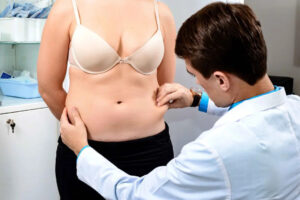
The surgeon then examines the body and identifies areas of localised fat. The abdomen, waist, flanks, hips, thighs, arms, back, or other areas may be assessed depending on the patient’s concerns.
Measurements and photographs may be used as part of treatment planning.
The surgeon can then explain which areas may be appropriate for treatment and how they relate to the patient’s overall body proportions.
This provides an opportunity for the patient to ask questions and understand the proposed approach before making treatment decisions.
How Does Liposuction Cost in Dubai Relate to the Treatment Areas?
Patients researching Liposuction Dubai may also want to understand how the number and extent of treatment areas can influence overall pricing.
Liposuction Cost in Dubai can vary depending on factors such as the areas being treated, extent of contouring, surgical approach, surgeon, facility, anaesthesia arrangements, and whether multiple procedures are included.
Because treatment areas differ from patient to patient, the cost cannot always be determined from a standard list of body regions.
A consultation allows the surgeon or clinic to explain which areas are being considered and how the proposed treatment plan relates to the overall cost.
Conclusion
Several factors determine which areas are treated during liposuction. The surgeon considers the location and distribution of fatty tissue, skin elasticity, body proportions, weight history, previous procedures, and the patient’s individual aesthetic goals.
Areas such as the abdomen, waist, flanks, hips, thighs, arms, and back may be evaluated, but not every patient requires treatment in all of these regions. The decision is based on the individual’s anatomy and the areas that contribute to their specific contour concerns.
For patients considering Liposuction Dubai, a detailed consultation provides an opportunity to understand which areas may be appropriate for treatment and how they relate to the rest of the body. Those researching the cost can also discuss the specific factors that contribute to Liposuction Cost in Dubai during their consultation.
Frequently Asked Questions
What determines which areas are treated during liposuction?
Treatment areas are determined by the location of localised fat, skin characteristics, body proportions, individual anatomy, previous procedures, and the patient’s specific contouring goals.
Which body areas can be treated with liposuction?
Depending on the patient’s anatomy and goals, areas may include the abdomen, waist, flanks, hips, thighs, arms, back, and other areas containing localised fatty tissue.
Is the abdomen commonly considered for liposuction?
Yes. The abdomen is frequently assessed because localised fat can accumulate in the upper or lower abdominal region and influence overall torso proportions.
Are the waist and flanks treated together?
They may be considered together because the waist and flanks are closely connected visually. The appropriate treatment areas depend on the patient’s fat distribution and desired contour.
Can liposuction treat the thighs?
Liposuction may be considered for selected areas of the thighs where localised fat is present. The surgeon evaluates the inner, outer, or other thigh regions according to the patient’s concerns.
Can the arms be treated with liposuction?
The upper arms can be evaluated when localised fat is present. The surgeon considers the amount of fatty tissue, skin characteristics, and overall arm proportions.
Is the back evaluated before liposuction?
Yes. The surgeon may examine the upper, mid, or lower back to determine whether localised fat in these areas contributes to the patient’s body-contouring concerns.
Does skin elasticity affect the choice of treatment area?
Yes. Skin quality and elasticity are assessed because the appearance of an area depends on both the underlying fatty tissue and the condition of the overlying skin.
Can several areas be treated during the same procedure?
Multiple areas may be considered as part of one treatment plan when appropriate. The exact combination depends on the patient’s anatomy, goals, and the surgeon’s assessment.
Is liposuction a weight-loss procedure?
Liposuction is primarily a body-contouring procedure intended to address localised fatty deposits. It is not generally considered a substitute for a comprehensive weight-management programme.
How are liposuction areas selected during consultation?
The surgeon discusses the patient’s goals, reviews relevant history, examines the body from multiple angles, evaluates fat distribution and skin characteristics, and identifies the areas that correspond with the treatment objectives.
What factors affect Liposuction Cost in Dubai?
The cost may vary according to the number and extent of areas treated, surgical approach, surgeon, facility, anaesthesia arrangements, and any additional procedures included in the treatment plan.
What should I discuss during a Liposuction Dubai consultation?
Patients can discuss the areas they want to address, their desired body contour, previous procedures, weight history, and expectations. The surgeon can then explain which areas may be appropriate based on the physical assessment.