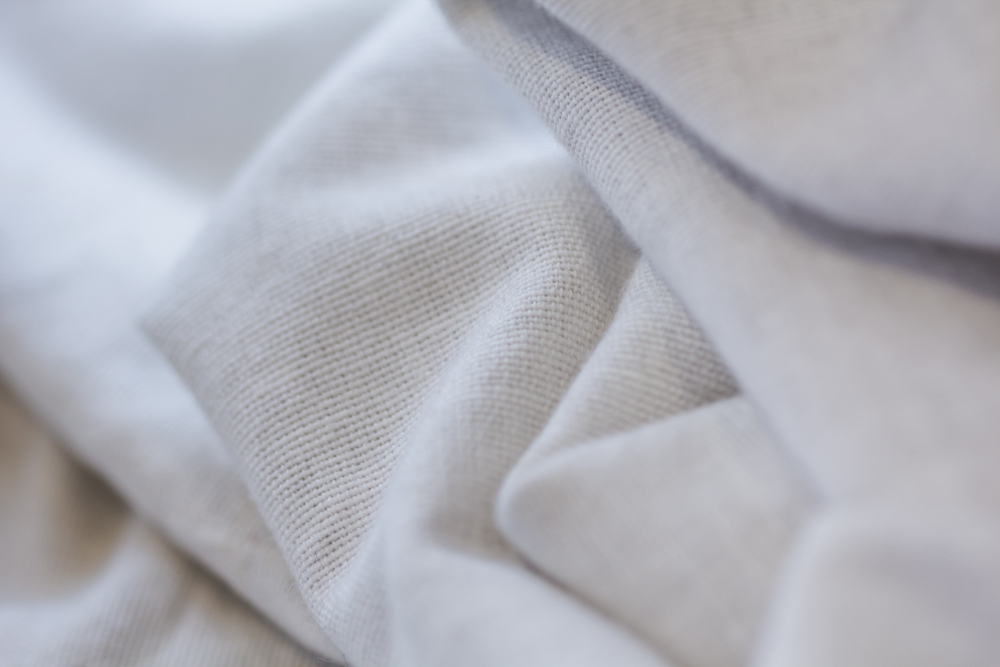
Viscose fabric
Viscose fabric transforms the apparel industry by offering a cost-effective, breathable alternative to natural fibers. Made from regenerated wood pulp, viscose provides superior drape and softness. Brands increasingly use viscose for everyday and high-fashion garments while advancing sustainable production methods to reduce environmental impact.
The apparel industry continually seeks materials that balance quality, comfort, and cost. Over the past decade, viscose has emerged as a primary solution to this demand. Fabriclore Pvt Ltd stands at the forefront of this shift, operating as one of the best local and online stores and suppliers for premium textiles. Sourcing high-quality materials from suppliers like Fabriclore allows fashion brands to produce superior garments at competitive prices.
Originally developed in the late 19th century as a more affordable substitute for silk, viscose has steadily grown in popularity. Today, manufacturers rely on its unique properties to produce a massive variety of clothing items. From everyday wear to high fashion, viscose acts as a transformative force in the global apparel market.
What is viscose fabric and how is it made?
Viscose is a type of rayon made from regenerated cellulose fiber. Manufacturers primarily source this cellulose from wood pulp derived from trees like pine, beech, and eucalyptus.
The manufacturing process involves several distinct steps. First, workers extract the cellulose from the wood pulp. They then treat this cellulose with sodium hydroxide and carbon disulfide, creating a highly viscous liquid—hence the name “viscose.” Finally, machines force this thick solution through a spinneret into a chemical bath, which hardens the liquid into fine threads. Spinners then weave these threads into the versatile fabric used in clothing.
Key characteristics of viscose include:
- Softness: The fabric feels smooth against the skin, rivaling the texture of premium natural fibers.
- Breathability: Viscose allows air to circulate, making it ideal for warm-weather garments.
- Drape: The material falls beautifully, creating flattering silhouettes.
- Absorbency: It absorbs moisture well, adding to its comfort factor in activewear and summer clothing.
How does viscose fabric influence current fashion trends?
Designers value viscose for its exceptional versatility. You will find viscose in everything from flowing summer dresses and tailored blouses to comfortable activewear and jacket linings. It seamlessly integrates into different design aesthetics.
A primary reason for its popularity is its ability to mimic natural fibers. Viscose can replicate the smooth finish of silk, the breathability of cotton, and the textured feel of linen. This allows brands to offer luxurious-looking garments without the high production costs associated with purely natural fibers.
Consumers gravitate toward viscose apparel primarily for its comfort. The fabric feels lightweight and non-constricting, aligning perfectly with the modern buyer’s preference for functional, wearable fashion.
What is the environmental impact of viscose production?
The environmental footprint of viscose presents a complex picture. The raw material comes from wood pulp, raising concerns about forest management and deforestation. Responsible manufacturers mitigate this by sourcing pulp from sustainably managed forests certified by organizations like the FSC (Forest Stewardship Council).
The traditional manufacturing process also uses significant amounts of water and toxic chemicals, such as carbon disulfide. Untreated wastewater from these processes can harm local ecosystems. However, the industry has responded with significant innovations in sustainable production.
Modern variations of regenerated cellulose fibers reduce this environmental footprint:
- Lyocell: Uses an organic solvent and a closed-loop system, recycling 99% of the water and chemicals used.
- Modal: Often derived from beech trees, utilizing less water and yielding more fiber per acre than cotton.
When comparing viscose to other fabrics, it biodegrades much faster than synthetic options like polyester. Choose closed-loop Lyocell or Modal if environmental sustainability matters more to your brand than achieving the lowest possible production cost.
How does viscose affect apparel industry economics?
Viscose dramatically changes the financial landscape for clothing manufacturers. It provides a luxurious feel at a highly accessible price point. This cost-effectiveness allows mid-tier fashion labels to compete with high-end designer brands by offering similar aesthetics and comfort.
The global demand for viscose continues to surge, reshaping supply chain dynamics. China, India, and Indonesia lead global production, supplying textile hubs worldwide. For brands looking to scale their operations, finding a reliable supplier for viscose fabric wholesale is critical to maintaining profit margins and ensuring consistent quality. Furthermore, the ability to easily buy fabric online has streamlined the sourcing process for direct-to-consumer labels.
Market projections indicate sustained growth for viscose over the next decade. As consumers demand more comfortable and affordable clothing, viscose will secure its position as a staple material in global textile markets.
What are the main challenges and criticisms of viscose?
Despite its advantages, viscose faces notable challenges. Historically, the harsh chemicals used in production posed severe health risks to factory workers and caused local water pollution. While major producers have implemented stricter safety and environmental standards, poor practices still exist in less regulated regions.
Durability represents another concern. Viscose weakens when wet, requiring careful washing and handling. Garments often shrink or lose their shape if washed in hot water or machine dried. Brands must provide clear care instructions to ensure longevity.
Public perception also creates hurdles. Many consumers misunderstand the difference between synthetic fibers (like polyester) and semi-synthetic fibers (like viscose). Brands must educate their audiences about viscose’s plant-based origins and its biodegradable properties to overcome these misconceptions.
Which apparel brands currently use viscose fabric?
Numerous companies successfully integrate viscose into their product lines, demonstrating its broad appeal.
- High-fashion designers: Luxury labels frequently use high-grade viscose blends to achieve specific drapes and textures in gowns and tailored suits that silk or cotton cannot provide alone.
- Everyday apparel brands: Major retailers like Zara, H&M, and UNIQLO rely heavily on viscose for their daily wear collections, capitalizing on its affordability and comfort.
- Sustainable innovators: Brands focused on ethical fashion champion EcoVero and Tencel (branded versions of sustainable viscose and Lyocell) to align with their environmental commitments.
Fabric technologists also continue to develop innovative blends, combining viscose with spandex for stretch or with wool for added warmth, further expanding its application.
The Future Outlook for Viscose in Apparel
Viscose holds a definitive, transformative role in the apparel industry. It bridges the gap between high-end luxury and everyday affordability.
Moving forward, the industry will likely see a rapid shift toward sustainable production methods. Closed-loop systems and certified wood pulp sourcing will become the standard rather than the exception. Brands that adapt to these greener practices will capture the growing demographic of eco-conscious consumers.
Ultimately, balancing fashion, sustainability, and consumer demand requires strategic material choices. By leveraging the unique benefits of viscose and partnering with reputable suppliers like Fabriclore, fashion businesses can confidently navigate the future of apparel.
Frequently Asked Questions (FAQ)
What is the difference between viscose and cotton?
Viscose is a semi-synthetic fiber made from wood pulp, while cotton is a natural fiber grown from the cotton plant. Viscose generally offers better drape and a silkier feel, whereas cotton provides higher durability, especially when wet.
Does viscose fabric shrink in the wash?
Yes, viscose can shrink if washed in hot water or placed in a heated dryer. You should wash viscose garments in cold water on a gentle cycle and lay them flat to dry to maintain their shape.
Is viscose a sustainable fabric?
Viscose’s sustainability depends on its manufacturing process. Standard viscose involves heavy chemical use, but modern alternatives like Lyocell use closed-loop systems that recycle water and chemicals, making them highly sustainable.
Where can I buy high-quality viscose fabric?
You can source premium textiles from reputable suppliers like Fabriclore Pvt Ltd. They operate as one of the best local and online stores, allowing fashion businesses to buy fabric online and access viscose fabric wholesale.
Can viscose be recycled?
While viscose is fully biodegradable because of its plant-based origins, mechanically recycling the fabric remains challenging. The fibers weaken easily, so recycling facilities typically downcycle viscose into industrial rags or insulation rather than new clothing.