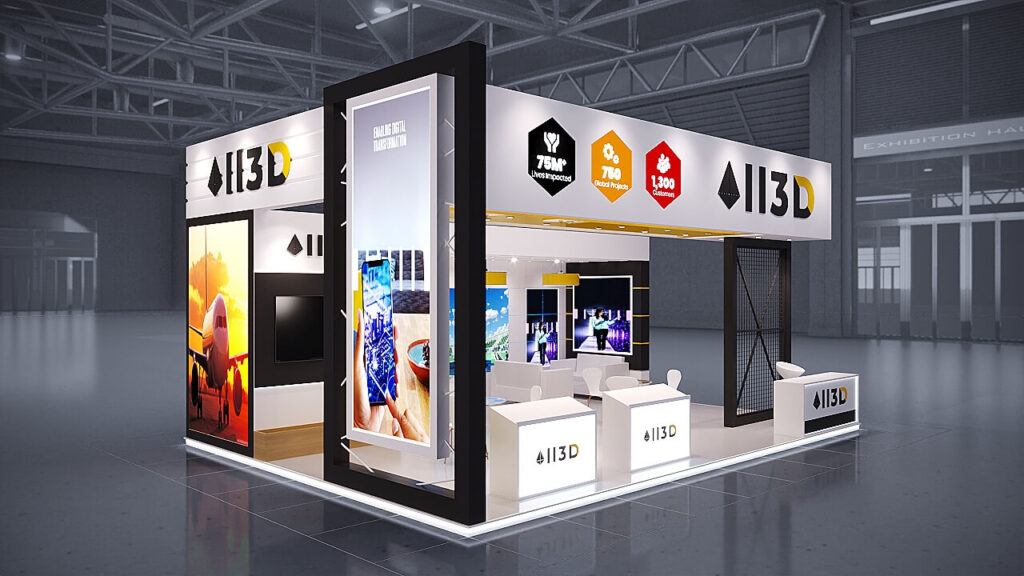
European trade fairs have long been recognized as global platforms for innovation, networking, and industry leadership. As competition increases and visitor expectations evolve, exhibition stand design is undergoing a noticeable transformation. Today, stands are no longer just physical spaces to display products; they are immersive environments designed to communicate brand values, engage visitors, and support meaningful interactions. Understanding the future trends shaping exhibition stand design is essential for exhibitors who want to remain relevant at major European events, where European Trade Fair Exhibition Stands are becoming more experience-driven than ever.
Shift Toward Experience-Focused Design
One of the most significant trends in exhibition stand design is the shift from static displays to interactive experiences. Visitors now expect more than brochures and product samples; they want hands-on demonstrations, storytelling, and environments that spark curiosity. Experience-focused design incorporates elements such as live demonstrations, interactive touchpoints, and guided visitor journeys. This approach helps exhibitors communicate complex ideas more effectively while making the stand memorable in crowded exhibition halls.
Sustainability as a Core Design Principle
Sustainability is no longer an optional consideration in European trade fairs—it has become a core expectation. Future exhibition stand designs increasingly emphasize eco-friendly materials, reusable structures, and energy-efficient lighting. Modular stands that can be reconfigured for multiple events are gaining popularity because they reduce waste and long-term costs. In addition, designers are paying closer attention to material sourcing, favoring recycled wood, aluminum frames, and fabric graphics over single-use plastics.
Modular and Flexible Stand Concepts
Flexibility is another defining trend shaping the future of exhibition stands. Modular design systems allow exhibitors to adapt their stands to different floor sizes, layouts, and audiences without starting from scratch each time. This adaptability is especially important for companies participating in multiple trade fairs across Europe. Flexible layouts also enable exhibitors to update messaging or rearrange zones—such as meeting areas, demo spaces, or lounges—based on event goals and visitor behavior.
Integration of Digital Technologies
Digital integration is transforming how exhibitors communicate with visitors. Large LED screens, interactive kiosks, augmented reality (AR), and virtual reality (VR) experiences are becoming more common in European exhibition spaces. These technologies allow exhibitors to showcase products that may be too large, complex, or technical to display physically. Data collection tools, such as digital registration points or smart badges, also help exhibitors understand visitor interests while enhancing engagement in a subtle and non-intrusive way.
Human-Centric and Open Layouts
Future exhibition stand design places strong emphasis on human comfort and accessibility. Open layouts with clear entry points encourage foot traffic and make stands feel more inviting. Comfortable seating, quiet meeting areas, and thoughtful lighting help visitors spend more time within the space. Designers are also focusing on accessibility, ensuring stands are welcoming to people with different mobility needs, which aligns with broader European inclusivity standards.
Storytelling Through Architecture and Design
Exhibition stands are increasingly being designed as storytelling tools. Instead of relying solely on written content, designers use structure, color, lighting, and spatial flow to convey messages. A stand might guide visitors through a narrative—from brand history to current innovation and future vision—using physical zones and visual cues. This architectural storytelling helps visitors understand a brand’s identity quickly, even in a busy trade fair environment.
Local Adaptation with Global Consistency
As companies participate in multiple European trade fairs, maintaining brand consistency while adapting to local audiences has become crucial. Future stand designs balance a unified brand look with localized elements such as language, cultural references, or region-specific messaging. This approach ensures the brand feels familiar while still relevant to diverse European markets.
Role of Regulations and Venue Standards
European trade fairs are governed by strict safety, sustainability, and construction regulations. Future stand designs are increasingly shaped by these standards, influencing material choices, height limits, fire safety features, and accessibility requirements. Designers must stay informed about evolving regulations to ensure compliance while still delivering visually compelling and functional stands. This regulatory awareness contributes to smarter, safer, and more efficient design solutions.
Conclusion
The future of exhibition stand design for European trade fairs is defined by experience, sustainability, flexibility, and technology. As visitor expectations continue to rise, exhibitors must think beyond traditional display methods and focus on creating meaningful, human-centered environments. From modular structures to digital engagement and storytelling-driven layouts, these trends reflect a broader shift toward smarter and more responsible exhibition practices. Understanding these developments is essential for navigating modern trade fairs effectively, especially in markets where standards and expectations—such as those supported by Exhibition Stand Services in Germany—continue to influence the direction of exhibition design across Europe.