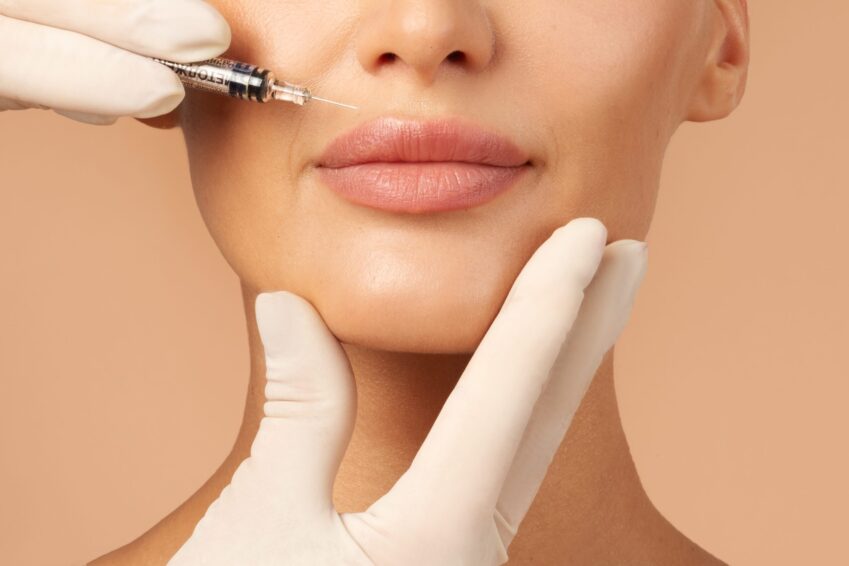
Facial volume plays an important role in maintaining natural proportions, defining facial features and creating a balanced appearance. As people age, changes in collagen, elastin and underlying fat distribution can gradually affect the way the face looks. Some areas may appear less full, while others may develop deeper lines or changes in contour. These changes often lead people to explore non-surgical aesthetic treatments that focus on restoring facial volume and improving overall facial harmony.
Fillers in Dubai are commonly considered by individuals who want to address specific areas of volume loss without undergoing surgical procedures. Dermal fillers can be used in different parts of the face, depending on individual anatomy, aesthetic preferences and treatment goals. Rather than focusing on one particular feature, an experienced practitioner evaluates the face as a whole to understand how different areas relate to one another.
Dr. Camellia Kamyab takes an individualised approach to aesthetic treatments, considering facial structure, proportions and the desired outcome when discussing filler options. Understanding which facial areas are commonly considered for volume enhancement can help individuals make more informed decisions before attending a consultation.
Understanding Facial Volume and Its Importance
Facial volume refers to the fullness and underlying support that contribute to the shape and appearance of the face. It is influenced by several factors, including bone structure, fat distribution, skin thickness and connective tissue.
Over time, natural ageing can affect these structures. The cheeks may become less prominent, the temples may appear hollow, and changes around the mouth can make certain facial lines more noticeable. These developments do not happen in the same way for everyone.
Genetics, lifestyle, weight fluctuations and individual facial anatomy can also influence how volume changes over time.
Dermal Fillers in Dubai are designed to address selected areas where additional volume or contour support may be appropriate. Depending on the product and treatment area, fillers can help improve facial definition, soften the appearance of certain folds and create a more balanced appearance.
The objective is not necessarily to make every facial area fuller. Instead, treatment planning focuses on identifying where volume enhancement may contribute to the overall facial structure.
Which Facial Areas Are Commonly Considered for Volume Enhancement?
Different facial areas can be evaluated during a dermal filler consultation. Each area has its own anatomical characteristics and aesthetic considerations. The following are some of the most commonly discussed treatment areas.
1. Cheeks: Supporting Mid-Face Volume
The cheeks are among the most frequently considered areas for facial volume enhancement. They contribute significantly to facial proportions and help create definition between the lower eyelids and the mid-face.
As natural volume changes occur, the cheeks may gradually appear flatter or less defined. Some individuals notice that their mid-face looks less full than it did previously, while others naturally have less prominent cheekbones.
Cheek fillers may be considered to:
- Enhance cheekbone definition.
- Restore selected areas of mid-face volume.
- Improve the appearance of flatter cheek contours.
- Support balanced facial proportions.
- Create a more defined transition between facial areas.
The placement and amount of filler depend on the individual’s existing cheek structure. Some people may benefit from subtle enhancement along the cheekbones, while others may require a different approach to improve overall mid-face balance.
The aim is to complement natural facial features rather than create excessive fullness.
2. Temples: Addressing Hollow Appearance
The temples are located between the outer forehead and the upper cheekbones. Although they are sometimes overlooked, they play an important role in the overall shape of the face.
With age or changes in body composition, the temple region may lose some of its natural fullness. This can create a hollow appearance and affect the transition between the forehead and upper face.
Temple volume enhancement may be considered for individuals who have noticeable hollowing in this region.
During an assessment, the practitioner considers the natural shape of the temples, surrounding structures and the relationship between the upper and middle portions of the face.
Not everyone requires temple enhancement. The decision depends on whether additional volume would contribute to a balanced facial appearance.
3. Lips: Improving Fullness and Definition
The lips are another popular area considered for dermal filler treatment. Lip shape, fullness and definition can influence overall facial expression and proportions.
Some individuals naturally have thinner lips, while others notice gradual changes in lip volume as they age. The borders of the lips may also become less defined over time.
Lip fillers may be discussed for several aesthetic objectives, including:
- Enhancing natural lip volume.
- Improving the definition of the lip border.
- Creating better upper and lower lip proportions.
- Supporting lip symmetry.
- Refining the overall shape of the lips.
Lip enhancement should take the individual’s natural anatomy into account. A suitable approach does not necessarily involve increasing volume significantly. In many cases, subtle adjustments can help maintain natural-looking proportions.
The desired lip shape should also complement other facial features rather than appear disconnected from the rest of the face.
4. Nasolabial Folds: Softening the Appearance of Facial Lines
Nasolabial folds are the lines that extend from the sides of the nose towards the corners of the mouth. These folds are a normal part of facial anatomy and become more noticeable in some individuals over time.
Changes in mid-face volume, skin elasticity and facial structure can influence their appearance.
Dermal fillers may be considered as part of an overall treatment approach when these folds appear more prominent. However, directly treating the lines is not always the only consideration.
In certain cases, an assessment of the cheek area and surrounding facial support may help determine whether mid-face volume enhancement is more appropriate.
The treatment plan depends on the depth of the folds, facial anatomy and the individual’s aesthetic goals. The intention is to achieve a softer appearance while preserving natural facial movement and expression.
5. Marionette Lines: Supporting the Lower Face
Marionette lines extend downwards from the corners of the mouth towards the chin. They can become more noticeable with age and changes in the distribution of facial volume.
These lines may contribute to a downward appearance around the mouth, although their prominence varies considerably between individuals.
Filler treatment may be considered to improve the appearance of selected areas around the mouth and lower face.
A practitioner may evaluate:
- The depth and position of the lines.
- Existing volume around the chin and jawline.
- The natural position of the mouth corners.
- Overall lower-face proportions.
The assessment is important because the appearance of marionette lines can be influenced by several surrounding structures. A personalised approach helps determine whether filler treatment is suitable and which areas should be prioritised.
6. Chin: Improving Facial Proportions
The chin contributes to the balance and profile of the lower face. Its projection, width and shape can influence how the jawline and other facial features appear.
Some individuals have a naturally recessed or less defined chin, while others experience changes in the appearance of the lower face over time.
Chin fillers may be considered to improve definition and create more balanced facial proportions.
Potential treatment objectives include:
- Improving chin projection.
- Refining the chin’s overall shape.
- Supporting facial symmetry.
- Creating a more balanced side profile.
- Improving the transition between the chin and jawline.
The appropriate approach depends on existing bone structure and the relationship between the chin, lips and jawline.
A consultation helps establish whether additional volume would complement the individual’s natural facial proportions.
7. Jawline: Enhancing Lower-Face Definition
Jawline definition is another common aesthetic consideration. A well-defined jawline can create a clearer transition between the face and neck.
Some individuals naturally have a softer jawline, while others notice changes in definition as facial volume distribution and skin elasticity change.
Jawline fillers may be considered to improve selected areas of contour and definition.
Treatment planning can involve evaluating the jawline from different angles, including the front and side profiles. The practitioner also considers chin projection and the overall width of the lower face.
The goal is to create a balanced appearance that suits the individual’s facial structure rather than following a particular jawline trend.
8. Under-Eye Area: Addressing Selected Volume Concerns
The area beneath the eyes is another region that may be discussed during a facial aesthetics consultation. Hollowing beneath the lower eyelids can create a tired-looking appearance, even when someone feels well-rested.
Changes in facial volume, skin characteristics and natural anatomy can all influence the appearance of the under-eye region.
In selected individuals, carefully assessed filler treatment may be considered to improve the appearance of under-eye hollows.
However, this is a specialised area that requires detailed anatomical assessment. Not everyone with under-eye concerns is suitable for fillers, and other treatment approaches may be more appropriate depending on the underlying cause.
The practitioner should assess the lower eyelid area and surrounding mid-face before recommending any treatment.
How Does a Practitioner Decide Which Areas Need Volume Enhancement?
Selecting the right treatment areas involves more than identifying visible lines or hollow regions. A comprehensive facial assessment helps determine which changes are most relevant to the individual’s aesthetic goals.
During a consultation, several factors may be considered.
Facial anatomy: Bone structure, fat distribution, skin thickness and natural facial proportions influence where filler may be appropriate.
Age-related changes: The practitioner considers how the face has changed over time and whether volume loss contributes to the concerns being discussed.
Individual goals: Some people want subtle cheek definition, while others are more interested in lip shape or lower-face balance.
Facial symmetry: Differences between the two sides of the face may influence treatment planning.
Overall proportions: Each facial feature is assessed in relation to surrounding areas to avoid treating one feature in isolation.
This assessment helps establish realistic expectations and determine whether one area or multiple areas should be considered.
What Should You Expect During a Dermal Filler Consultation?
A consultation is an important part of planning any facial enhancement treatment. It provides an opportunity to discuss concerns, understand available options and determine whether dermal fillers are appropriate.
The practitioner will generally begin by discussing the individual’s aesthetic preferences and the specific changes they would like to address.
A facial assessment may then be carried out to examine volume distribution, facial contours, skin characteristics and symmetry.
The practitioner can explain which areas may benefit from enhancement and whether a conservative treatment approach would be suitable.
It is also an opportunity to discuss the type of filler being considered, the expected aesthetic outcome and how the proposed treatment relates to the individual’s natural features.
Not every area needs treatment. A personalised plan may focus on one specific concern rather than recommending enhancement across several facial regions.
Why Is a Natural-Looking Approach Important?
Facial aesthetics is closely connected to proportion and balance. Adding volume to one area without considering surrounding structures can sometimes create an appearance that does not complement the rest of the face.
A natural-looking approach focuses on maintaining individual facial characteristics while addressing specific concerns.
For example, cheek enhancement should be planned in relation to the lower eyelids, temples and jawline. Similarly, lip enhancement should consider the chin, nose and overall facial proportions.
The amount of filler used is not the only factor that determines the outcome. Product selection, placement, facial anatomy and treatment planning are also important considerations.
For this reason, a personalised assessment is central to achieving an outcome that complements the individual’s appearance.
Choosing Dermal Fillers in Dubai
When exploring Dermal Fillers in Dubai, choosing an experienced and qualified medical practitioner is an important part of the decision-making process.
Individuals should look for a practitioner who understands facial anatomy, takes time to assess individual concerns and explains the available treatment options clearly.
It is also helpful to discuss the practitioner’s approach to treatment planning, including how facial proportions and natural expressions are considered.
Dr. Camellia Kamyab provides an individualised approach to aesthetic consultations, helping patients understand which facial areas may be suitable for volume enhancement based on their anatomy and desired appearance.
A detailed consultation allows individuals to discuss their expectations and understand the treatment options available before making a decision.
Conclusion
Facial volume enhancement can involve several areas, including the cheeks, temples, lips, nasolabial folds, marionette lines, chin, jawline and selected under-eye regions. Each area contributes differently to facial proportions, making individual assessment an essential part of treatment planning.
Fillers in Dubai offer a non-surgical option for individuals interested in addressing selected volume concerns and refining facial contours. However, the most appropriate treatment depends on natural anatomy, existing facial structure and personal aesthetic goals.
Dr. Camellia Kamyab emphasises the importance of understanding the face as a whole when considering dermal filler treatments. Rather than focusing only on individual lines or features, a personalised approach can help create balanced results that complement natural facial characteristics.
A professional consultation is the best starting point for understanding which areas may benefit from enhancement and whether dermal fillers are a suitable option.
Frequently Asked Questions
1. Which facial areas can be treated with dermal fillers?
Commonly considered areas include the cheeks, temples, lips, chin, jawline, nasolabial folds, marionette lines and selected under-eye areas. Suitability depends on individual facial anatomy and aesthetic goals.
2. Can dermal fillers be used to enhance cheek volume?
Yes. Cheek fillers may be considered to improve mid-face fullness, refine cheekbone definition and support balanced facial proportions. The placement and amount depend on the individual’s natural cheek structure.
3. Are lip fillers only used to increase lip size?
No. Lip fillers can also be considered to improve lip definition, refine shape, address asymmetry and create more balanced proportions between the upper and lower lips.
4. Can dermal fillers improve the appearance of nasolabial folds?
Dermal fillers may help soften the appearance of nasolabial folds in suitable individuals. The practitioner may also assess surrounding cheek volume to determine the most appropriate treatment approach.
5. Are chin fillers suitable for improving facial proportions?
Chin fillers may be considered for individuals seeking additional chin projection, improved definition or better balance between the lower facial features. Suitability depends on existing anatomy.
6. Can jawline fillers create a more defined facial appearance?
Jawline fillers may help enhance selected contours and improve lower-face definition. The treatment approach depends on the individual’s jaw structure, chin shape and desired outcome.
7. How does a practitioner decide where to place dermal fillers?
The practitioner evaluates facial anatomy, volume distribution, symmetry, skin characteristics and aesthetic goals. This assessment helps identify the areas where enhancement may be appropriate.
8. Can more than one facial area be treated with fillers?
Multiple areas may be considered as part of an individualised treatment plan. However, the practitioner determines which areas are suitable based on facial proportions and the patient’s overall treatment goals.
9. Do all individuals need facial volume enhancement?
No. Dermal filler treatment is not necessary for everyone. Some individuals may benefit from addressing a specific concern, while others may not require volume enhancement at all.
10. Why should I consult an experienced practitioner for fillers in Dubai?
An experienced practitioner can assess facial anatomy, discuss suitable filler options and develop an individualised treatment plan. This helps ensure that treatment decisions are based on natural proportions and realistic aesthetic expectations.