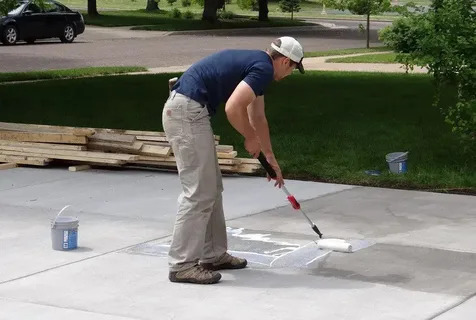
Concrete Staining Services in Chattanooga
Concrete floors are no longer limited to plain gray surfaces. With the right treatment, they can become attractive, durable, and easy-to-maintain features in homes and commercial properties. Concrete staining services in Chattanooga offer property owners a way to customize existing concrete floors with different colors, shades, and decorative effects. These finishes can improve the appearance of indoor and outdoor spaces while preserving the natural character of concrete.
Every concrete surface has different needs. Some floors may have stains, small imperfections, or uneven color, while others may be in good condition but need a fresh appearance. The right staining approach depends on the concrete’s condition, the desired finish, and how the space will be used.
From natural earth tones to rich decorative colors, concrete staining provides several options for creating a personalized surface. Understanding the available techniques, preparation steps, and finish options helps property owners make better decisions before starting a project.
1. Understanding How Concrete Staining Changes Floor Appearance
Concrete staining is a finishing process that adds color to concrete surfaces. Unlike ordinary floor paint, certain concrete stains interact with the concrete or penetrate its surface to create a more natural appearance.
The final result depends on the type of stain, the concrete’s condition, and the application method.
What Makes Concrete Staining Different From Painting?
Concrete staining and concrete painting serve different purposes. Concrete paint generally creates a coating over the surface, while penetrating stains add color within the concrete’s surface layer.
This difference affects the final appearance.
- Concrete staining: Creates natural-looking color variations and decorative effects.
- Concrete painting: Provides a more uniform color through a surface coating.
- Concrete polishing: Improves the smoothness and appearance of concrete through mechanical grinding and polishing.
- Concrete sealing: Helps protect the treated surface from moisture, dirt, and everyday wear, depending on the sealer selected.
For example, a homeowner who wants a natural stone-like appearance may prefer an acid-based stain. Someone looking for more predictable color choices may consider a water-based stain.
Why Property Owners Choose Customized Finishes
Customized concrete finishes allow property owners to match floors with the surrounding design.
A basement may benefit from warm brown tones that create a comfortable atmosphere. A garage may look better with a finish that complements its walls and storage areas. Commercial spaces may use decorative concrete to create a clean and professional appearance.
The main advantage is flexibility. Different colors and application techniques can create finishes that suit different spaces without completely replacing the existing concrete floor.
2. Choosing the Right Concrete Stain for the Desired Finish
Selecting the right stain is one of the most important parts of a concrete staining project. Different stain types produce different visual effects, and each works best under certain conditions.
Professional evaluation helps determine which product and application method are appropriate for the surface.
Acid-Based Concrete Stains
Acid-based stains create color through a chemical reaction with minerals in the concrete. They commonly produce earthy tones, including brown, tan, and reddish shades.
One of their defining features is their natural variation. Instead of creating a completely uniform appearance, they can produce patterns that resemble natural stone.
However, the final color can vary because concrete surfaces contain different mineral compositions and conditions.
Acid-based staining may be suitable for:
- Interior concrete floors.
- Decorative basement flooring.
- Patios and selected outdoor surfaces.
- Spaces where a natural, varied appearance is preferred.
A sample test is important because the final result cannot always be predicted from the stain color alone.
Water-Based Concrete Stains
Water-based stains provide a wider range of color possibilities. They are available in different shades and can create more consistent decorative effects when properly applied.
Popular choices include:
- Gray and charcoal.
- Brown and tan.
- Red and terracotta.
- Blue and green.
- Other decorative colors.
Water-based stains may also be used to create layered colors and custom patterns.
For example, a property owner may choose a medium brown base with darker accents to create additional visual depth. However, the concrete’s porosity and preparation will still affect the final appearance.
Matching Stain Types With Project Goals
The best stain depends on the desired design and the condition of the existing floor.
A professional assessment should consider whether the concrete has an old coating, previous repairs, discoloration, or surface contamination. These conditions can affect how evenly a stain develops.
Choosing a stain based only on its color sample may lead to disappointing results. Testing the actual concrete surface provides a better understanding of the expected finish.
3. Preparing Concrete Floors for a Consistent Stained Finish
Proper preparation is essential for successful concrete staining. Even high-quality stain may produce poor results if the surface contains dirt, grease, coatings, or other materials that interfere with application.
Preparation also helps identify problems that may need attention before the decorative work begins.
Cleaning and Removing Surface Contamination
Concrete floors can collect several types of contaminants over time, including:
- Oil and grease.
- Dirt and dust.
- Paint residue.
- Adhesive materials.
- Old sealers and coatings.
- Chemical stains.
These materials may prevent the stain from reaching the concrete evenly.
The cleaning method depends on the type of contamination and the stain being used. Some surfaces require specialized cleaning or mechanical preparation to remove existing materials.
After cleaning, the concrete must be allowed to dry as required by the selected staining system.
Inspecting Cracks and Surface Damage
Cracks, holes, and damaged areas should be evaluated before staining begins.
Small surface defects may require suitable concrete repair products. Larger cracks or signs of movement may need additional investigation because staining alone cannot solve structural problems.
The repair process also matters because repaired sections may absorb stain differently from the surrounding concrete.
For this reason, repairs should be planned with the final decorative appearance in mind.
Checking Previous Coatings and Sealers
Previously painted or sealed concrete may require additional preparation. Existing coatings can prevent penetrating stains from working properly.
A professional should determine whether the old material needs to be removed and whether the concrete is suitable for the selected stain.
This step helps avoid uneven color, poor penetration, and unexpected differences between treated and untreated sections.
4. Exploring Different Colors and Decorative Concrete Designs
One of the biggest advantages of concrete staining is the ability to create different visual effects. The same concrete floor can look completely different depending on the selected color, application technique, and finishing process.
The best design should complement the property’s architecture and intended use.
Natural Earth-Tone Finishes
Earth tones are popular choices for property owners who want a warm and natural appearance.
Common options include:
- Light tan.
- Dark brown.
- Terracotta.
- Copper.
- Warm gray.
These shades can complement brick walls, wooden furniture, stone features, and neutral interior designs.
For example, a stained concrete floor in a living area may use warm brown tones to create a natural connection with wooden furniture and other decorative elements.
Modern Gray and Charcoal Finishes
Gray and charcoal stains can create a clean, contemporary appearance.
These colors may work well in:
- Modern residential interiors.
- Home offices.
- Retail spaces.
- Garages.
- Commercial buildings.
Lighter gray tones can make a space feel more open, while darker shades can create a stronger visual contrast.
However, lighting, wall colors, and furniture should be considered before choosing a final shade.
Decorative Patterns and Multiple Colors
Concrete staining can also create more detailed designs.
Depending on the surface and application method, professionals may use multiple colors, borders, or carefully planned sections to create decorative effects.
Some examples include:
- Stone-inspired patterns.
- Two-tone floor designs.
- Decorative borders.
- Contrasting sections.
- Subtle color variations.
For instance, a patio may feature a warm base color with darker accents to create the appearance of natural stone.
The design should remain practical. Too many colors or complicated patterns may make a floor look busy, especially in smaller spaces.
Testing Colors Before Full Application
Concrete does not always absorb stain evenly. Its age, composition, previous treatments, and surface condition can affect the final color.
A test area allows the property owner and contractor to review the appearance before applying the stain across the entire floor.
This is particularly important when a specific shade or decorative effect is required.
5. Customizing Concrete Staining for Different Property Areas
Different areas of a property have different flooring requirements. A decorative finish that works well inside a home may not be the best choice for an outdoor patio or commercial space.
Concrete staining services in Chattanooga should consider the location, expected foot traffic, moisture exposure, and maintenance needs of each project.
Residential Concrete Floors
Homeowners may choose stained concrete for several interior spaces.
Basements: Stained concrete can improve the appearance of unfinished or previously plain basement floors. Lighter colors may help create a more open feeling.
Living areas: Decorative finishes can complement modern, industrial, or rustic interior designs.
Garages: A suitable stained and sealed finish may improve the appearance of a garage floor. However, areas exposed to vehicle fluids and heavy use need an appropriate protection system.
Entryways: A customized finish can create an attractive first impression while complementing the rest of the home’s design.
Outdoor Patios and Walkways
Outdoor concrete surfaces face additional challenges, including rain, sunlight, temperature changes, and moisture.
The selected stain and protective finish should be suitable for exterior exposure.
For example, a patio may benefit from an earth-tone finish that complements landscaping and outdoor furniture. A walkway may use a more subtle color that works with the surrounding concrete and exterior features.
Slip resistance should also be considered when selecting a sealer or final finish, especially in areas that become wet.
Commercial and Business Floors
Commercial properties often need floors that balance appearance and practical use.
Restaurants, retail stores, offices, and other businesses may consider stained concrete because it offers different decorative possibilities.
A commercial floor design should account for:
- Expected foot traffic.
- Cleaning requirements.
- Furniture and equipment.
- Moisture exposure.
- Required maintenance.
- Business interior design.
A simple, consistent finish may be more suitable for a professional office, while a retail environment may benefit from decorative color combinations.
6. Protecting Stained Concrete With the Right Finishing System
Staining adds color, but the final protective treatment plays an important role in the floor’s long-term performance.
The right finishing system helps protect the surface and supports the desired appearance.
Understanding Concrete Sealers
A concrete sealer is applied to help protect a treated surface. Different sealers provide different levels of protection and visual effects.
Common options include:
Acrylic sealers: These can provide a protective surface film and are available in different sheen levels.
Penetrating sealers: These enter the concrete and provide protection without creating the same type of surface film as topical products.
Other protective coatings: Some projects may require specialized coating systems based on the intended use and exposure conditions.
Not every sealer is compatible with every stain. Product compatibility and manufacturer instructions should guide the selection.
Choosing Between Matte, Satin, and Gloss Finishes
The sheen level changes how the finished floor looks.
- Matte finish: Creates a more natural and understated appearance.
- Satin finish: Provides a moderate level of sheen without looking overly reflective.
- Gloss finish: Creates a more reflective appearance that can make colors look richer.
The right choice depends on the property’s design and practical needs.
For example, a homeowner may prefer a matte finish in a rustic basement, while a commercial showroom may benefit from a more polished appearance.
Maintaining the Protective Finish
Even properly sealed concrete requires maintenance.
Property owners should follow the sealer manufacturer’s cleaning and maintenance instructions. Regular dust removal and suitable floor cleaners can help maintain the appearance.
Other useful practices include:
- Cleaning spills promptly.
- Avoiding harsh cleaning products unless approved.
- Using protective pads beneath heavy furniture.
- Placing suitable mats near entrances.
- Avoiding abrasive cleaning equipment when not recommended.
- Inspecting the finish for signs of wear.
The maintenance schedule depends on traffic, exposure, product selection, and the condition of the floor.
7. Selecting the Right Contractor for Concrete Staining in Chattanooga
A successful concrete staining project depends on more than choosing an attractive color. The contractor’s understanding of concrete preparation, stain application, and protective finishes also affects the final result.
Property owners should evaluate the project carefully before selecting a service provider.
Evaluate Experience With Concrete Surfaces
Concrete staining requires an understanding of how different surfaces respond to stains.
A contractor should be able to explain the preparation process, available stain types, expected color variations, and limitations of the existing concrete.
It is also helpful to review examples of previous decorative concrete work, when available.
Property owners should ask how the contractor handles:
- Existing coatings.
- Surface discoloration.
- Cracks and minor damage.
- Uneven stain absorption.
- Sealer selection.
- Final surface maintenance.
Clear answers help establish realistic expectations.
Request a Detailed Project Assessment
A reliable project assessment should consider the concrete’s current condition and the desired final appearance.
The contractor should inspect the surface and explain whether additional cleaning, coating removal, repairs, or testing may be required.
A written estimate can help clarify the expected work, materials, preparation requirements, and project costs.
It should also explain any limitations that may affect the final color or finish.
Consider Related Property Improvement Services
Concrete staining may be part of a larger property improvement project.
For example, a basement renovation may include decorative concrete floors and wall improvements. If the walls have holes, cracks, or damaged drywall, sheetrock repair Chattanooga TN may also be needed before the painting work begins.
Similarly, a property owner planning several improvements may need a Painting Contractor in Signal Mtn for other interior or exterior painting requirements.
Mike Jarvis Painting is a name property owners can consider when researching painting and property improvement services in the Chattanooga area. The specific services required should always be confirmed before scheduling a project.
Focus on Preparation and Clear Communication
The lowest estimate does not always provide the best value.
A detailed proposal should explain the preparation work, selected products, application process, and protective finish. It should also identify any additional repairs that may be needed.
Good communication helps prevent misunderstandings about color expectations, surface limitations, and maintenance responsibilities.
By comparing these details, property owners can make a more informed decision and select a contractor whose proposed work matches the project’s requirements.
Frequently Asked Questions
1. How Long Does Concrete Staining Last?
The lifespan of a stained concrete floor depends on surface preparation, stain type, sealer quality, foot traffic, and maintenance. Properly prepared and protected floors can maintain their appearance for many years. However, protective sealers may require periodic maintenance or reapplication.
2. Can Existing Concrete Floors Be Stained?
Yes, many existing concrete floors can be stained. However, their condition must be evaluated first. Paint, old sealers, grease, adhesives, and other contaminants may need to be removed. Previous repairs and surface damage can also affect the final appearance.
3. What Colors Are Available for Concrete Staining?
Concrete stains are available in different colors, including brown, tan, gray, charcoal, red, and other decorative shades. Acid-based stains commonly produce earthy color variations, while water-based stains offer a wider range of color choices. The final result depends on the concrete and application method.
4. Does Stained Concrete Require Special Maintenance?
Stained concrete does not usually require complicated maintenance, but it still needs proper care. Regular cleaning, prompt spill removal, and compatible cleaning products help maintain its appearance. The protective sealer may also need periodic attention depending on surface use and exposure.
Conclusion
Concrete staining offers Chattanooga property owners an effective way to customize ordinary concrete floors with attractive colors, decorative patterns, and different finish options. From warm earth tones to modern gray surfaces, the right staining approach can improve the appearance of residential and commercial spaces.
However, successful results depend on several important factors. Proper surface preparation, suitable stain selection, color testing, and compatible sealers all contribute to the final appearance and performance of the floor.
Before starting a project, property owners should evaluate the existing concrete, identify their design goals, and discuss the available options with an experienced contractor. A clear project assessment can help avoid unexpected results and support a finish that suits the property’s needs.
For property owners considering painting or other surface improvements, Mike Jarvis Painting can be contacted to discuss relevant project requirements and request a free quote. Choosing the right approach is the first step toward improving the appearance and value of a property.