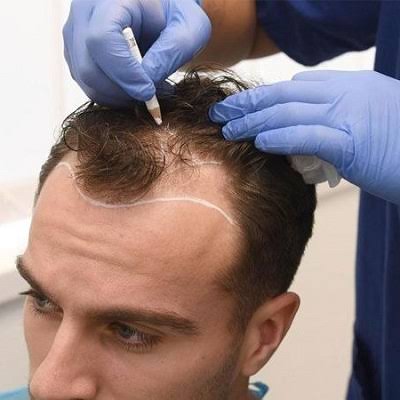
Hair restoration is an important consideration for individuals experiencing hair thinning, receding hairlines, or visible areas of reduced hair density. A successful hair transplant aims to improve coverage while preserving the natural appearance of the hairline and respecting the direction, angle, and distribution of existing hair. Choosing hair transplant in dubai allows individuals to explore professional hair restoration options suited to their concerns and expectations.
At Beaute Concept clinic dubai, the hair restoration process can begin with an assessment of the scalp, donor hair availability, hair loss pattern, and long-term goals. Understanding these factors helps establish a treatment plan that prioritizes natural-looking growth rather than focusing exclusively on the number of grafts transplanted.
Understanding Hair Transplantation and Natural Growth
Hair transplantation involves relocating hair follicles from a donor area, commonly the back or sides of the scalp, to regions affected by hair loss. The objective is to improve density while creating a balanced appearance that complements the individual’s facial features.
The outcome depends on several factors, including donor hair quality, scalp condition, the extent of hair loss, and the characteristics of the transplanted follicles. Existing hair may continue to thin after the procedure, which makes long-term planning an important part of the consultation process.
Individuals considering the best hair transplant in dubai should understand that results vary and that a transplant cannot guarantee complete restoration of the original hair density. A careful assessment helps establish realistic expectations and determine whether the procedure is appropriate.
Why Natural Hairline Design Matters
The hairline plays a major role in the overall appearance of a hair transplant. An excessively low, straight, or densely packed hairline may look unnatural, particularly as facial features and surrounding hair change over time.
Assessing Facial Proportions
Hairline design should take into account forehead dimensions, facial proportions, age, and the individual’s existing hair pattern. A carefully planned hairline can create a more harmonious appearance without appearing artificially uniform.
Following Natural Hair Direction
Natural hair grows at different angles across the scalp. Reproducing these directions is important for creating a realistic appearance, especially around the frontal hairline and temples.
Planning for Future Hair Loss
Hair loss may progress after transplantation. A responsible treatment plan considers the possibility of future thinning and preserves sufficient donor hair for potential future needs.
Evaluating Donor Hair and Scalp Conditions
Donor hair availability is one of the most important factors in determining transplant suitability. The density, thickness, texture, and distribution of donor follicles influence how much coverage may be achieved.
A consultation typically includes an examination of the scalp and a review of medical history, previous hair loss treatments, and any relevant health conditions. The practitioner may also assess whether the hair loss pattern is stable enough for transplantation.
Individuals with limited donor reserves may need a conservative approach to avoid overharvesting. The aim is to distribute available grafts strategically rather than concentrating all resources in one area.
Hair Transplant Techniques and Treatment Planning
Different transplantation techniques may be considered according to the patient’s needs and the practitioner’s assessment.
Follicular Unit Extraction
Follicular Unit Extraction, commonly known as FUE, involves removing individual follicular units from the donor area and implanting them into the recipient area. This technique avoids a single linear donor scar, although small scars may remain.
Follicular Unit Transplantation
Follicular Unit Transplantation, or FUT, involves removing a strip of scalp tissue from the donor area and separating it into follicular units for transplantation. It may be suitable for selected patients, but it generally leaves a linear scar.
The choice between these approaches depends on donor characteristics, hairstyle preferences, scalp conditions, and the proposed treatment plan. Neither method guarantees a particular density or outcome.
The Importance of Graft Distribution
Graft distribution affects how natural and balanced the final appearance may be. The frontal region often requires careful attention because it is highly visible and contributes significantly to the perceived hairline shape.
A treatment plan may prioritize the frontal hairline, mid-scalp, or crown depending on the individual’s pattern of hair loss. The number of grafts required should be determined by clinical assessment rather than a fixed target.
Strategic placement can help make effective use of available donor hair. However, transplantation has biological limitations, and very high density may not be achievable for every individual.
Recovery and Hair Growth After Transplantation
Recovery occurs gradually, and patients should understand the expected stages before undergoing treatment. Temporary swelling, redness, tenderness, and scabbing may occur during the initial healing period.
Transplanted hairs commonly shed during the early weeks after the procedure. This is a normal part of the hair growth cycle and does not necessarily mean that the transplanted follicles have failed.
New growth generally becomes noticeable over the following months, with further improvement developing over time. The final appearance often takes around 9 to 12 months or longer to assess, depending on the individual and the treatment area.
Following aftercare instructions and attending recommended follow-up appointments can help monitor recovery. Patients should contact their medical provider if they experience unexpected symptoms or signs of infection.
Maintaining Existing Hair After Transplantation
A hair transplant does not prevent untreated hair from continuing to thin. Existing follicles may remain vulnerable to the underlying cause of hair loss, so ongoing management may be recommended.
Depending on the diagnosis, a healthcare professional may discuss suitable medical treatments, scalp care, or other supportive measures. Any medication should be considered according to individual medical circumstances and professional advice.
Maintaining realistic expectations is essential. A transplant can improve coverage in selected areas, but it does not stop every form of hair loss or guarantee lifelong density.
Choosing the Best Hair Transplant Clinic in Dubai
Selecting a suitable provider requires careful consideration of medical qualifications, experience, hygiene standards, consultation quality, and follow-up arrangements. Patients should ask who will perform each stage of the procedure and how potential complications are managed.
At best hair transplant clinic in dubai, individuals can explore hair restoration considerations and discuss their goals before deciding whether treatment is suitable. A comprehensive consultation should explain the proposed technique, expected coverage, donor limitations, recovery process, and potential risks.
The decision should be based on clear information and an individualized assessment rather than promises of guaranteed results.
Frequently Asked Questions
How long does it take to see hair transplant results?
Initial shedding is common after transplantation. New growth generally develops over several months, while the overall result often takes 9 to 12 months or longer to evaluate.
Does a hair transplant create completely natural hair?
A transplant can produce a natural-looking appearance when the hairline, graft placement, and growth direction are carefully planned. Results vary according to individual characteristics and the skill of the medical team.
Can transplanted hair fall out?
Transplanted hairs may shed temporarily during the early growth cycle. The transplanted follicles can subsequently produce new hair, although individual outcomes differ.
Is everyone suitable for a hair transplant?
No. Suitability depends on the cause and pattern of hair loss, donor hair availability, scalp health, and overall medical circumstances. A professional assessment is necessary before treatment.
Will I need additional treatment in the future?
Some individuals may benefit from further treatment or ongoing management of existing hair. Future needs depend on hair loss progression, initial results, and donor hair availability.
Conclusion
Hair transplantation can improve coverage and help restore the appearance of a thinning hairline when treatment is planned around natural growth patterns and individual donor limitations. Careful assessment, appropriate graft distribution, realistic expectations, and consistent aftercare are essential considerations throughout the process.
Beaute Concept clinic dubai provides a starting point for individuals exploring hair restoration options. By prioritizing personalized planning and understanding the long-term nature of hair loss, patients can make more informed decisions about achieving balanced, natural-looking coverage.