A damaged, weakened, heavily restored, or worn tooth may need more than a routine filling to restore its shape and function. In such situations, a dental crown can provide a customized restoration that covers the visible portion of the tooth and helps bring it back into a more natural form.
If you are considering Tooth Crown Dubai, knowing what happens during a crown appointment can make the treatment process easier to understand. From the initial dental examination and tooth preparation to digital impressions, crown design, fitting, and aftercare, each stage has an important role in creating a restoration that fits comfortably and works naturally with the surrounding teeth.
A dental crown is not simply a standard cap placed over every damaged tooth. It is individually designed according to the condition of the tooth, its location, your bite, aesthetic preferences, and the amount of healthy tooth structure that remains.
What Is a Tooth Crown?
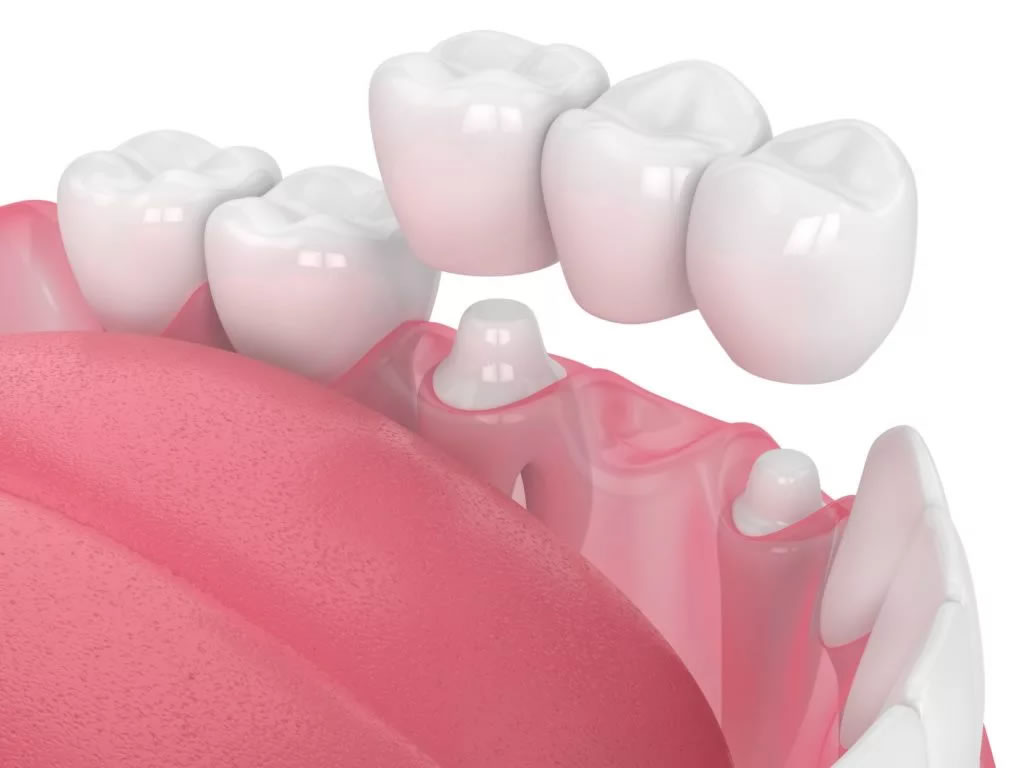
A tooth crown is a custom-made dental restoration designed to cover the visible part of a prepared tooth. It can restore the tooth’s shape, size, appearance, and function when a significant amount of its natural structure has been affected.
Crowns may be recommended for teeth affected by extensive decay, large fillings, fractures, significant wear, or previous dental treatment. They can also be used as part of implant dentistry.
Unlike a filling, which restores a specific area of the tooth, a crown covers a much larger portion of the tooth. This makes it useful when the remaining tooth structure requires a more comprehensive restoration.
Why Might You Need a Tooth Crown?
Your dentist may recommend a crown when a tooth has lost substantial structure and requires a restoration that covers and protects the remaining tooth.
Common situations where a crown may be considered include extensive decay, a tooth with a large filling, a fractured tooth, significant wear, or a tooth that has undergone root canal treatment.
The decision depends on the individual condition of the tooth. Your dentist will examine the tooth and surrounding tissues before deciding whether a crown is the most appropriate treatment.
Your Initial Tooth Crown Consultation
The first stage of a Tooth Crown Dubai appointment is generally a dental consultation and examination.
Your dentist will assess the tooth that needs treatment and may examine the surrounding teeth and gums as well. Depending on the situation, dental X-rays or other diagnostic images may be recommended.
The purpose of this assessment is to understand the condition of the tooth and determine whether it has enough healthy structure to support a crown.
Your dentist may also evaluate your bite to understand how the tooth interacts with the upper and lower teeth.
Discussing Your Dental Goals
Before the crown is designed, you will have an opportunity to discuss your expectations with your dentist.
For a visible front tooth, appearance may be an important consideration. You can discuss the desired shade, shape, size, and overall appearance of the restoration.
For a back tooth, chewing function and durability may receive greater attention.
Your dentist can explain which crown materials are suitable for the particular tooth and how the restoration will be designed to blend with the surrounding teeth.
Dental Examination and Assessment
A thorough examination is essential before beginning crown treatment.
Your dentist may assess:
- The amount of remaining tooth structure
- Existing fillings
- Tooth decay
- Tooth wear
- The condition of the gums
- The surrounding teeth
- Bite alignment
- Previous dental treatment
This information helps the dentist determine whether a crown is appropriate and what type of preparation will be required.
If another dental issue needs attention first, your dentist may recommend addressing it before proceeding with the crown.
Preparing the Tooth for a Crown
Once the treatment plan is established, the tooth is prepared to accommodate the crown.
The amount of preparation depends on the type of crown, the condition of the tooth, and the amount of existing structure.
The dentist carefully reshapes the tooth so the crown can fit securely and maintain the appropriate relationship with neighbouring and opposing teeth.
The preparation is performed with precision because the final crown needs to fit accurately within the existing dental arch.
Taking Digital Scans or Dental Impressions
After the tooth has been prepared, the dentist needs detailed information about its shape and surrounding teeth.
Many modern dental clinics use digital scanning technology to capture an accurate three-dimensional representation of the mouth.
In other cases, traditional dental impressions may be used.
The information is sent to the dental laboratory or used with digital manufacturing technology to create the customized crown.
The quality of this stage is important because the crown must be designed according to the exact dimensions of the prepared tooth.
Choosing the Crown Material
The material used for your crown can influence its appearance, strength, and suitability for a particular tooth.
Common options include ceramic, porcelain-based materials, zirconia, and certain metal or metal-based restorations.
For visible teeth, the dentist may focus particularly on colour, translucency, and natural appearance. For back teeth, strength and chewing function may be especially important.
Your dentist will recommend a material based on the tooth’s location, bite forces, aesthetic goals, and individual dental requirements.
Selecting the Right Crown Shade
For a visible tooth, selecting an appropriate shade is an important part of treatment planning.
The dentist can compare different shades with your natural teeth and choose an option that creates a harmonious appearance.
The aim is generally to ensure that the crown does not look noticeably different from the surrounding teeth.
The shade selection may be influenced by the colour of adjacent teeth, your preferences, and the type of crown material selected.
Receiving a Temporary Crown
Depending on the treatment process, you may receive a temporary crown while your permanent restoration is being made.
The temporary restoration covers the prepared tooth and allows you to use the area while waiting for the final crown.
Your dentist will provide specific instructions about caring for the temporary crown and maintaining good oral hygiene during this stage.
The temporary crown is not the final restoration, so you should follow the dental team’s instructions until your permanent crown is fitted.
Creating Your Custom Tooth Crown
The permanent crown is made according to the dental impressions or digital scan.
The laboratory considers the dimensions of the prepared tooth, surrounding teeth, bite, colour, and requested material.
A custom-made approach helps ensure that the crown is designed specifically for you rather than using a generic size.
For highly visible teeth, the dental team may pay particular attention to the shape and colour to create a natural relationship with the surrounding smile.
The Crown Fitting Appointment
Once the permanent crown is ready, you will return for the fitting appointment.
The dentist first places the crown over the prepared tooth and checks its fit.
Several factors are assessed, including:
- Crown position
- Fit around the tooth
- Contact with neighbouring teeth
- Bite relationship
- Shape and appearance
- Colour
- Overall comfort
The dentist may make minor adjustments if necessary to achieve an appropriate fit.
Checking Your Bite
Checking your bite is an important part of the final fitting.
Your upper and lower teeth need to meet correctly when you close your mouth and chew.
The dentist may ask you to bite down in different ways to evaluate the crown’s relationship with the opposing teeth.
If the crown is slightly high or the contact is not ideal, adjustments can be made before the restoration is permanently secured.
Securing the Permanent Crown
Once the dentist is satisfied with the fit, appearance, and bite, the crown can be permanently attached to the prepared tooth using appropriate dental cement or bonding materials.
The dentist ensures that the crown is correctly positioned before it is secured.
After placement, the dentist may perform a final check to confirm that the restoration functions properly with the surrounding teeth.
What Does the Appointment Feel Like?
Every patient’s experience is different, but the dental team will generally work to make the appointment as comfortable as possible.
Local dental anaesthesia may be used during tooth preparation when appropriate.
The dentist will explain the stages of treatment and can answer questions throughout the appointment.
If you feel uncertain about any part of the process, discussing your concerns before treatment can help you understand what to expect.
How Long Does Tooth Crown Treatment Take?
The timeline varies depending on the condition of the tooth, the type of crown, laboratory process, and technology available at the dental clinic.
Some crown treatments may require more than one appointment. The first appointment may involve examination, preparation, and scanning, while a later appointment may be used for final fitting.
Certain dental practices may offer advanced digital workflows that can shorten the overall process in appropriate cases.
Your dentist can provide a more accurate timeline after examining your tooth and discussing the selected crown material.
Caring for Your Crown After the Appointment
After your permanent crown is placed, maintaining good oral hygiene is essential.
Continue brushing your teeth regularly and clean between your teeth according to your dentist’s recommendations.
You should also attend routine dental appointments so your dentist can monitor the crown, surrounding teeth, and gums.
Although the crown replaces the visible portion of a damaged tooth, the surrounding natural tooth structure and gums still require regular care.
Adjusting to Your New Crown
A new crown may initially feel different from the original tooth because its shape and surface have been restored.
Your mouth may take some time to adjust to the new restoration.
If the crown continues to feel unusually high or interferes with your bite after the initial adjustment period, contact your dentist so it can be evaluated.
Your dental team can determine whether a simple adjustment is required.
How to Maintain Your Tooth Crown
Maintaining a crown is similar to maintaining your natural teeth.
Brush twice daily using an appropriate toothbrush and fluoride toothpaste, and clean between your teeth regularly.
Avoid using your teeth to open packages or bite objects that are not intended for chewing.
Regular dental examinations allow the dentist to monitor the crown and detect any changes in the surrounding teeth or gums.
Good oral hygiene is an important part of maintaining your overall dental health.
Choosing a Dental Clinic for Tooth Crown Dubai
Choosing the right dental clinic is an important step when considering Tooth Crown Dubai.
If you are researching Cornerstone Dubai, consider the experience and qualifications of the dental professionals, available technology, treatment-planning process, dental laboratory services, and follow-up care.
During your consultation, you should have the opportunity to ask questions about crown materials, preparation, treatment time, fitting, and aftercare.
A detailed consultation can help you understand the proposed treatment and decide whether it aligns with your dental needs.
Questions to Ask Before Your Crown Appointment
Before starting treatment, consider asking your dentist:
- Why do I need a crown?
- Is a crown the best option for my tooth?
- Which crown material is recommended?
- How much tooth preparation will be required?
- Will I need a temporary crown?
- How many appointments will I need?
- How will the crown be matched to my natural teeth?
- How will my bite be checked?
- What should I do after the crown is placed?
- How should I care for the restoration long term?
Having these questions answered can help you feel more prepared for your treatment.
Conclusion
A Tooth Crown Dubai appointment typically involves several carefully planned stages, beginning with a dental examination and consultation and continuing through tooth preparation, digital scanning or impressions, crown fabrication, fitting, bite assessment, and final placement.
The purpose of a crown is to restore a damaged or weakened tooth while providing an appropriate shape, function, and appearance. Because every tooth is different, the treatment plan is customized according to the condition of the tooth, its position, bite, surrounding teeth, and aesthetic requirements.
If you are considering Cornerstone Dubai, discussing your concerns and expectations during your consultation can help you understand the recommended crown material, treatment timeline, preparation process, and aftercare.
With appropriate planning and regular dental care, a custom-made crown can become a valuable part of restoring the function and appearance of a compromised tooth.
FAQs
What is Tooth Crown Dubai?
Tooth Crown Dubai refers to a customized dental restoration designed to cover and restore a damaged, weakened, worn, or heavily restored tooth. It can help restore the tooth’s shape, appearance, and function.
What happens during the first tooth crown appointment?
The first appointment generally includes a dental examination, discussion of your concerns, assessment of the tooth, and treatment planning. The dentist may also take X-rays or digital scans when appropriate.
Does the tooth need to be prepared for a crown?
Yes. The tooth is usually reshaped to create sufficient space for the crown and allow it to fit correctly within the dental arch. The amount of preparation depends on the tooth and the selected restoration.
Will my dentist take a digital scan?
Many modern dental clinics use digital scanning technology to capture detailed information about the prepared tooth and surrounding teeth. Traditional impressions may also be used depending on the clinic and treatment plan.
What materials can be used for a tooth crown?
Common materials include ceramic, porcelain-based materials, zirconia, and certain metal or metal-based restorations. The appropriate material depends on the location of the tooth, function, aesthetics, and individual requirements.
Will I receive a temporary crown?
A temporary crown may be provided while the permanent crown is being fabricated. Your dentist will explain how to care for the temporary restoration until your final appointment.
What happens at the final crown appointment?
The dentist places the permanent crown over the prepared tooth and checks its fit, shape, colour, contact with neighbouring teeth, and bite. Once everything is appropriate, the crown is permanently secured.
How does the dentist check my bite?
You may be asked to bite down normally and in different positions. The dentist checks how the crown contacts the opposing teeth and can make small adjustments if necessary.
How long does a Tooth Crown Dubai appointment take?
Treatment time varies according to the tooth, crown material, preparation required, and dental laboratory process. Your dentist can provide an estimated timeline after examining your tooth.
Can a crown look like a natural tooth?
Yes. Modern dental crowns can be customized according to the colour, shape, size, and proportions of surrounding teeth. The dentist can select a suitable shade and design for your smile.
How should I care for my new crown?
Continue brushing regularly, clean between your teeth, maintain routine dental appointments, and follow the specific care instructions provided by your dentist.
Can I eat normally after getting a crown?
Your dentist will provide personalized instructions based on the type of crown and the stage of treatment. If you have a temporary crown, you may receive specific guidance about foods and chewing until the permanent restoration is placed.
How long can a dental crown last?
The lifespan varies according to the crown material, oral hygiene, bite forces, tooth location, and general dental care. Regular dental check-ups allow your dentist to monitor the restoration over time.
What should I ask at a Cornerstone Dubai crown consultation?
Ask why a crown is recommended, which material is appropriate, how much tooth preparation is needed, how many appointments are expected, how the crown will be matched to your teeth, and what aftercare will be required.
Is a tooth crown the same as a filling?
No. A filling generally restores a specific portion of a tooth, while a crown covers a larger portion of the visible tooth. A crown may be considered when a tooth has lost substantial structure.