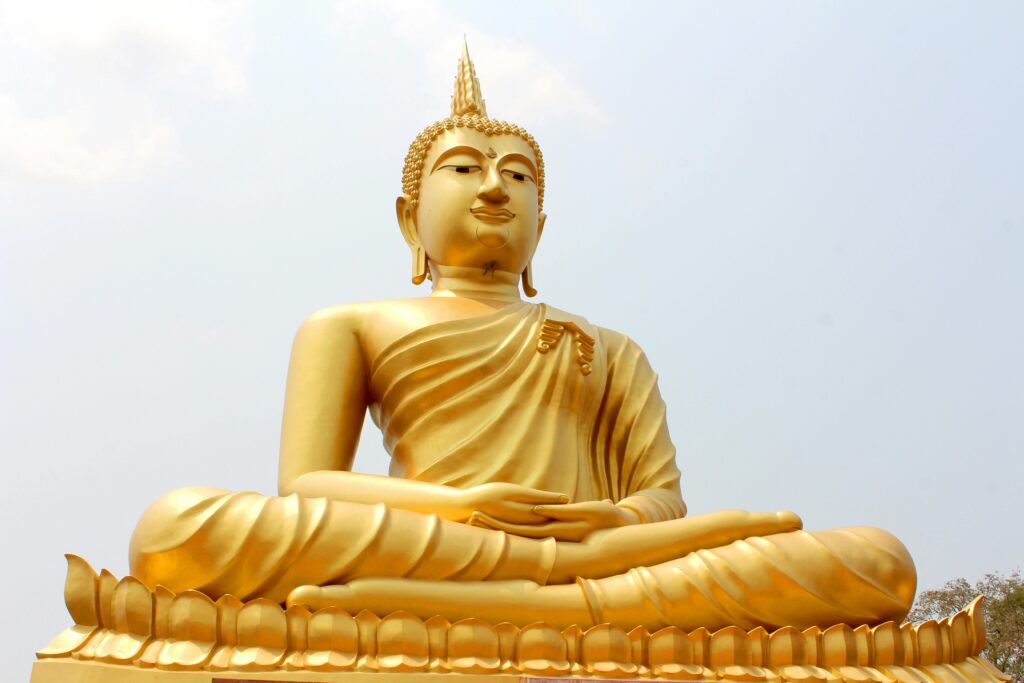
India, the birthplace of Buddhism, is home to countless sacred sites that narrate the journey of the Buddha and the spread of his teachings. Buddhist Monasteries in India are not only centers of spiritual practice but also architectural marvels, cultural hubs, and repositories of centuries-old wisdom. From the snow-clad Himalayas to the plains of Bihar, these monasteries attract pilgrims, scholars, and travelers seeking peace, knowledge, and cultural immersion.
Bodh Gaya: The Cradle of Enlightenment
- Mahabodhi Monastery Complex: Surrounding the Mahabodhi Temple, monasteries built by countries like Thailand, Japan, and Myanmar showcase diverse Buddhist traditions.
- International Monasteries: Each monastery reflects its country’s architectural style, offering a global perspective on Buddhism.
- Spiritual Significance: Bodh Gaya remains the most revered site, where Siddhartha Gautama attained enlightenment under the Bodhi Tree.
Sarnath: The First Sermon
- Mulagandha Kuti Vihara: Built by the Mahabodhi Society, this monastery is known for its murals depicting Buddha’s life.
- Ancient Monastic Ruins: Excavations reveal monasteries where monks once studied and meditated.
- Cultural Importance: Sarnath is where Buddha delivered his first sermon, making it a cornerstone of Buddhist heritage.
Kushinagar: The Mahaparinirvana
- Mahaparinirvana Monastery: Houses the reclining Buddha statue, symbolizing his final moments.
- International Monasteries: Built by countries like Japan, Myanmar, and Sri Lanka, enhancing Kushinagar’s global appeal.
- Pilgrimage Significance: Kushinagar is where Buddha attained Mahaparinirvana, making it a sacred destination.
Nalanda and Rajgir: Centers of Learning
- Nalanda University Ruins: Once a global center of Buddhist learning, attracting scholars from across Asia.
- Nalanda Monasteries: Excavated structures reveal the grandeur of ancient monastic life.
- Rajgir Monasteries: Associated with Buddha’s teachings and meditation retreats, including Gridhakuta Hill.
- Modern Revival: Nalanda University is being revived as a hub of global education.
Shravasti: The Land of Miracles
- Jetavana Monastery: Buddha spent 24 rainy seasons here, delivering many sermons.
- Ananda Bodhi Tree: Planted by Buddha’s disciple Ananda, still revered today.
- Monastic Ruins: Reflect the grandeur of Shravasti during the Buddhist era.
- Spiritual Appeal: A tranquil destination for meditation and reflection.
Ajanta and Ellora Caves: Artistic Monasteries
- Ajanta Caves: Rock-cut monasteries adorned with murals depicting Jataka tales.
- Ellora Caves: A UNESCO World Heritage Site showcasing Buddhist, Hindu, and Jain art.
- Monastic Complexes: Reflect the architectural brilliance of ancient India.
- Cultural Significance: These caves highlight the fusion of spirituality and artistry.
Himalayan Monasteries: Serenity Amidst Peaks
Tawang Monastery (Arunachal Pradesh)
- Largest monastery in India, second only to Lhasa’s Potala Palace.
- A center for Mahayana Buddhism, surrounded by snow-clad peaks.
Rumtek Monastery (Sikkim)
- Seat of the Karmapa lineage of Tibetan Buddhism.
- Known for its golden stupa and vibrant rituals.
Hemis Monastery (Ladakh)
- Famous for the Hemis Festival, celebrating Guru Padmasambhava.
- Rich in thangkas, relics, and Buddhist art.
Thiksey Monastery (Ladakh)
- Resembles Lhasa’s Potala Palace, with a giant Maitreya Buddha statue.
- Offers panoramic views of the Indus Valley.
Dharamshala and McLeod Ganj: The Tibetan Connection
- Namgyal Monastery: The personal monastery of the Dalai Lama.
- Gyuto Monastery: Known for tantric rituals and chanting.
- Cultural Fusion: A blend of Indian and Tibetan traditions, making it a vibrant destination.
- Tourist Appeal: Meditation centers, Tibetan museums, and cultural festivals attract global visitors.
Other Notable Buddhist Monasteries in India
- Mindrolling Monastery (Dehradun): One of the largest Tibetan monasteries in India.
- Ghoom Monastery (Darjeeling): Famous for its 15-foot Maitreya Buddha statue.
- Namdroling Monastery (Bylakuppe, Karnataka): Known as the Golden Temple, housing thousands of monks.
- Zangdok Palri Monastery (Kalimpong): A sacred site built to preserve Buddhist scriptures.
Festivals and Cultural Experiences in Monasteries
- Buddha Purnima: Celebrated with prayers, meditation, and rituals.
- Losar: Tibetan New Year celebrated in Himalayan monasteries.
- Hemis Festival: Masked dances and rituals in Ladakh.
- Saga Dawa: Celebrates Buddha’s birth, enlightenment, and death.
Culinary Traditions in Monasteries
- Vegetarian Meals: Reflect Buddhist principles of non-violence.
- Offerings: Fruits, rice, and sweets offered to monks and deities.
- Regional Delicacies: Momos, thukpa, and butter tea in Himalayan monasteries.
- Community Dining: Shared meals foster unity and compassion.
Emerging Trends in Buddhist Monasteries
- Spiritual Retreats: Meditation and yoga centers are gaining popularity.
- Eco-Tourism: Sustainable practices in monasteries and villages.
- Digital Outreach: Live-streaming of ceremonies connects global audiences.
- Wellness Tourism: Monasteries integrated with meditation retreats and wellness programs.
Accessibility and Infrastructure
- Major Hubs: Bodh Gaya, Sarnath, Kushinagar, Ladakh, Sikkim, and Dharamshala.
- Transport: Airports in Patna, Varanasi, Leh, Gangtok, and Dehradun enhance accessibility.
- Accommodation: Monasteries, guesthouses, and resorts cater to diverse travelers.
- Tourism Support: Government initiatives promote Buddhist circuits and monastery tourism.
Why Buddhist Monasteries in India Stand Out
- Historical Significance: Linked directly to Buddha’s life and teachings.
- Spiritual Appeal: Centers for meditation, prayer, and enlightenment.
- Cultural Diversity: Monasteries built by global communities enrich the experience.
- Global Recognition: UNESCO sites and international pilgrimages highlight their importance.
Sample Itinerary: 12 Days Exploring Buddhist Monasteries
- Day 1–2: Bodh Gaya (Mahabodhi Temple, international monasteries).
- Day 3–4: Sarnath (Mulagandha Kuti Vihara, museum).
- Day 5–6: Kushinagar (Mahaparinirvana Monastery, Ramabhar Stupa).
- Day 7–8: Nalanda and Rajgir (Nalanda ruins, Shanti Stupa).
- Day 9: Shravasti (Jetavana Monastery, stupas).
- Day 10: Ajanta Caves (murals, monastic complexes).
- Day 11: Ellora Caves (Buddhist and Hindu art).
- Day 12: Dharamshala (Namgyal Monastery, Tibetan culture).
Conclusion
Buddhist Monasteries in India are not just places of worship—they are living embodiments of peace, wisdom, and cultural heritage. Whether it is the serenity of Bodh Gaya, the grandeur of Tawang, or the artistry of Ajanta, these monasteries offer profound experiences. As India continues to preserve and promote its Buddhist legacy, these monasteries stand as timeless reminders of the Buddha’s teachings and their relevance in today’s world.