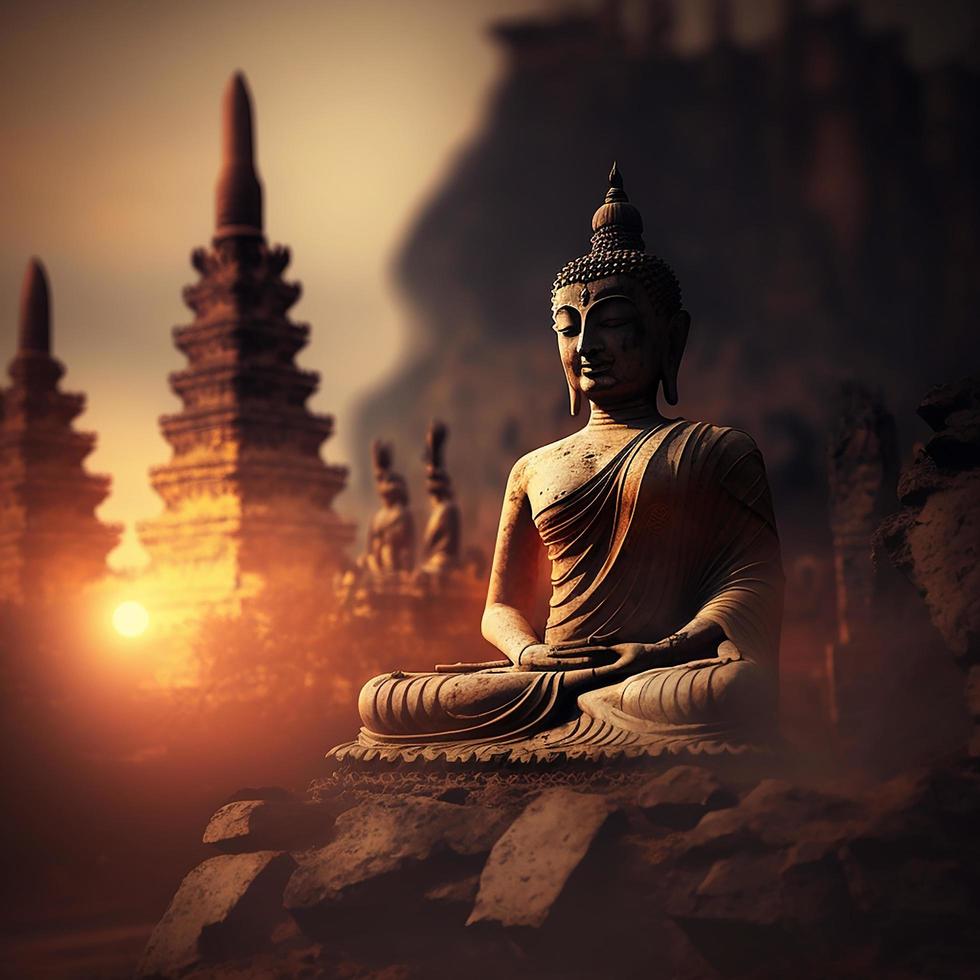
India is the birthplace of Buddhism, a philosophy and way of life that has influenced millions across the world. Popular Buddhist Destinations in India attract pilgrims, historians, and travelers who wish to explore the roots of this ancient tradition. From sacred temples and monasteries to serene meditation spots, these destinations offer a blend of spirituality, history, and cultural richness.
Introduction to Buddhist Tourism in India
Buddhism originated in the 6th century BCE with the teachings of Siddhartha Gautama, who became the Buddha. India is home to many sites associated with his life—from his birth and enlightenment to his first sermon and Mahaparinirvana. Today, these places are not only religious landmarks but also cultural treasures that showcase India’s heritage.
Tourism here thrives on spirituality, history, and peace. Whether you are a pilgrim seeking blessings or a traveler curious about Buddhist culture, India offers a wide range of destinations to explore.
Why Buddhist Destinations in India Are Special
- Historical Significance: Sites linked directly to Buddha’s life.
- Spiritual Value: Centers for meditation, prayer, and learning.
- Architectural Beauty: Stupas, monasteries, and temples with intricate designs.
- Cultural Richness: Blend of Indian, Tibetan, and Southeast Asian influences.
- Global Appeal: Pilgrims and tourists from across the world visit these sites.
Popular Buddhist Destinations in India
1. Bodh Gaya – The Place of Enlightenment
Bodh Gaya in Bihar is the most sacred Buddhist site. It was here that Siddhartha attained enlightenment under the Bodhi Tree. The Mahabodhi Temple, a UNESCO World Heritage site, is the centerpiece. Pilgrims meditate under the Bodhi Tree and visit monasteries built by countries like Thailand, Japan, and Bhutan.
2. Sarnath – The First Sermon
Located near Varanasi, Sarnath is where Buddha delivered his first sermon after enlightenment. The Dhamek Stupa, Chaukhandi Stupa, and Mulagandha Kuti Vihara are major attractions. The site also houses a museum with Ashokan pillars and Buddhist relics.
3. Kushinagar – The Mahaparinirvana
Kushinagar in Uttar Pradesh is where Buddha attained Mahaparinirvana (final liberation). The Mahaparinirvana Temple with its reclining Buddha statue and the Ramabhar Stupa are key sites. It is a place of deep spiritual reflection.
4. Rajgir – The Seat of Teachings
Rajgir in Bihar was an important center during Buddha’s lifetime. He delivered many sermons here, and the Griddhakuta Hill (Vulture’s Peak) is a sacred site. The Vishwa Shanti Stupa and hot springs add to its charm.
5. Shravasti – The Rain Retreat
Shravasti in Uttar Pradesh was where Buddha spent many monsoon retreats. The Jetavana Monastery is a major attraction, along with stupas and ruins that reflect its historical importance.
6. Nalanda – The Ancient University
Nalanda in Bihar was one of the world’s first residential universities, attracting scholars from across Asia. The ruins of Nalanda University and the Nalanda Archaeological Museum showcase its grandeur. It was a hub of Buddhist learning for centuries.
7. Ajanta and Ellora Caves – Artistic Marvels
Located in Maharashtra, the Ajanta and Ellora Caves are UNESCO World Heritage sites. They feature rock-cut monasteries, temples, and intricate paintings depicting Buddhist stories. These caves highlight the artistic brilliance of ancient India.
8. Tawang Monastery – Himalayan Spirituality
In Arunachal Pradesh, the Tawang Monastery is one of the largest in India. Surrounded by mountains, it is a center of Tibetan Buddhism and offers breathtaking views along with spiritual serenity.
9. Rumtek Monastery – Sikkim’s Pride
Rumtek Monastery near Gangtok is a major center of Tibetan Buddhism. It houses sacred relics and is known for its vibrant festivals and rituals.
10. Dharamshala – The Tibetan Connection
Dharamshala in Himachal Pradesh is the residence of the Dalai Lama. The Namgyal Monastery and Tibetan cultural centers make it a hub for Buddhist learning and practice.
Cultural Experiences at Buddhist Destinations
- Meditation Retreats: Many monasteries offer meditation programs.
- Festivals: Buddha Purnima, Losar, and other Buddhist festivals are celebrated with devotion.
- Cuisine: Simple vegetarian meals, Tibetan momos, and herbal teas.
- Handicrafts: Thangka paintings, prayer wheels, and Buddhist sculptures.
Adventure and Nature Around Buddhist Sites
Many Buddhist destinations are located in scenic regions:
- Trekking: Around Rajgir, Dharamshala, and Sikkim.
- Nature Walks: In Bodh Gaya and Kushinagar.
- Mountain Views: From Tawang and Rumtek monasteries.
Eco-Tourism and Buddhist Values
Buddhism emphasizes harmony with nature. Many sites promote eco-tourism through sustainable practices, organic farming, and conservation. Visitors are encouraged to respect the environment and local traditions.
Best Time to Visit Buddhist Destinations
- Winter (October–March): Pleasant weather for sightseeing.
- Summer (April–June): Suitable for hill destinations like Dharamshala and Tawang.
- Monsoon (July–September): Lush landscapes but heavy rains in some regions.
Government Initiatives for Buddhist Tourism
India promotes Buddhist tourism through the Buddhist Circuit, connecting Bodh Gaya, Sarnath, Kushinagar, and other sites. Infrastructure development, international collaborations, and cultural festivals enhance the appeal of these destinations.
Suggested Itineraries
Classic Buddhist Circuit
- Bodh Gaya → Rajgir → Nalanda → Sarnath → Kushinagar
Himalayan Circuit
- Dharamshala → Rumtek → Tawang → Sikkim monasteries
Artistic & Cultural Circuit
- Ajanta → Ellora → Nalanda → Bodh Gaya
Conclusion
Popular Buddhist Destinations in India are not just places to visit—they are experiences that touch the soul. From the Bodhi Tree in Bodh Gaya to the serene monasteries of Sikkim, from the artistic caves of Ajanta to the spiritual retreats of Dharamshala, these sites offer a journey into peace, wisdom, and cultural richness. Whether you are a pilgrim, a traveler, or a seeker of knowledge, India’s Buddhist destinations welcome you with open arms. Truly, they are treasures that continue to inspire the world.