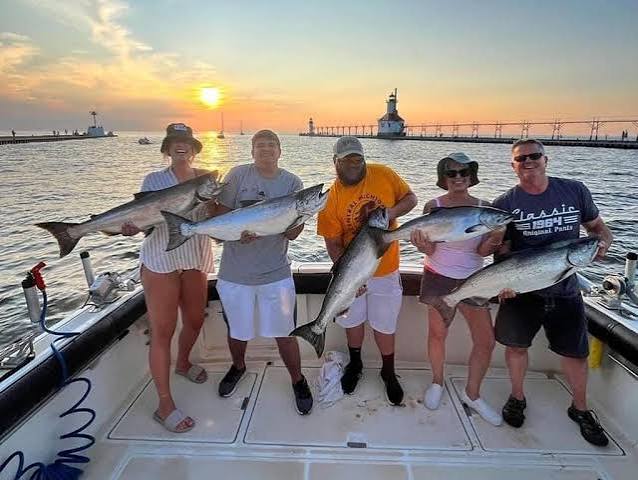
Why Is Trout Fishing Lake Michigan a Popular Choice for Anglers?
Lake Michigan offers anglers a wide range of fishing opportunities, making it an appealing destination for people who enjoy freshwater fishing. Its large open waters, changing temperatures, different depths, and diverse fish populations create an interesting environment for both experienced anglers and beginners. Trout fishing lake michigan attracts attention because anglers may encounter several trout and salmon species while exploring different areas of the lake. Lake trout, brown trout, steelhead, and other salmonids provide different fishing experiences depending on location and season. Some anglers prefer fishing from boats in deeper water, while others enjoy trying their luck near shorelines, piers, and tributary areas where permitted. Successful fishing requires more than simply choosing a location. Understanding water conditions, fish behavior, suitable equipment, and local regulations can help anglers prepare for a more productive and enjoyable outing.
How Can Trout Fishing Lake Michigan Become More Successful With Proper Preparation?
Preparation plays an important role in making a fishing trip more organized and enjoyable. Anglers should learn about the area they plan to visit, identify the species they want to target, and understand the conditions that may influence fish activity. Trout fishing lake michigan can involve different approaches because fish may move between shallow and deeper water as temperatures and seasons change. Before leaving home, anglers should check the weather forecast, wind conditions, water temperatures when available, and local fishing reports. They should also prepare suitable rods, reels, lines, hooks, lures, and safety equipment for the planned fishing method. Boat anglers need to review their route and make sure their vessel is appropriate for the lake’s conditions. Shore anglers should identify legal access points and check whether local restrictions apply. A little preparation can help anglers make informed decisions instead of relying entirely on luck.
Which Trout Species Can Anglers Find in Lake Michigan?
Lake Michigan supports several trout and salmon species that attract anglers throughout different parts of the year. Lake trout are a well-known native species and are often associated with colder, deeper water. Brown trout can be found in different habitats, including areas near shore during suitable conditions. Steelhead, which are rainbow trout that migrate between the lake and tributary systems, also provide exciting opportunities in appropriate locations and seasons. Other salmon species, including coho and Chinook, are frequently discussed alongside trout because they are important parts of the lake’s recreational fishery. Each species has different feeding patterns, habitat preferences, and seasonal movements. Anglers should learn to identify their catch accurately before deciding whether to keep it. Fish identification is especially important because size limits, possession limits, and other regulations may differ according to species and fishing location.
What Is the Best Time of Year to Target Trout?
The best time to target trout depends on the species, fishing location, water temperature, and conditions anglers encounter. During cooler periods, some trout may move closer to shore or become accessible in shallower areas. As surface water warms, certain species often spend more time in deeper, cooler parts of the lake. Seasonal changes can therefore influence the depth, location, and techniques anglers should consider. Spring fishing may provide opportunities along the shoreline, while summer boat fishing can involve searching deeper water and identifying suitable temperature zones. Fall can bring different movements associated with changing water conditions and spawning behavior. Winter opportunities depend heavily on local conditions and safe access. Anglers should avoid assuming that one season or technique works everywhere. Checking current fishing reports and regional regulations can help them choose a suitable time and location for their plans.
How Does Water Temperature Influence Trout Behavior?
Water temperature is one of the important factors that influence trout activity and distribution. Different trout species have temperature preferences, and fish may move when the surrounding water becomes warmer or colder. Lake trout generally prefer cold water and can spend much of their time at considerable depths, although they may be found in shallower areas during certain seasons. These movements can affect where anglers search for fish and how they present their lures. Temperature information can be especially useful for boat anglers who have access to equipment that measures conditions at different depths. Shore anglers can also pay attention to seasonal changes, nearby currents, and areas where cooler water may be present. Understanding temperature does not guarantee a catch, but it provides useful information when choosing fishing locations. Anglers who observe changing conditions can adjust their approach instead of repeatedly using the same depth and presentation.
Which Fishing Techniques Work Well for Lake Michigan Trout?
Several fishing techniques can be useful when targeting trout in Lake Michigan, but the most appropriate method depends on the species, depth, season, and location. Trolling is a common approach among boat anglers because it allows them to cover larger areas while presenting lures at selected depths. Downriggers can help control lure depth when fish are holding below the surface. Shore anglers may prefer casting spoons, spinners, or other suitable lures depending on local conditions. Bottom fishing can also be effective in certain situations, particularly when targeting lake trout near suitable bottom structure. Anglers should learn how each technique works and practice adjusting lure speed, depth, and presentation. The goal is to understand where fish may be feeding and present an appropriate offering. Trying different methods carefully can help anglers discover which approach works best under the conditions they encounter.
Why Is Trolling a Popular Method for Trout Fishing?
Trolling is popular because it allows anglers to move across the water while presenting lures at controlled speeds and depths. This method can be particularly useful when targeting fish that are spread across a large area or holding at different levels of the water column. Anglers may use spoons, diving plugs, flashers, flies, or other suitable combinations depending on their target species and local fishing conditions. Downriggers, planer boards, and other equipment can help organize lines and control presentations. However, successful trolling requires attention to boat speed, lure action, water temperature, and the depth where fish are likely to be found. Anglers should also understand safe boating practices and avoid crowded areas or restricted waters. Learning to read sonar and interpret fishing information can improve decision-making. Rather than relying on a single lure or speed, experienced anglers often adjust their setup as conditions change.
How Can Shore Anglers Find Trout Near the Lake Michigan Coastline?
Fishing from shore can provide an enjoyable alternative for people who do not own a boat or prefer staying close to land. Piers, public fishing areas, breakwalls, and suitable shoreline locations may provide opportunities to target trout and salmon when fish move within casting range. Anglers should look for areas where water movement, depth changes, and nearby structure may attract baitfish. Casting spoons, spinners, and other appropriate lures can be useful depending on the species and conditions. Some anglers also use bait presentations where local rules permit them. Wind direction, wave activity, water clarity, and temperature can influence fishing conditions along the shoreline. Safety should always come first because waves can wash over rocks and breakwalls, making certain locations dangerous. Anglers should check public access rules and avoid entering restricted or private areas. Choosing a safe and legal location is an essential part of planning a shore fishing trip.
What Equipment Should Beginners Bring for a Trout Fishing Trip?
Beginners do not need every piece of specialized fishing equipment to enjoy their first trip. A suitable rod and reel, appropriate fishing line, a selection of legal lures, hooks, pliers, and basic tackle storage can provide a useful starting point. The equipment should match the intended fishing method and the size of fish being targeted. Shore anglers may prefer a different setup from boat anglers who plan to troll deeper water. A landing net can help manage a fish near the boat or shoreline, while a measuring tool can assist with checking legal size requirements. Polarized sunglasses may improve visibility in certain conditions, and weather-appropriate clothing can make a long outing more comfortable. Beginners should also bring drinking water, food, sunscreen, and any required safety equipment. Before purchasing expensive gear, it is sensible to learn the basics and understand which equipment is actually needed for the planned fishing location.
How Should Anglers Select Lures for Different Trout Species?
Lure selection depends on the species being targeted, the water conditions, and the way fish are feeding. Spoons are widely used in Great Lakes fishing because their movement and flash can attract predatory fish. Plugs and other hard-bodied lures may be useful when anglers want to imitate small baitfish. Flasher and fly combinations are also used by some boat anglers when targeting trout and salmon. Color selection can depend on water clarity, light conditions, depth, and personal experience. Bright colors may be easier to notice in some situations, while natural patterns can be useful when fish are feeding on local baitfish. Anglers should avoid assuming that one lure color will work every day. Carrying a small selection of different shapes, sizes, and colors allows them to adjust their presentation. Keeping notes about successful lure choices can also help anglers understand patterns across future fishing trips.
Why Is Understanding Lake Depth Important When Targeting Trout?
Lake depth can influence where trout spend their time and how anglers should present their equipment. Lake Michigan contains extensive areas of deep water, along with shallower shoreline zones, reefs, drop-offs, and other underwater features. Lake trout often prefer colder water and may be found near the bottom or around suitable structure. During certain seasonal conditions, they can also move into shallower water. Anglers using boats may rely on sonar, charts, and temperature information to understand underwater conditions. These tools can help identify depth changes and locate areas worth exploring. Shore anglers can focus on accessible locations where water depth and structure provide suitable habitat. It is important to remember that fish do not remain at one depth throughout the year. Paying attention to changing conditions and adjusting lure depth can make fishing more effective than repeatedly presenting bait at an unchanging level.
How Can Weather Conditions Affect a Fishing Day?
Weather can influence both fish activity and the safety of a fishing trip. Wind direction and speed can change surface conditions, affect boat handling, and make casting more difficult. Sudden storms, heavy rain, and changing temperatures may also influence how comfortable and safe an outing becomes. Lake Michigan is a large body of water, and conditions can become challenging even when the weather appears manageable near shore. Boat anglers should check marine forecasts and pay attention to official advisories before leaving the harbor. Shore anglers should also be cautious around wet rocks, breakwalls, and exposed piers. Clothing should be appropriate for the expected temperature, wind, and possibility of rain. Weather information can help anglers decide whether to go fishing, change locations, or postpone the trip. Safety should always take priority over the desire to catch fish, particularly when conditions become unpredictable.
What Safety Precautions Should Boat Anglers Follow?
Boat safety is essential when fishing on a large lake such as Lake Michigan. Anglers should make sure their vessel is suitable for the expected water conditions and that required safety equipment is available and in good working order. Life jackets should be worn or readily accessible as required by applicable rules, and passengers should understand basic safety procedures before departure. Checking the marine forecast, fuel supply, navigation equipment, and communication devices can help prevent avoidable problems. Boat operators should maintain a safe speed, watch for changing waves, and avoid operating beyond their experience or vessel’s capabilities. Anglers should also tell someone their planned route and expected return time. If conditions become unsafe, returning to shore or postponing the trip is the responsible decision. A successful fishing outing is not measured only by the number of fish caught; getting everyone home safely is far more important.
How Can Fishing Reports Help Anglers Choose a Location?
Fishing reports can provide useful information about recent activity, water conditions, species being caught, and techniques anglers are using. These reports may include observations from charter operators, local fishing communities, bait shops, and official fisheries agencies. Although reports can help narrow down possible locations, they should not be treated as guarantees of success. Fish movement can change with temperature, weather, baitfish availability, and other environmental factors. Anglers should compare several recent reports rather than relying on a single outdated observation. They can also use the information to decide whether to focus on shore fishing, trolling, or another method. Keeping a personal fishing log can make reports even more useful because anglers can compare outside observations with their own experience. Recording dates, locations, water conditions, lure choices, and catches can help reveal patterns over time and support better planning for future trips.
What Regulations Should Anglers Check Before Fishing Lake Michigan?
Fishing regulations are an essential part of planning any trip because Lake Michigan borders several states, and the rules depend on the waters being fished. Anglers should identify whether they will be fishing in Michigan, Wisconsin, Illinois, or Indiana waters and consult the appropriate state’s current regulations. Rules may cover fishing licenses, species identification, minimum sizes, possession limits, permitted equipment, and special management areas. Some regulations can also differ between the open lake and connected tributaries. For example, Michigan publishes specific Great Lakes trout and salmon regulations, while Wisconsin provides separate guidance for Lake Michigan and its tributaries. Anglers should not assume that a license or regulation from one state automatically applies to another state’s waters. Checking official information before leaving home helps prevent accidental violations and supports responsible fishing. <Cite refs={[“turn272000search0″,”turn272000search4″,”turn272000search5”]}/>
Why Is Proper Fish Identification Important?
Correctly identifying a fish is important because different species may have different size limits, possession limits, or other legal requirements. Lake Michigan anglers may encounter lake trout, brown trout, steelhead, coho salmon, Chinook salmon, and other fish during their outings. Some species can look similar to inexperienced anglers, particularly when fish are young or viewed briefly in the water. Learning identifying features such as body shape, spots, fin patterns, and coloration can help reduce mistakes. Anglers should use reliable identification guides from the relevant state fisheries agency rather than relying entirely on memory. If they are uncertain about a fish, they should seek clarification before deciding to keep it. Responsible handling is also important when releasing fish. Wet hands, suitable tools, and minimizing the time a fish spends out of the water can help reduce unnecessary stress. Good identification and handling practices support responsible angling.
How Can Anglers Practice Responsible Fishing?
Responsible fishing means respecting fish populations, other anglers, wildlife, and the natural environment. Anglers should follow all applicable fishing regulations, observe possession limits, and avoid keeping fish that do not meet legal requirements. When practicing catch and release, they should handle fish carefully and return them to the water as quickly as practical. Fishing line, hooks, plastic packaging, and other waste should never be left along the shoreline or thrown into the lake. Anglers should also respect public access rules and avoid disturbing nesting wildlife or sensitive habitats. Sharing fishing areas responsibly helps create a better experience for everyone. Beginners can learn good habits by observing experienced anglers and consulting official fisheries information. Responsible practices are important because the lake’s fishery is a shared natural resource. Protecting the environment helps preserve fishing opportunities for future generations.
How Can Beginners Learn From Experienced Lake Michigan Anglers?
Learning from experienced anglers can help beginners understand techniques and equipment that might otherwise take a long time to master. Local fishing communities, tackle shops, fishing clubs, and charter operators may provide useful information about seasonal patterns and commonly used methods. Beginners can ask questions about rod selection, lure presentation, fishing depths, safety, and local regulations. Watching how experienced anglers prepare their equipment and respond to changing conditions can also provide valuable lessons. A fishing trip with someone familiar with the lake may help newcomers become more comfortable with boating procedures or shore fishing locations. However, beginners should still verify important information through official sources, particularly when it involves licenses and legal requirements. Advice can differ between anglers and locations, so it is useful to compare recommendations. A willingness to learn, practice, and observe can gradually improve fishing knowledge and confidence.
What Makes Fish Master Guide Useful for Fishing Enthusiasts?
Fish Master Guide is the brand name anglers can refer to when exploring fishing-related information and learning more about different fishing experiences. People interested in Lake Michigan can benefit from understanding species, fishing methods, equipment, seasonal conditions, and responsible angling practices before planning an outing. A useful fishing resource should encourage anglers to research their target species, check current regulations, and prepare according to the conditions they may encounter. Beginners can focus on learning basic equipment and identification, while experienced anglers may want to explore more advanced techniques and seasonal patterns. Every fishing location has its own characteristics, so information should be considered alongside current local conditions. Anglers should always confirm licensing and regulations with the relevant state agency. Fish Master Guide can serve as a brand reference for fishing enthusiasts who want to build their knowledge and approach each trip with better preparation.
How Can Anglers Make Every Lake Michigan Fishing Trip More Enjoyable?
A rewarding fishing trip involves more than catching a large fish. Preparation, safety, patience, and respect for the environment all contribute to a positive experience. Anglers should choose a suitable location, bring equipment that matches their target species, and check current weather and water conditions before heading out. They should also learn the relevant fishing regulations and make sure they understand the legal requirements for the waters they plan to visit. Keeping realistic expectations is important because fish activity can change from one day to another. Some outings may produce several catches, while others may provide opportunities to learn about the lake and improve fishing skills. The phrase trout fishing lake michigan represents an exciting fishing interest that brings together different species, techniques, and seasonal experiences. Fish Master Guide encourages anglers to stay informed, practice responsible fishing, and enjoy the learning that comes with every trip.