Persistent bad breath can make everyday situations uncomfortable, from speaking to colleagues in a meeting to catching up with friends over lunch. You may brush more often, chew mints or use mouthwash, only to find that the unpleasant smell returns a few hours later. If this sounds familiar, the answer may not be another breath freshener. Gum disease is one possible cause of persistent bad breath, and a dental assessment can help identify what is happening.
For people living or working around Clementi, consulting a dentist at clementi can be a practical way to investigate recurring oral health concerns. Bad breath does not automatically mean you have gum disease, but it should not be dismissed when it continues despite good oral hygiene. Finding the underlying cause is the first step towards choosing an effective solution.
What Causes Bad Breath That Keeps Coming Back?
Bad breath, also called halitosis, can have several causes. Food particles, bacteria on the tongue, dry mouth, tooth decay and gum disease may all contribute. Certain foods and drinks can temporarily affect breath, while smoking and some medications may also play a role. Because the causes vary, the most useful approach is to assess your symptoms rather than assume one explanation fits everyone.
When plaque accumulates around the teeth and gums, bacteria can contribute to inflammation and unpleasant odours. If hardened tartar develops along the gumline, ordinary brushing may not remove it completely. In some cases, deeper periodontal pockets can provide areas where bacteria accumulate, making the odour difficult to manage with routine brushing alone.
Could Gum Disease Be the Reason?
Gum disease may cause persistent bad breath or an unpleasant taste in the mouth. Other possible signs include bleeding when brushing, red or swollen gums, gum recession and tenderness. However, some people with gum disease experience little discomfort, so the absence of pain does not rule it out.
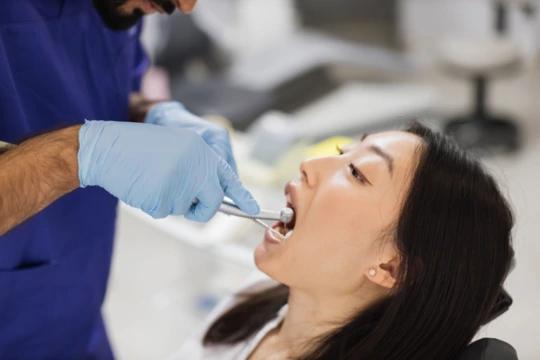
A dentist at clementi can examine the teeth and gums to look for plaque, tartar, decay and signs of periodontal disease. If the source is not obvious, the dentist may discuss other contributing factors or recommend further assessment where appropriate. This is more useful than repeatedly trying products that only mask the smell temporarily.
Why Mouthwash May Not Solve the Problem
Mouthwash can make your breath feel fresher for a while, but it does not necessarily address the reason the odour keeps returning. If plaque is accumulating between the teeth or around the gumline, a quick rinse cannot replace thorough brushing and interdental cleaning. Similarly, mouthwash cannot remove hardened tartar that requires professional cleaning.
Using more mouthwash is not always better, particularly if a product irritates your mouth or contributes to dryness. Some rinses are intended for specific clinical purposes and may not be suitable for long-term use without professional advice. If bad breath persists, ask your dentist which products, if any, are appropriate for your circumstances.
Five Signs You Should Arrange a Dental Assessment
1. Bad Breath Returns Soon After Brushing
If the smell repeatedly returns despite brushing and cleaning between your teeth, there may be an underlying cause that needs attention. A dental examination can help determine whether the issue is associated with gum inflammation, tooth decay, dry mouth or another condition.
2. Your Gums Bleed When You Brush
Repeated bleeding may indicate gingivitis, particularly when accompanied by swelling or redness. Do not assume that bleeding is harmless simply because it does not hurt. Use a soft-bristled toothbrush and gentle technique, and arrange an assessment if the symptom continues.
3. You Notice a Persistent Bad Taste
An unpleasant taste that remains after eating or brushing can sometimes be associated with gum disease, dental infection or other oral conditions. The taste alone cannot establish a diagnosis, so it is worth discussing with a dental professional if it persists.
4. Your Gums Look Different
Gums that appear swollen, receded or unusually tender may need professional attention. These changes can have different causes, and an examination helps establish whether periodontal treatment is appropriate.
5. You Have Pain, Pus or Loose Teeth
Painful swelling, pus around the gums or loose adult teeth should be assessed promptly. If you also experience rapidly increasing facial swelling, fever with worsening symptoms, or difficulty swallowing or breathing, seek urgent medical care. Difficulty breathing or swallowing requires emergency attention.
How a Dentist Can Help Identify the Cause
A dental assessment generally begins with questions about your symptoms, daily oral hygiene, medical history, smoking and medications. The dentist may examine your gums, inspect the teeth for decay, check for plaque and tartar, and assess whether periodontal measurements or dental X-rays are appropriate. The tests recommended will depend on the findings.
If gum disease is identified, treatment may involve professional scaling to remove plaque and tartar, together with advice on brushing and cleaning between teeth. Patients with periodontitis may require deeper cleaning and ongoing periodontal maintenance. If the problem appears to be related to dry mouth, tooth decay or another condition, the treatment plan will need to address that cause instead.
The goal is to understand why the odour is occurring rather than promise an instant fix. Results depend on the diagnosis, the severity of any underlying condition and how well the recommended care can be maintained over time.
Simple Daily Habits for Fresher Breath
Brush Your Teeth and Gumline Carefully
Brush twice daily with fluoride toothpaste and a soft-bristled toothbrush. Take time to clean along the gumline and the back teeth, where plaque can easily be missed. Brushing harder is not a substitute for brushing thoroughly.
Clean Between Teeth and Your Tongue
Floss or use suitable interdental brushes every day to remove food debris and plaque from between teeth. Gently cleaning the tongue can also help reduce odour-causing deposits. Ask your dental professional to demonstrate the technique if you are uncertain.
Stay Hydrated
A dry mouth can contribute to bad breath because saliva helps clear food particles and supports the mouth’s natural balance. Drink water regularly, especially in air-conditioned offices or after physical activity. If your mouth remains unusually dry, discuss it with your dentist or doctor, as medications and health conditions may be contributing.
Review Smoking and Dietary Habits
Smoking can contribute to unpleasant breath and increases the risk of gum disease. Strong-smelling foods may temporarily affect breath, but persistent odour should not automatically be blamed on diet. A dental assessment can help separate temporary causes from conditions that need treatment.
Finding a Dentist at Clementi for Persistent Bad Breath
Choosing a dental clinic should involve more than finding a product or treatment advertised as a quick fix. Look for an assessment that considers your symptoms, examines possible causes and explains the options available. A clear diagnosis helps you understand what needs to change and whether further treatment is necessary.
Ginza Dental Surgery is located at Blk 612 Clementi West Street 1, #01-302, Singapore 120612, behind West Coast Plaza. If you are looking for a dentist at clementi, contact the clinic to enquire about dental and gum assessments, available services and appointment arrangements. You can also ask about the applicable fees before booking.
Frequently Asked Questions About Bad Breath and Gum Disease
Can gum disease cause bad breath even without pain?
Yes. Gum disease may contribute to persistent bad breath even when there is little or no pain. Other symptoms, such as bleeding gums or swelling, may be present, but an examination is needed to determine the cause.
Will mouthwash permanently remove bad breath?
Mouthwash may temporarily freshen breath, but it will not necessarily treat the underlying cause. Persistent odour may require changes to oral hygiene, professional cleaning or treatment of another condition.
Can bad breath be caused by a dry mouth?
Yes. Reduced saliva can allow odour-causing substances to accumulate. Hydration may help, but persistent dry mouth should be assessed, especially if it may be related to medication or a medical condition.
Does everyone with bad breath need gum treatment?
No. Bad breath can have many causes, including tongue deposits, tooth decay, dry mouth and dietary factors. Treatment should be based on an appropriate assessment rather than the symptom alone.
Where can I seek advice about gum problems in Clementi?
You can contact Ginza Dental Surgery at +65 6774 4901 to enquire about an assessment and suitable dental care options.
Address the Cause of Bad Breath Instead of Masking It
Fresh breath starts with understanding your oral health, not simply choosing a stronger mint or mouthwash. If you are searching for a dentist at clementi because bad breath keeps returning or you have noticed changes in your gums, contact Ginza Dental Surgery to discuss an assessment. Visit the clinic’s gum disease symptoms and treatment guide or call +65 6774 4901 to enquire about the next steps. Getting the right advice can help you move beyond temporary cover-ups and make informed choices for a healthier mouth.


