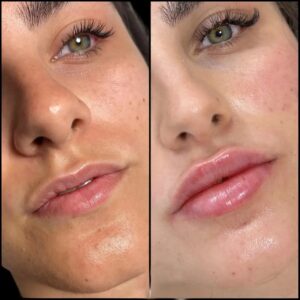
Rhinoplasty is often described as nose reshaping, but effective treatment planning involves much more than examining the nose by itself. Because the nose occupies the centre of the face, its size, shape, projection and position can influence the overall perception of facial balance. For this reason, a detailed facial assessment is an important part of planning Rhinoplasty dubai.
Before developing a surgical plan, Dr. Shahram Sajjadi can evaluate the nose in relation to surrounding facial features, including the forehead, eyes, cheeks, lips and chin. The assessment may also consider facial symmetry, skin characteristics, nasal proportions and the patient’s individual aesthetic goals.
Modern rhinoplasty planning is therefore personalised rather than based on one universal definition of an ideal nose. Research on nasal analysis emphasises the importance of evaluating the complete facial structure and understanding how nasal anatomy interacts with facial proportions.
Why Are Facial Features Considered During Rhinoplasty Planning?
The nose does not exist independently from the rest of the face. A change in nasal length, width or projection can alter how nearby features are perceived.
For example, a nose that appears prominent from the side may look different when the chin and lower face are assessed at the same time. Similarly, nasal width can be perceived differently depending on facial width and the position of the eyes.
The American Society of Plastic Surgeons describes rhinoplasty as a procedure that can improve facial harmony and nasal proportions, while also addressing characteristics such as nasal width, bridge shape, tip appearance and asymmetry.This broader perspective helps the surgeon determine whether the patient’s concern is related to one specific nasal feature or to the overall relationship between the nose and face.
How Is the Overall Face Analysed?
A facial assessment generally begins before focusing on individual nasal structures. The surgeon may examine the face from the front, side and angled views to understand its overall proportions.
The assessment can include facial height, facial width, symmetry and the relationship between the upper, middle and lower portions of the face.
Traditional facial proportions can provide useful reference points, but they are not intended to make every patient’s face conform to exactly the same measurements. Contemporary research supports using established proportions flexibly while considering individual anatomy, age, gender, ethnicity and personal aesthetic goals.
This means that facial analysis is not simply about measuring features. It is about understanding how those features work together.
How Does the Forehead and Brow Area Relate to the Nose?
The upper part of the face provides an important visual transition into the nasal bridge. The position of the eyebrows, forehead and area between the eyes can influence how the nasal root and upper bridge are perceived.
During assessment, the surgeon may examine the nasofrontal relationship, including the position of the nasal root and the transition between the forehead and nose.
A nasal bridge that appears high or prominent may be perceived differently depending on the surrounding facial structure. Likewise, the apparent position of the nasal root can influence the visual length and profile of the nose.
Therefore, the bridge is considered as part of the broader facial profile rather than as an isolated feature.
How Are the Eyes Considered?
The eyes and the area between them provide important reference points when assessing nasal width and symmetry.
From the front, the surgeon can evaluate the relationship between the nasal bridge and the inner corners of the eyes. The width of the nasal bones and middle third may be considered in relation to the overall facial width.
The surgeon may also assess whether the nose appears centred between the eyes and whether any existing facial asymmetry affects its visual position.
Systematic rhinoplasty analysis commonly includes facial proportions, symmetry, nasal width, dorsal aesthetic lines and the relationship between the nasal structures and surrounding facial landmarks.
This type of assessment can help distinguish between an actual nasal deviation and an appearance influenced by natural facial asymmetry.
How Does the Cheek Structure Influence Nasal Proportions?
The cheeks provide part of the facial framework surrounding the nose. Their width and projection can influence how prominent or narrow the nose appears.
When the surgeon evaluates the face from the front and oblique angles, the relationship between the nasal contours and cheek area can become more apparent.
Rather than asking only whether the nose itself is wide, the assessment considers whether its width appears proportionate to the rest of the face.
This is particularly useful when discussing aesthetic goals. A patient may describe wanting a narrower nose, while the surgeon may determine that the desired sense of facial balance could involve addressing specific nasal structures rather than simply reducing overall width.
Why Is the Chin Important in Rhinoplasty Planning?
The chin is particularly important when assessing the nose from the side.
A relatively small or retruded chin can make the nose appear more prominent, while a more projecting chin can change the apparent relationship between the nose and lower face. Rhinoplasty literature specifically recommends assessing chin projection when evaluating nasal profile and tip projection.
This does not mean that a chin procedure is automatically required. Instead, the relationship is considered so that the surgeon can understand the patient’s overall facial profile.
The goal is to determine how the nose fits within the complete facial structure rather than evaluating the nose in isolation.
How Are the Lips Considered?
The lips contribute to the appearance of the lower facial profile and can influence the visual relationship between the nose and chin.
During profile assessment, the surgeon may consider the position of the upper lip in relation to nasal projection and the angle between the nose and upper lip.
Changes to nasal projection or rotation can alter the way this relationship is perceived. For this reason, the lips may be included in the overall profile assessment even though they are not directly treated during rhinoplasty.
A systematic facial analysis can therefore provide a clearer understanding of whether a patient’s desired nasal change is consistent with the proportions of the lower face.
How Does Facial Symmetry Affect Rhinoplasty Planning?
Facial symmetry is another important consideration. Most faces have some degree of natural asymmetry, and subtle differences between the left and right sides are common.
The nose may appear slightly deviated because of its own structure, facial asymmetry, or a combination of both. Research involving rhinoplasty patients has found that facial asymmetries are common and should be considered during preoperative assessment and patient counselling.
During consultation, Dr. Shahram Sajjadi can assess the face and nose from multiple directions to identify these differences.
Recognising existing asymmetry helps establish realistic and individualised treatment goals. The objective is generally to create better overall balance rather than attempting to make every facial measurement mathematically identical.
Why Are Different Angles Used During Assessment?
A single photograph or one viewing angle cannot provide a complete picture of nasal and facial proportions.
The frontal view can provide information about width, symmetry and the relationship between the nose and the eyes. The profile view can show nasal length, projection, dorsal contour and the relationship between the nose, lips and chin. Oblique views provide additional information about three-dimensional shape.
A basal view can also help assess the nasal tip, nostril shape, columella and nasal base.
Evidence-based approaches to rhinoplasty analysis recommend systematic assessment from frontal, lateral and basal views to establish appropriate individual treatment goals.Using several views can therefore help the surgeon understand how a particular nasal feature appears within the complete facial structure.
How Does Skin Type Affect Facial and Nasal Assessment?
The skin covering the nose can influence how the underlying nasal framework is seen.
Skin thickness and quality vary between individuals. The soft-tissue envelope can influence the visibility of structural contours and the way changes to the underlying framework are expressed.
For this reason, nasal analysis commonly includes an assessment of skin type and quality alongside bone, cartilage and facial proportions.
This information can contribute to determining which aesthetic goals are appropriate for the individual patient.
Rather than focusing exclusively on a desired shape, the surgeon considers how the patient’s existing soft tissue and underlying anatomy interact.
How Are Individual Facial Characteristics Included in Treatment Planning?
Facial analysis should not be reduced to a fixed set of measurements. People have different facial structures, backgrounds and aesthetic preferences.
Recent research emphasises that traditional facial relationships remain useful reference points, but they should be applied flexibly according to each patient’s unique features and goals.
During a consultation, factors that may be considered include:
- Overall facial proportions
- Nasal width and length
- Nasal projection
- Nasal tip position
- Bridge and nasal root
- Chin projection
- Upper-lip position
- Facial symmetry
- Skin characteristics
- Existing nasal deviation
- Previous nasal procedures
- Individual aesthetic preferences
The purpose of considering these factors is not to create a standardised appearance. Instead, they help establish a treatment plan that is compatible with the patient’s own facial structure.
How Are Patient Goals Combined With Facial Analysis?
A successful consultation involves both clinical assessment and communication.
Patients may have a particular concern, such as a dorsal hump, broad nasal appearance, nasal tip shape or profile. The surgeon needs to understand what the patient sees as the main concern and what type of change they hope to achieve.
At the same time, the surgeon evaluates whether that desired change fits with the patient’s anatomy and facial proportions.
This combination of patient preferences and anatomical analysis is important because rhinoplasty is highly individualised. A systematic preoperative assessment can help establish clear aesthetic and structural goals before treatment.
How Can Facial Analysis Help With Profile Planning?
The profile provides valuable information about the relationship between several facial structures.
During profile assessment, the surgeon may consider:
- Nasal length
- Dorsal contour
- Nasal root position
- Tip projection
- Tip rotation
- Upper-lip position
- Chin projection
- Overall facial convexity
These features interact visually. A change in one area can affect how another feature is perceived.
For example, the relationship between nasal projection and chin projection can be particularly important when considering the profile. A systematic approach helps the surgeon understand these relationships before deciding which nasal changes may be appropriate.
How Is Natural Facial Balance Maintained?
The objective of personalised rhinoplasty planning is generally not to create an identical nose across different patients. Instead, the treatment plan is developed around the patient’s existing anatomy and facial characteristics.
This approach allows the surgeon to consider the nose as one component of a larger facial structure.
The concept of facial harmony is also reflected in the broader description of rhinoplasty as a procedure intended to improve nasal proportions in relation to the face.For Dr. Shahram Sajjadi, detailed facial analysis can therefore serve as an important foundation for discussing the appropriate direction of treatment with each patient.
What Happens During the Rhinoplasty Consultation?
A consultation typically provides an opportunity to discuss the patient’s concerns, desired changes and relevant medical or surgical history.
The surgeon can examine the nose and face from different angles, assess the nasal framework and consider the relationship between the nose and surrounding facial structures.
The discussion may also cover previous nasal treatment, breathing concerns and the patient’s expectations.
Photographs or imaging may be used as communication tools during planning. However, these should support clinical assessment rather than replace it. Research on rhinoplasty planning continues to emphasise that professional clinical judgement and careful anatomical evaluation remain important even as imaging and computer analysis become more sophisticated.
Why Is Personalised Planning Important for Rhinoplasty Dubai?
Every patient’s face has a different combination of proportions, symmetry, nasal anatomy and soft-tissue characteristics. Therefore, a treatment plan that suits one person may not be appropriate for another.
Rhinoplasty dubai planning can involve examining the nose in relation to the complete face, including the eyes, cheeks, lips, chin and facial profile.
This approach can help define realistic and individualised objectives while keeping the patient’s natural facial characteristics in consideration.
For patients consulting with Dr. Shahram Sajjadi, the assessment can provide an opportunity to discuss how their nasal features relate to their overall facial balance and what changes may be appropriate for their individual anatomy.
Conclusion
Facial features play an important role in rhinoplasty treatment planning because the nose is central to the overall appearance of the face. Its size, projection, width, length and shape can influence the way other facial features are perceived.
A comprehensive assessment can therefore include the forehead, eyes, cheeks, lips and chin, alongside the nasal bones, cartilage, tip, septum, skin and soft-tissue envelope. Facial symmetry and the differences between frontal, profile, oblique and basal views can also provide valuable information.
Rather than applying one fixed definition of an ideal nose, personalised planning considers the patient’s existing anatomy, facial proportions and individual goals. For anyone considering Rhinoplasty Cost in dubai or treatment with Dr. Shahram Sajjadi, a detailed consultation is an important opportunity to understand how facial characteristics may influence the proposed treatment plan.
Frequently Asked Questions
Why are facial features assessed before rhinoplasty?
Facial features are assessed because the nose forms part of the overall facial structure. Examining the surrounding features helps the surgeon understand nasal proportions, profile relationships and overall facial balance.
Does the chin affect rhinoplasty planning?
Yes. Chin projection can influence how the nose appears in profile. A careful assessment of the nose and chin together can provide a more complete understanding of the patient’s facial proportions.
Why are the eyes considered during rhinoplasty assessment?
The eyes and the area between them provide useful reference points for assessing nasal width, symmetry and the position of the nasal bridge.
Does facial asymmetry affect rhinoplasty planning?
It can. Natural facial asymmetry is common, and recognising it before treatment can help establish realistic goals and explain how the nose relates to the rest of the face.
Are the lips considered during rhinoplasty planning?
Yes. The position of the upper lip can be considered when assessing the relationship between the nose, upper lip and chin, particularly when evaluating the facial profile.
Why does the surgeon examine the nose from different angles?
Different views reveal different characteristics. Front, profile, oblique and basal views can provide information about nasal width, projection, symmetry, tip shape and the relationship between the nose and surrounding facial structures.
Is there one ideal nose for every patient?
No. General aesthetic principles can provide useful reference points, but rhinoplasty planning should account for individual facial proportions, anatomy, personal preferences and other characteristics.
How does skin thickness affect rhinoplasty planning?
Skin thickness and quality influence how the underlying nasal framework may appear externally. They are therefore considered as part of a comprehensive nasal assessment.
How does facial analysis help determine rhinoplasty goals?
Facial analysis helps identify how the nose relates to the rest of the face. This information can help the surgeon and patient discuss which features are most relevant and establish personalised treatment objectives.
What should I discuss with Dr. Shahram Sajjadi during a rhinoplasty consultation?
You can discuss the nasal features you would like to change, your preferred aesthetic direction, concerns about your profile or front view, previous nasal procedures and any functional concerns. The consultation can then combine these goals with an assessment of your individual facial and nasal anatomy.