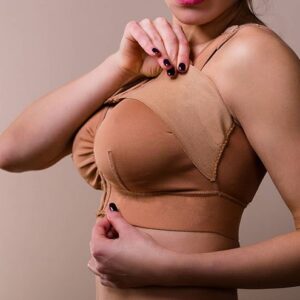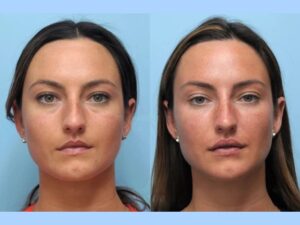
Breast augmentation is a personalized surgical procedure designed to increase breast volume and improve breast shape and proportion. For women considering Breast augmentation dubai, understanding the available implant choices and placement options is an important part of the consultation process.
Breast implants are available in different materials, sizes, shapes, profiles, and surface types. They can also be positioned in different locations relative to the breast tissue and chest muscle. The appropriate combination depends on factors such as existing breast tissue, chest dimensions, body proportions, lifestyle, and the patient’s desired appearance.
With reference to Dr. Matteo Vigo, personalized planning can help patients explore these choices according to their individual anatomy and aesthetic goals rather than selecting an implant based on size alone.
What Is Breast Augmentation?
Breast augmentation, also known as augmentation mammoplasty, is performed to increase breast volume or enhance breast contour. Implant-based augmentation involves placing a breast implant beneath the breast tissue or in relation to the chest muscle.
Women may consider augmentation to enhance naturally smaller breasts, restore volume following pregnancy or weight changes, or create greater balance between the breasts and the rest of the body.
The procedure is highly individualized. A particular implant that looks appropriate on one person’s body may create a very different appearance on another person’s body because breast width, chest structure, natural tissue coverage, and skin characteristics vary.
For this reason, Breast augmentation dubai should begin with an assessment of the patient’s anatomy and expectations.
Why Implant Selection Requires Personalized Planning
Choosing a breast implant involves much more than deciding how many cubic centimeters of volume are desired.
The surgeon may evaluate:
- Breast width
- Chest-wall dimensions
- Existing breast volume
- Natural tissue coverage
- Skin elasticity
- Breast shape
- Nipple and areola position
- Existing asymmetry
- Desired projection
- Preferred overall appearance
- Lifestyle and physical activities
The FDA explains that surgeons discuss implant shape, size, surface texture, placement, and incision location according to each patient’s individual circumstances.
This individualized approach can help patients understand why implant selection is not simply about choosing the largest or smallest available option.
Understanding Saline and Silicone Implants
Two major categories of breast implants are saline-filled and silicone gel-filled implants. Both have a silicone outer shell, while the internal filling material differs.
Saline implants contain sterile saltwater solution, while silicone implants contain silicone gel. Both types are available in different sizes and designs, depending on the manufacturer and approved product range.
The choice between saline and silicone depends on factors such as the patient’s anatomy, desired feel and appearance, implant availability, and the surgeon’s assessment.
During a consultation with Dr. Matteo Vigo, patients can discuss the characteristics of different implant types and how they may relate to their personal goals.
Silicone Gel Implants
Silicone gel implants contain a silicone shell filled with silicone gel. They are available in different sizes and designs.
For many patients, silicone implants are considered when the desired result involves a particular combination of volume, contour, and feel. However, the appropriate implant depends on individual anatomy and the specific product selected.
The FDA notes that silicone gel-filled implants are approved for breast augmentation in women aged 22 and older in the United States, while age requirements and regulations can vary by jurisdiction.
Patients should discuss the specific implant model and its approved indications with their surgeon before treatment.
Saline Implants
Saline implants have a silicone outer shell filled with sterile saline solution. Some saline implants are filled during surgery, while others are pre-filled, depending on the product.
One feature of saline implants is that the filling is sterile saltwater. The FDA also notes that saline implants are approved for breast augmentation in women aged 18 and older in the United States.
Whether saline is appropriate depends on the patient’s anatomy, desired appearance, and the available implant options discussed during consultation.
Considering Implant Shape
Breast implants can have different shapes and contours. The selection can influence how breast volume is distributed and how the breast appears after augmentation.
Round implants can provide a different fullness pattern from anatomically shaped implants. However, shape should not be selected in isolation.
The surgeon may consider breast dimensions, existing tissue, desired projection, and the patient’s preferred appearance before recommending a particular implant shape.
For Breast augmentation dubai, understanding the relationship between implant shape and natural breast anatomy can make the consultation more informative.
Understanding Implant Profile
Implant profile refers broadly to the relationship between an implant’s base width and how far it projects forward.
Different profiles can allow surgeons to create different combinations of width and projection. A patient with a narrower chest may have different implant requirements from someone with a broader chest.
This is why implant volume alone does not determine the final appearance. Two implants with similar volumes can have different widths and projections.
During personalized planning, Dr. Matteo Vigo can discuss how implant dimensions and profile relate to the patient’s body proportions and desired outcome.
Why Implant Width Matters
Implant width is particularly important because the implant needs to fit appropriately within the patient’s existing breast footprint.
Choosing an implant that is too wide or too narrow for the patient’s anatomy can affect the overall breast contour. Professional plastic-surgery guidance emphasizes considering breast dimensions and body proportions when determining implant size.
For this reason, patients should not choose an implant simply because a particular volume produced a desirable result for another person.
The same implant can look significantly different on individuals with different chest widths and natural tissue.
Understanding Implant Placement
Breast implants can generally be positioned above the chest muscle, beneath the breast tissue, or partially beneath the pectoral muscle depending on the surgical approach.
The FDA describes subglandular placement as positioning the implant beneath breast tissue and above the chest muscle, while submuscular placement positions the implant beneath part or all of the chest muscle.
The appropriate placement depends on factors including body type, existing breast tissue, implant size, implant type, and the patient’s goals.
Therefore, there is no single placement that is appropriate for every patient.
Subglandular Implant Placement
Subglandular placement places the implant beneath the breast tissue but above the pectoral muscle.
This approach may be considered when the patient has sufficient natural tissue coverage and when the anatomy and desired result make this placement appropriate.
The amount of natural breast tissue is an important consideration because it contributes to how well the implant is covered.
During consultation, the surgeon can assess whether the patient’s existing tissue provides suitable coverage and whether subglandular placement aligns with the desired result.
Submuscular Implant Placement
Submuscular placement positions the implant beneath part or all of the chest muscle, depending on the specific surgical technique.
This approach can provide additional soft-tissue coverage over the implant in appropriate patients. The relationship between the implant and chest muscle can also influence the appearance and behavior of the breast during movement.
However, muscle anatomy varies between individuals, so the decision should be based on the patient’s specific characteristics rather than a universal preference.
Dual-Plane Placement
A dual-plane approach combines aspects of submuscular and subglandular positioning, with the implant partially covered by the pectoral muscle and partially positioned beneath breast tissue.
This technique may be considered in selected patients depending on breast anatomy, tissue characteristics, and the desired contour.
Whether dual-plane placement is appropriate depends on the surgeon’s assessment and the individual surgical plan.
How Natural Breast Tissue Influences Placement
The amount of natural breast tissue available to cover an implant can influence placement decisions.
Patients with more existing tissue may have different options from patients with very little natural breast volume. Skin thickness and tissue quality can also influence how the implant may appear and feel.
This is one reason why implant selection and placement should be considered together.
For women researching Breast augmentation dubai, an anatomical assessment can provide more useful information than selecting an implant based solely on its volume.
Considering Breast Symmetry
Many women naturally have some degree of breast asymmetry. Differences may involve breast volume, nipple position, breast width, chest-wall structure, or skin characteristics.
Personalized augmentation planning can take these differences into account.
In some cases, the surgeon may recommend different implant dimensions or other adjustments to improve overall balance. The objective is generally to create greater visual harmony rather than promising mathematically identical breasts.
Discussing existing asymmetry before surgery helps establish realistic expectations.
Choosing an Implant for Your Desired Appearance
Patients often use words such as “natural,” “full,” “subtle,” or “defined” when describing their preferred outcome.
These terms can mean different things to different people. A natural appearance may involve a softer upper-breast transition, while another patient may prefer more noticeable upper-pole fullness.
The surgeon can translate these preferences into practical considerations such as implant profile, volume, shape, width, and placement.
Dr. Matteo Vigo can use the consultation to understand the patient’s preferred appearance and explain how different implant choices may affect the result.
Breast Augmentation Dubai and Body Proportion
For women considering Breast augmentation dubai, body proportion is an important part of treatment planning.
The breasts should be considered in relation to the shoulders, chest, waist, and hips. An implant that is appropriate for one body frame may not produce the same balance on another.
This is why professional guidance emphasizes evaluating implant size and proportion rather than relying on a universal implant volume.
A personalized approach allows the treatment to focus on the patient’s own proportions.
When a Breast Lift May Be Considered
Implants increase breast volume, but they do not necessarily address every concern related to breast position or excess skin.
Patients who have experienced significant changes following pregnancy, breastfeeding, aging, or weight fluctuations may have breast tissue that sits lower on the chest.
In selected cases, the surgeon may discuss whether a breast lift should be performed alongside augmentation. The appropriate approach depends on the patient’s anatomy and desired outcome.
This discussion is particularly useful when the patient wants both increased volume and a change in breast position.
Understanding Incision Location
Implant placement and incision location are separate but related decisions.
Depending on the surgical plan, an incision may be placed in the breast crease, around the areola, or in another appropriate location. The choice can depend on implant characteristics, anatomy, surgeon preference, and the patient’s treatment goals.
The FDA notes that incision location and size are among the decisions that should be discussed between the patient and surgeon before breast implant surgery.
A personalized consultation can explain which incision approach may be appropriate for the specific procedure.
What Determines Breast Augmentation Cost in Dubai?
The breast augmentation cost in dubai can vary because each patient’s treatment plan can involve different implant specifications, surgical techniques, and clinical requirements.
Factors that may influence the overall cost include:
- Implant type
- Implant size and specifications
- Surgical technique
- Implant placement
- Operating facility
- Anesthesia
- Pre-operative assessment
- Post-operative care
- Follow-up appointments
- Additional procedures when appropriate
Patients should ask for a clear explanation of what is included when discussing breast augmentation cost in dubai.
A consultation provides the opportunity to understand the recommended procedure and the factors contributing to the individual treatment estimate.
Why Implant Choice Can Affect Breast Augmentation Cost in Dubai
The selected implant can be one component of the overall breast augmentation cost in dubai.
Different implant products can vary in design, dimensions, materials, and specifications. Surgical complexity can also differ depending on the patient’s anatomy and whether additional procedures are required.
For this reason, a general online price may not represent the actual cost of an individualized treatment plan.
Dr. Matteo Vigo can discuss the proposed implant options and explain how the selected treatment approach relates to the overall cost during consultation.
Preparing for Your Implant Consultation
Before consultation, patients can prepare by thinking about the appearance they would like to achieve and the reasons they are considering augmentation.
Useful topics to discuss include:
- Preferred breast size
- Desired level of fullness
- Implant material
- Implant shape
- Implant profile
- Implant placement
- Existing asymmetry
- Incision location
- Recovery expectations
- Future pregnancy plans
- Long-term implant considerations
- Total treatment cost
The FDA recommends discussing medical history, previous breast surgery, medications, implant characteristics, placement, and expected outcomes with the surgeon before proceeding.
Planning Around Your Lifestyle
Lifestyle can also influence implant selection and placement.
Women who participate in regular strength training or activities involving substantial chest-muscle movement may have different considerations from women with less physically demanding routines.
Clothing preferences, professional activities, exercise, and future plans can all be discussed during consultation.
These factors do not automatically determine the surgical technique, but they provide useful context for developing an individualized plan.
Understanding Recovery After Augmentation
Recovery varies depending on implant placement, surgical technique, individual healing, and whether another procedure is performed at the same time.
Patients may experience temporary swelling, tightness, tenderness, and changes in breast sensation during the early healing period.
The surgical team will provide specific instructions about activity, medication, support garments, wound care, and follow-up.
Patients should follow their own surgeon’s instructions rather than comparing their recovery timeline with someone else’s experience.
Long-Term Considerations for Breast Implants
Breast implants are medical devices and are not considered lifetime devices. The FDA explains that the longer implants remain in place, the greater the possibility that complications or additional surgery may occur.
Patients should therefore consider breast augmentation as a long-term decision and understand that future monitoring or additional procedures may be necessary.
The FDA also requires patient information and decision materials for approved implants so that patients can review device-specific information before surgery.
These considerations can be discussed in detail with the treating surgeon before choosing an implant.
How Dr. Matteo Vigo Can Personalize Implant Planning
With reference to Dr. Matteo Vigo, personalized consultation can bring together the different elements involved in breast augmentation planning.
Rather than focusing on implant volume alone, the discussion can include:
- Existing breast anatomy
- Body proportions
- Desired breast size
- Implant material
- Shape and profile
- Implant dimensions
- Placement
- Breast symmetry
- Lifestyle
- Recovery expectations
- Long-term considerations
This structured approach can help patients understand why a particular implant and placement may be suggested for their individual anatomy.
Making an Informed Implant Decision
There are several decisions involved in breast augmentation, and they should be considered together rather than independently.
Implant material affects the characteristics of the device. Shape and profile influence how volume is distributed. Size determines the amount of added volume, while placement influences how the implant relates to existing breast tissue and the chest muscle.
The FDA specifically advises patients to discuss implant type, size, shape, surface, and placement with their surgeon based on their particular circumstances.
Understanding these factors can make the consultation more productive and help patients develop realistic expectations.
Breast Augmentation Dubai: Bringing Implant Choices Together
For women considering Breast augmentation dubai, understanding implant choices and placement is an important step toward personalized treatment planning.
Saline and silicone implants offer different filling materials, while variations in size, shape, profile, and surface provide additional options. Placement above or beneath the chest muscle, or through a dual-plane approach, may be considered according to anatomy and treatment goals.
There is no universal implant specification that suits every patient. The appropriate choice depends on breast dimensions, natural tissue, chest structure, lifestyle, and the desired appearance.
Dr. Matteo Vigo can discuss these factors during an individualized consultation and help patients understand how each choice relates to their personal goals.
Breast Augmentation Cost in Dubai and Personalized Planning
Understanding breast augmentation cost in dubai is another important part of preparing for treatment.
The overall cost can depend on the implant selected, surgical approach, placement, facility, anesthesia, and follow-up care. Additional procedures, such as a breast lift when appropriate, may also affect the treatment plan and associated expenses.
For this reason, patients should consider the complete treatment plan rather than focusing only on the implant price.
Discussing breast augmentation cost in dubai with Dr. Matteo Vigo during consultation can provide a clearer understanding of the planned procedure and the factors that contribute to the individual estimate.
Conclusion: Choosing an Approach That Fits Your Anatomy
Breast augmentation is a highly individualized procedure in which implant choice and placement play an important role in the final breast contour.
For patients considering Breast augmentation dubai, understanding the differences between saline and silicone implants, implant shapes, profiles, dimensions, and placement options can make the consultation process clearer.
The goal of personalized planning is to select an approach that works with the patient’s existing anatomy and desired appearance rather than relying on a standard implant size or placement.
Dr. Matteo Vigo can evaluate individual proportions, discuss available options, and develop a treatment plan around the patient’s goals. By considering implant characteristics, placement, recovery, long-term considerations, and breast augmentation cost in dubai together, patients can approach their treatment journey with a clearer understanding of the choices involved.