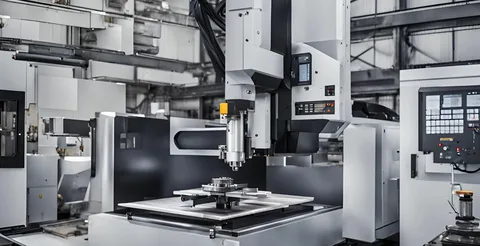
A well-optimized CNC machining platform workflow is essential for improving production efficiency, reducing operational costs, and maintaining consistent product quality. In modern manufacturing environments, where precision and speed are critical, even small inefficiencies can lead to significant losses. By applying structured best practices, manufacturers can ensure smoother operations and better resource utilization.
This article explores key strategies to optimize a CNC machining workflow, focusing on integration, maintenance, automation, and data-driven decision-making. Each section highlights practical methods that can be implemented to improve overall performance.
Understanding CNC Machining Platform Workflow Optimization
A CNC machining platform relies on a sequence of interconnected processes, including design, programming, machining, and quality control. Workflow optimization begins with understanding how each stage affects the next. When one step is inefficient, it creates delays and errors downstream, affecting production output.
Improving workflow efficiency requires analyzing bottlenecks and identifying areas where time or material waste occurs. This helps manufacturers streamline processes and ensure smoother transitions between design and production stages.
Key practices for workflow optimization:
- Map the entire production workflow from design to final output
- Identify bottlenecks in machining and programming stages
- Reduce unnecessary manual interventions
- Improve communication between design and manufacturing teams
- Standardize documentation for repeatable processes
Standardizing CAD/CAM Integration Processes
Efficient integration between CAD (Computer-Aided Design) and CAM (Computer-Aided Manufacturing) systems is critical for a high-performing CNC machining platform. Poor integration often leads to errors in toolpaths, incorrect dimensions, and production delays.
By standardizing file formats, communication protocols, and design rules, manufacturers can significantly reduce rework and improve accuracy. A unified CAD/CAM workflow ensures that design intent is accurately translated into machine instructions.
Best practices for CAD/CAM standardization:
- Use consistent file formats across all design systems
- Establish standardized design rules for engineers
- Automate conversion of CAD models into CAM toolpaths
- Maintain version control for all design files
- Ensure compatibility between software and CNC machines
Machine Maintenance and Calibration Efficiency
Regular maintenance is essential for keeping a CNC machining platform operating at peak performance. Machines that are not properly maintained can suffer from wear and tear, leading to reduced precision, increased downtime, and higher production costs.
Calibration ensures that machines operate within specified tolerances. Without proper calibration, even the most advanced CNC systems can produce defective parts. Preventive maintenance schedules help avoid unexpected breakdowns and extend machine lifespan.
Effective maintenance strategies include:
- Implement scheduled preventive maintenance routines
- Regularly calibrate machine axes and tools
- Monitor spindle performance and vibration levels
- Replace worn-out components proactively
- Keep detailed maintenance logs for tracking performance
Toolpath Optimization and Automation Techniques
Toolpath optimization is a key factor in improving efficiency within a CNC machining platform workflow. Well-designed toolpaths reduce machining time, minimize tool wear, and improve surface finish quality.
Automation plays a major role in enhancing consistency and reducing human error. Modern CNC systems allow automated toolpath generation, adaptive cutting strategies, and real-time adjustments that improve productivity significantly.
Strategies for toolpath optimization and automation:
- Use advanced CAM software for efficient toolpath generation
- Reduce unnecessary tool movements and idle time
- Apply adaptive cutting techniques for complex geometries
- Automate repetitive machining tasks where possible
- Optimize feed rates and spindle speeds for material type
Data Monitoring and Production Efficiency Improvement
Data-driven decision-making is becoming increasingly important in CNC machining environments. A modern CNC machining platform can collect real-time data on machine performance, production speed, and error rates, helping operators make informed decisions.
By analyzing this data, manufacturers can identify inefficiencies, predict maintenance needs, and optimize production schedules. This leads to improved productivity and reduced operational costs over time.
Key practices for data monitoring:
- Implement real-time machine monitoring systems
- Track production output and cycle times
- Analyze error rates and scrap material levels
- Use predictive analytics for maintenance planning
- Integrate IoT solutions for smart manufacturing insights
Conclusion
Optimizing a CNC machining platform workflow requires a combination of structured processes, technological integration, and continuous monitoring. From standardizing CAD/CAM workflows to implementing predictive maintenance and automation, each improvement contributes to higher efficiency and better output quality.
Manufacturers who adopt these best practices can significantly reduce downtime, improve precision, and enhance overall productivity. In an increasingly competitive manufacturing landscape, workflow optimization is not just an advantage—it is a necessity for long-term success.