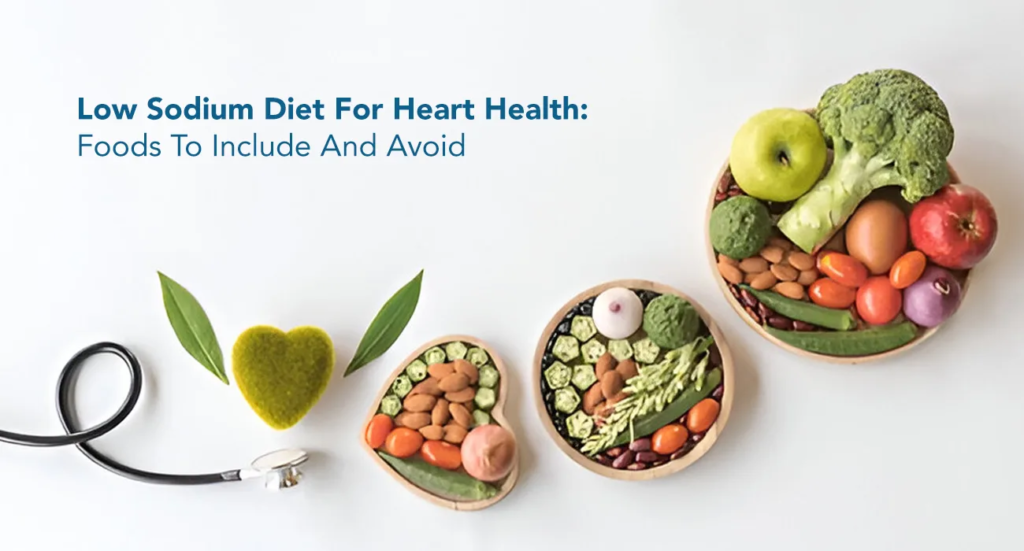
Low-Sodium-Diet-For-Heart
Introduction
High blood pressure — medically known as hypertension — has quietly become one of the most prevalent and serious health concerns facing residents of Dubai and the wider UAE. With a fast-paced lifestyle, a cuisine culture that frequently embraces rich, heavily seasoned dishes, and high levels of occupational stress, it is perhaps unsurprising that hypertension rates in the region continue to rise at an alarming pace.
What makes hypertension particularly dangerous is its nature as a “silent killer.” The vast majority of people living with high blood pressure experience no obvious symptoms — no pain, no dramatic warning signs — until the condition has already caused significant damage to the heart, kidneys, blood vessels, or brain. Stroke, heart attack, kidney failure, and vision loss are all potential consequences of uncontrolled hypertension — making early diagnosis, consistent monitoring, and proactive lifestyle management absolutely essential.
Among the most powerful and evidence-based tools for managing hypertension in Dubai is dietary modification — specifically, the reduction of sodium intake. Sodium, found predominantly in salt and processed foods, causes the body to retain water, which increases blood volume and consequently raises blood pressure. For individuals with hypertension, reducing sodium consumption can produce meaningful reductions in blood pressure readings — sometimes comparable to the effect of medication.
The encouraging news for residents of Dubai is that the city’s remarkably diverse food landscape offers a wide and genuinely delicious array of low-sodium options — from fresh local produce to international health food stores and specialty supermarkets stocking heart-healthy alternatives from around the world.
This comprehensive guide explores the best low-sodium foods readily available in Dubai for blood pressure control — and explains why working with an expert hypertension doctor in Dubai like Dr. Barbara Karin Vela is the most effective way to build a truly personalized, medically sound approach to managing your blood pressure for the long term.
Understanding Sodium and Blood Pressure: The Science
Before diving into specific food recommendations, it is worth understanding precisely why sodium has such a significant impact on blood pressure.
When sodium is consumed, the kidneys — which regulate fluid balance in the body — respond by retaining more water to dilute the sodium concentration in the bloodstream. This increased fluid volume expands the total volume of blood circulating through the cardiovascular system, placing greater pressure on the walls of the blood vessels. Over time, chronically elevated blood pressure damages the delicate inner lining of arteries, accelerates atherosclerosis, strains the heart muscle, and significantly increases the risk of life-threatening cardiovascular events.
The World Health Organization recommends that adults consume no more than 2,000 milligrams of sodium per day — equivalent to approximately five grams of salt. However, research consistently shows that the average person consumes far more than this — often two to three times the recommended amount — largely through processed foods, restaurant meals, and condiments rather than through salt added at the table.
For individuals with hypertension in Dubai, adhering to a low-sodium dietary pattern — ideally below 1,500 milligrams per day as recommended for those with elevated blood pressure — can produce systolic blood pressure reductions of between five and ten millimeters of mercury. Over the course of a lifetime, this reduction translates into a substantially lower risk of stroke, heart attack, and kidney disease.
Fresh Fruits and Vegetables: Nature’s Best Blood Pressure Allies
Dubai’s supermarkets, local markets, and fresh produce suppliers offer an outstanding variety of fruits and vegetables — virtually all of which are naturally very low in sodium and rich in potassium, a mineral that actively counteracts the blood-pressure-raising effects of sodium by helping the kidneys excrete more sodium through urine.
Leafy Greens: Spinach, rocket, kale, Swiss chard, and fresh coriander are all widely available across Dubai’s supermarkets and farmers’ markets. These greens are exceptionally rich in potassium, magnesium, and nitrates — compounds that relax and dilate blood vessels, reducing the pressure within them. Fresh spinach, for instance, contains virtually no sodium and provides a meaningful dose of blood-pressure-lowering potassium per serving.
Bananas: One of the most potassium-rich fruits available and abundantly stocked in every supermarket across Dubai. A single medium banana provides approximately 422 milligrams of potassium — making it one of the simplest and most accessible heart-healthy snacks available in the city.
Berries: Strawberries, blueberries, and raspberries — available fresh and frozen year-round in Dubai — are rich in flavonoids, a class of plant compounds that research has associated with reduced blood pressure and improved arterial flexibility.
Avocados: Widely available across Dubai and enormously popular in the city’s café culture, avocados are an excellent source of potassium and heart-healthy monounsaturated fats. They contain virtually no sodium and actively support cardiovascular health.
Citrus Fruits: Oranges, grapefruits, and lemons are plentiful in Dubai and provide vitamin C, flavonoids, and potassium — all of which contribute to healthy blood pressure management. Fresh-squeezed citrus juices with no added salt or sugar are a genuinely heart-healthy beverage choice.
Tomatoes: Fresh tomatoes — available year-round in Dubai — are naturally low in sodium and rich in lycopene, potassium, and vitamin C. It is important to note, however, that canned tomatoes and tomato-based sauces often contain substantial added sodium and should be chosen carefully — always checking labels for low-sodium or no-added-salt versions.
Whole Grains: Heart-Healthy Staples Widely Available in Dubai
Whole grains are an essential component of a blood-pressure-friendly diet. Unlike refined grains — white bread, white rice, regular pasta — whole grains retain their fiber, vitamins, and minerals, supporting cardiovascular health and helping to manage weight — a critical factor in blood pressure control.
Oats: Readily available in every supermarket in Dubai, oats are one of the most powerful dietary tools for blood pressure management. Rich in beta-glucan fiber, oats have been shown in multiple clinical studies to produce meaningful reductions in both systolic and diastolic blood pressure. Plain, unsalted oatmeal prepared with water or low-fat milk is an ideal heart-healthy breakfast choice.
Brown Rice: Available across Dubai’s major supermarkets and health food stores, brown rice is a significantly more nutritious alternative to white rice — retaining its fiber, magnesium, and B vitamins. When prepared without added salt, it is an excellent low-sodium carbohydrate base for heart-healthy meals.
Quinoa: Increasingly popular in Dubai and now widely stocked in health-oriented supermarkets and organic stores, quinoa is a complete protein grain that is naturally low in sodium and rich in magnesium and potassium. It makes an excellent, versatile base for salads, grain bowls, and side dishes.
Whole Wheat Bread and Wraps: Available in most major supermarkets in Dubai, whole wheat varieties provide more fiber and nutrients than their refined counterparts — though it is always important to check sodium content on the label, as some commercially produced breads can be surprisingly high in salt.
Lean Proteins: Low-Sodium Options in Dubai
Protein is an essential macronutrient, but many commonly consumed protein sources — particularly processed meats, canned fish, and deli products — are loaded with sodium. Choosing the right protein sources is a critical aspect of a blood-pressure-friendly diet.
Fresh Fish and Seafood: Dubai’s coastal location means that fresh fish and seafood are abundantly available — and fresh, unprocessed fish is naturally low in sodium while being rich in omega-3 fatty acids, which have well-established cardiovascular benefits. Salmon, hammour, sea bass, and fresh tuna are all excellent choices. It is important to purchase fresh rather than smoked, canned, or marinated varieties, which typically contain high levels of added sodium.
Skinless Chicken and Turkey: Fresh, unprocessed poultry is naturally low in sodium and widely available across Dubai’s supermarkets and butchers. The key is to prepare it without heavy salt-based marinades or seasoning blends — instead using herbs, citrus, and spices to add flavor without sodium.
Eggs: A naturally low-sodium, nutritionally dense protein source available everywhere in Dubai. Prepared without added salt and served with fresh vegetables, eggs make an excellent heart-healthy meal option.
Legumes: Lentils, chickpeas, black beans, and kidney beans — available dried or canned across Dubai — are outstanding low-sodium protein sources when purchased in their dried form or as no-added-salt canned varieties. They are also rich in potassium, magnesium, and fiber — a triple benefit for blood pressure management.
Unsalted Nuts and Seeds: Almonds, walnuts, flaxseeds, and chia seeds — all widely available in Dubai’s health food stores and supermarkets — provide heart-healthy fats, magnesium, and potassium. Always choose unsalted varieties, as salted nuts can contribute significant sodium to the diet.
Dairy and Dairy Alternatives: Choosing Wisely in Dubai
Dairy products can be valuable sources of calcium and potassium — both important for blood pressure regulation — but they vary considerably in their sodium content.
Low-Fat Yogurt: Plain, unsweetened low-fat yogurt is widely available across Dubai and is an excellent heart-healthy option — providing calcium, potassium, and probiotics with modest sodium content. Avoid flavored or sweetened varieties, which may contain added salt and sugar.
Low-Fat Milk: A good source of calcium and potassium with relatively low sodium content. Available in full-fat, low-fat, and skimmed varieties across all major supermarkets in Dubai.
Plant-Based Milk Alternatives: Unsweetened almond milk, oat milk, and soy milk — all widely available in Dubai’s supermarkets and health food stores — are generally low in sodium and make excellent alternatives for those who prefer to reduce dairy intake. Always check labels for sodium content, as some commercial varieties contain added salt.
Cheese: Most cheeses are relatively high in sodium and should be consumed in moderation by those managing hypertension. Lower-sodium options such as fresh mozzarella, ricotta, and Swiss cheese are better choices — available in the specialty cheese sections of Dubai’s larger supermarkets.
Herbs, Spices, and Flavor Alternatives: Cooking Without Salt in Dubai
One of the most common concerns among people transitioning to a low-sodium diet is the fear that food will become bland and unenjoyable. Dubai’s extraordinary diversity of international supermarkets and spice markets makes this concern entirely unfounded — the city offers one of the richest arrays of herbs, spices, and natural flavor enhancers available anywhere in the world.
Fresh Herbs: Coriander, parsley, mint, basil, thyme, and rosemary are all abundantly available in Dubai’s supermarkets and traditional markets. Fresh herbs add extraordinary depth and complexity of flavor to dishes without a single milligram of sodium.
Spices: Cumin, turmeric, cinnamon, cardamom, black pepper, paprika, and sumac — all staples of Dubai’s diverse culinary culture — are naturally sodium-free and can transform simple dishes into richly flavored, deeply satisfying meals.
Garlic and Ginger: Both fresh and powdered, garlic and ginger are widely available across Dubai and offer the additional benefit of actively supporting cardiovascular health — with research suggesting that regular garlic consumption may produce modest reductions in blood pressure.
Lemon and Lime Juice: Fresh citrus juice is one of the most effective natural flavor enhancers available — adding brightness and acidity to dishes in a way that reduces the perceived need for salt. Fresh lemons and limes are inexpensive and ubiquitous across Dubai’s supermarkets and markets.
Low-Sodium Condiments: Many of Dubai’s international supermarkets stock low-sodium soy sauce, no-added-salt tomato paste, and reduced-sodium stock cubes — making it easier than ever to prepare flavorful, heart-healthy meals at home without relying on regular high-sodium condiments.
Where to Shop for Low-Sodium Foods in Dubai
Dubai’s retail landscape is exceptionally well-suited to those seeking heart-healthy, low-sodium food options. Key destinations include:
Spinneys and Waitrose: Both chains stock extensive ranges of international health food products, including clearly labeled low-sodium and no-added-salt options across multiple food categories.
Carrefour and Lulu Hypermarket: Offer wide selections of fresh produce, whole grains, and an increasingly comprehensive range of health-conscious packaged foods with nutritional labeling.
Organic Foods and Café and Ripe Market: Dubai’s growing organic food sector provides excellent access to fresh, minimally processed, naturally low-sodium produce and pantry staples.
Traditional Souks and Vegetable Markets: Deira’s vegetable and spice markets offer some of the freshest, most affordable produce in the city — ideal for those building a low-sodium diet around whole, unprocessed foods.
The Role of Professional Medical Guidance in Managing Hypertension
While dietary modification is one of the most powerful tools available for blood pressure management, it is important to emphasize that hypertension treatment in Dubai should always be approached under the supervision of a qualified hypertension doctor in Dubai.
Diet alone, however excellent, may not be sufficient to control blood pressure in all patients — particularly those with moderate to severe hypertension, underlying kidney disease, or significant cardiovascular risk factors. In these cases, medication may be necessary alongside lifestyle changes to achieve safe, target blood pressure levels.
Dr. Barbara Karin Vela is one of Dubai’s most respected and experienced physicians specializing in the diagnosis, management, and long-term treatment of hypertension. With a deeply patient-centered approach and a commitment to evidence-based medicine, Dr. Barbara Karin Vela provides comprehensive hypertension treatment in Dubai that addresses every dimension of the condition — from dietary and lifestyle counseling to medication management and cardiovascular risk reduction.
As a trusted hypertension doctor in Dubai, Dr. Barbara Karin Vela works collaboratively with each patient to develop a fully personalized management plan — one that integrates dietary strategies, physical activity recommendations, stress management guidance, and where necessary, pharmacological treatment — to achieve optimal blood pressure control and protect long-term cardiovascular health.
Patients managing hypertension in Dubai under the care of Dr. Barbara Karin Vela benefit from:
- Comprehensive blood pressure assessment and cardiovascular risk evaluation
- Personalized dietary and lifestyle counseling tailored to Dubai’s unique food environment
- Evidence-based medication management where clinically indicated
- Regular monitoring and follow-up to track progress and adjust treatment as needed
- Education and empowerment to understand and actively manage their condition
- A compassionate, thorough, and genuinely patient-first approach to care
Practical Tips for Reducing Sodium in Your Daily Diet in Dubai
Beyond choosing the right foods, the following practical strategies can help residents of Dubai meaningfully reduce their daily sodium intake:
Read Labels Carefully: When purchasing packaged foods, always check the sodium content per serving. Aim for products containing less than 120 milligrams of sodium per 100 grams — classified as low sodium.
Cook at Home More Often: Restaurant meals — particularly from fast food outlets and many traditional cuisine restaurants — tend to be significantly higher in sodium than home-cooked meals. Preparing food at home gives you complete control over sodium content.
Request Modifications When Dining Out: Dubai’s restaurant culture is generally accommodating of dietary requests. Ask for sauces and dressings on the side, request that dishes be prepared with less salt, and choose grilled or steamed options over fried or heavily seasoned dishes.
Rinse Canned Foods: When using canned legumes or vegetables, draining and thoroughly rinsing them under cold water can remove a significant portion of the added sodium — often reducing sodium content by up to 40 percent.
Transition Gradually: Reducing sodium intake does not need to be an overnight transformation. Gradually decreasing the amount of salt used in cooking allows the palate to adjust naturally over several weeks — making low-sodium food taste perfectly satisfying rather than bland.
Final Thoughts
Managing hypertension in Dubai through dietary choices is not only possible — it is genuinely achievable and deeply rewarding. Dubai’s extraordinary diversity of fresh produce, whole foods, international health products, and culinary traditions provides everything needed to build a delicious, satisfying, and genuinely heart-healthy low-sodium diet.
However, diet is just one piece of the puzzle. For comprehensive, medically sound, and truly effective hypertension treatment in Dubai, the guidance of a specialist physician is indispensable. Dr. Barbara Karin Vela — one of Dubai’s most trusted and experienced hypertension doctors in Dubai — offers the expertise, compassion, and personalized care needed to help every patient achieve and maintain healthy blood pressure for life.
Take control of your blood pressure today. Book a consultation with Dr. Barbara Karin Vela and take the first step toward a healthier heart, a healthier life, and a future free from the dangers of uncontrolled hypertension.