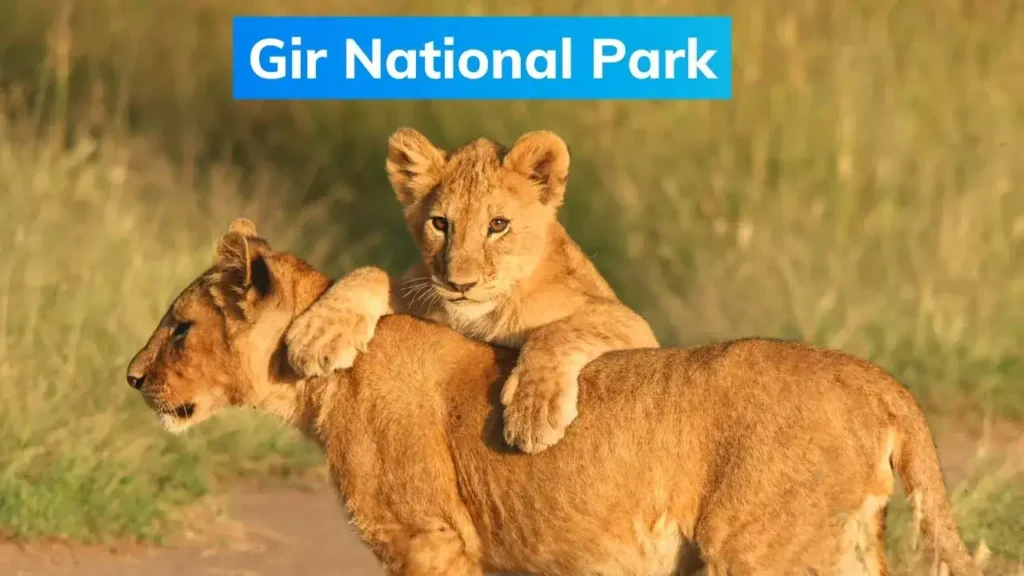
A wildlife safari in Gir National Park is not just an adventure; it is a pilgrimage into the last remaining natural habitat of the Asiatic lion. Nestled in Gujarat, this sanctuary is a living testament to India’s commitment to conservation, offering travelers a rare chance to witness the raw beauty of nature and the majestic roar of the king of Gir.
🌿 Introduction to Gir National Park
Gir National Park, also known as Sasan Gir, spans over 1,400 square kilometers of rugged terrain, dry deciduous forests, grasslands, and rocky hills. Established in 1965, it is the only place in the world where Asiatic lions roam freely. Beyond lions, Gir is home to leopards, striped hyenas, jackals, antelopes, and over 300 species of birds, making it a biodiversity hotspot.
The park is not just about wildlife—it embodies the cultural and ecological heritage of Gujarat. The Maldhari tribes, who live in harmony with nature, add a unique human dimension to the safari experience.
🦁 The Asiatic Lion Experience
The highlight of any wildlife safari in Gir National Park is undoubtedly the chance to see the Asiatic lion. Unlike their African cousins, Asiatic lions are slightly smaller, with a distinctive fold of skin along their belly. Watching them patrol their territory or laze under the shade of acacia trees is a sight that leaves visitors spellbound.
Safari guides often narrate fascinating stories of lion prides, their hunting strategies, and territorial battles, enriching the experience with knowledge and thrill.
🚙 Safari Adventures: What to Expect
A safari in Gir is conducted in open jeeps, accompanied by trained guides and trackers. The thrill begins at dawn, when the forest awakens with bird calls and the rustle of animals. Safaris are typically scheduled in two slots—early morning and late afternoon—when wildlife activity is at its peak.
- Morning Safari: Perfect for birdwatchers and those hoping to catch lions returning from nocturnal hunts.
- Afternoon Safari: Ideal for spotting leopards, antelopes, and hyenas as they emerge from the shade.
Each safari lasts about 3 hours, covering different zones of the park to maximize sightings.
🐾 Other Wildlife Encounters
While lions steal the spotlight, Gir’s ecosystem supports a wide range of species:
- Leopards: Known for their stealth, Gir has one of the highest leopard densities in India.
- Hyenas & Jackals: Scavengers that play a vital role in maintaining ecological balance.
- Chital & Nilgai: Graceful herbivores often seen grazing in herds.
- Birdlife: From the endangered Indian vulture to vibrant peacocks, Gir is a paradise for ornithologists.
🌍 Conservation Success Story
Gir’s conservation journey is remarkable. Once on the brink of extinction, the Asiatic lion population has steadily increased due to strict protection measures, community involvement, and eco-tourism initiatives. Today, the park is celebrated globally as a model of wildlife conservation.
The Maldhari tribes, who coexist with lions, are integral to this success. Their traditional lifestyle, cattle grazing practices, and respect for nature have helped sustain Gir’s delicate balance.
🏞️ Best Time to Visit
The park remains closed during the monsoon (June to mid-October). The best time to plan a safari is between November and March, when the weather is pleasant, and wildlife sightings are frequent.
🛶 Beyond the Safari: Nearby Attractions
A trip to Gir can be enriched by exploring nearby destinations:
- Girnar Hills: A sacred site with ancient temples and trekking trails.
- Somnath Temple: One of the twelve Jyotirlingas, blending spirituality with history.
- Junagadh: A heritage town with forts, stepwells, and museums.
🧭 Tips for Travelers
- Book safaris in advance through official portals.
- Carry binoculars and cameras for birdwatching and photography.
- Respect park rules—avoid littering, loud noises, or disturbing wildlife.
- Stay in eco-friendly lodges or resorts around Sasan Gir for an immersive experience.
✨ Conclusion
A wildlife safari in Gir National Park is more than a journey into the wilderness—it is an encounter with India’s conservation legacy, a celebration of biodiversity, and a reminder of the delicate bond between humans and nature. Whether you are a wildlife enthusiast, a photographer, or a seeker of soulful experiences, Gir promises memories that linger long after the safari ends.